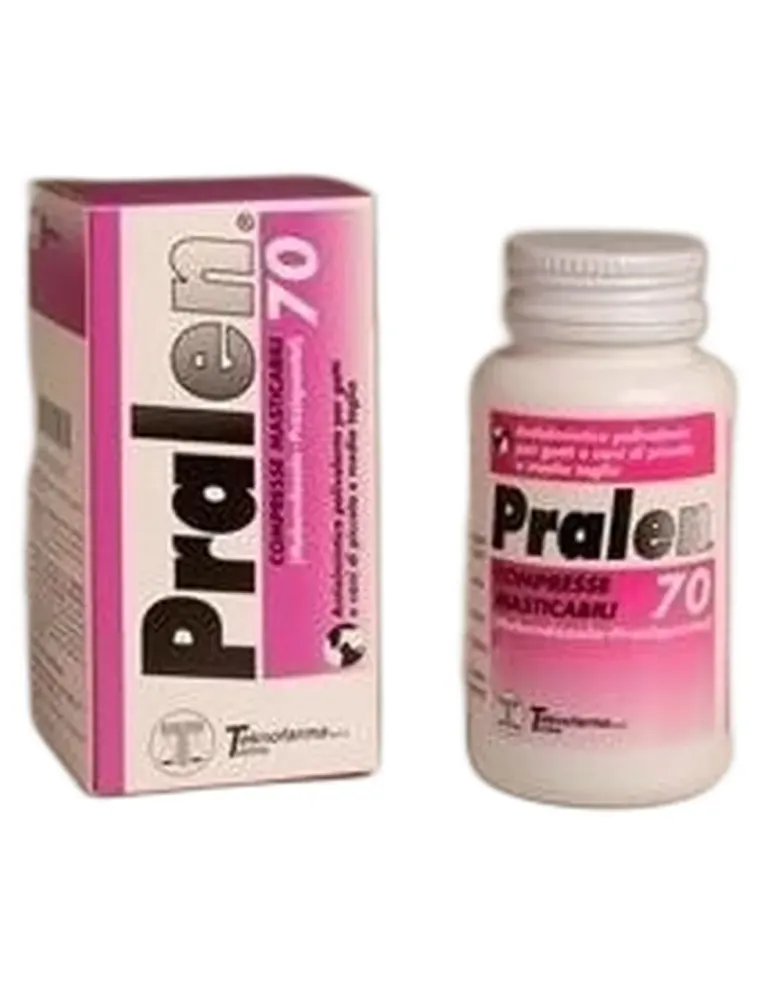
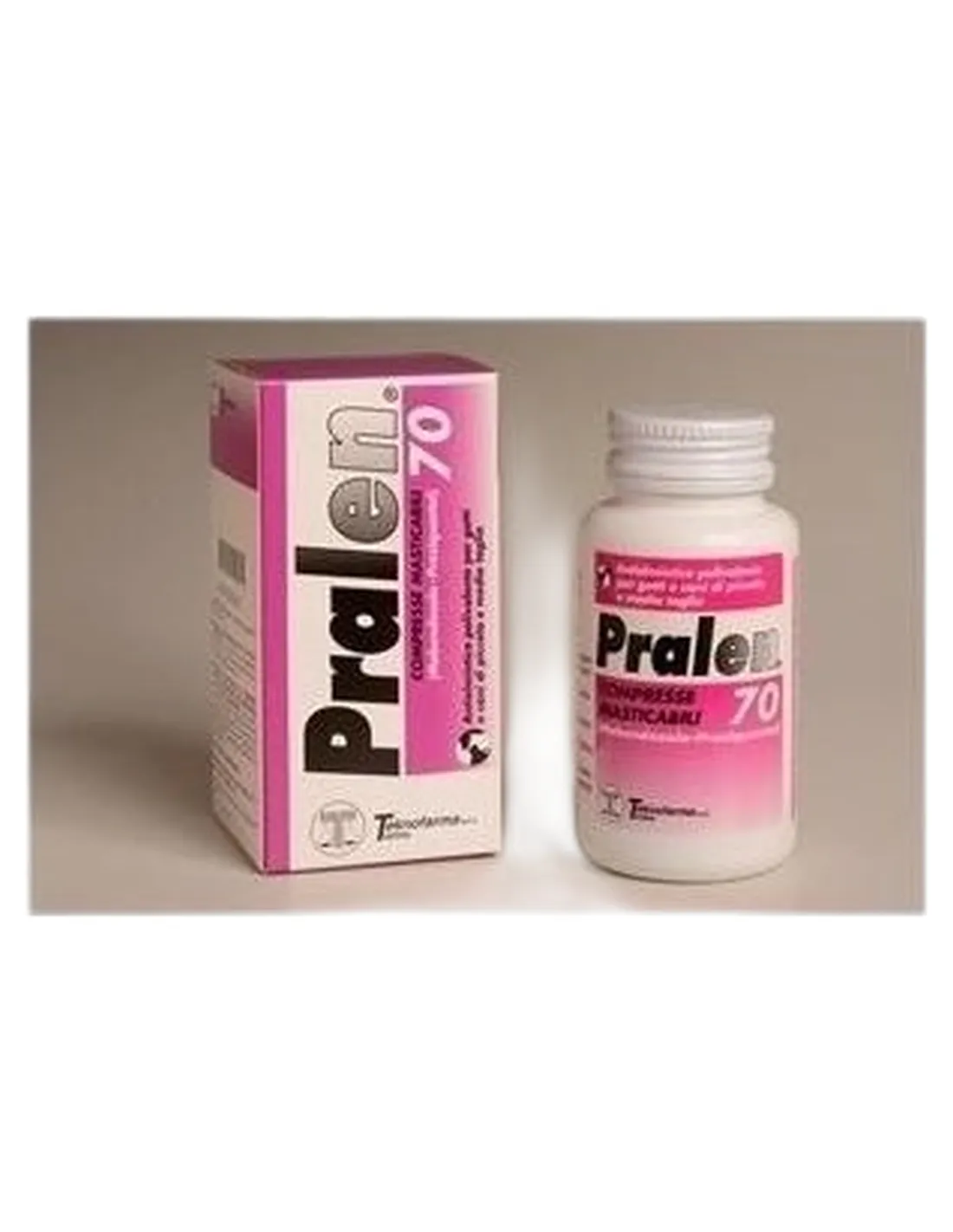
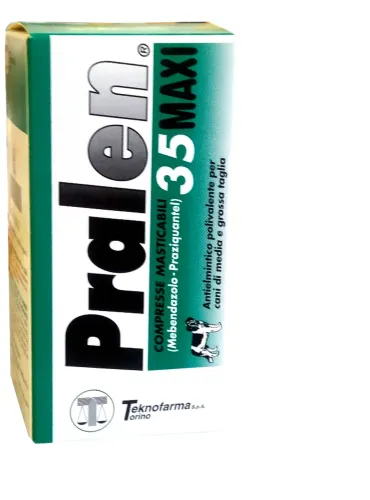
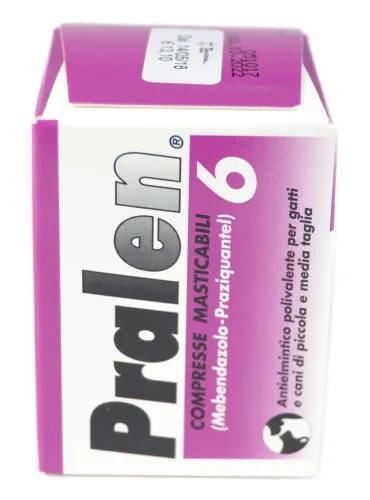
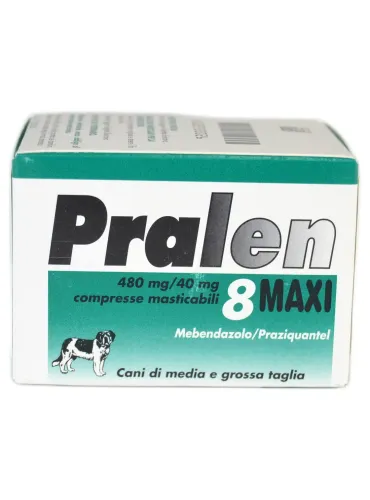
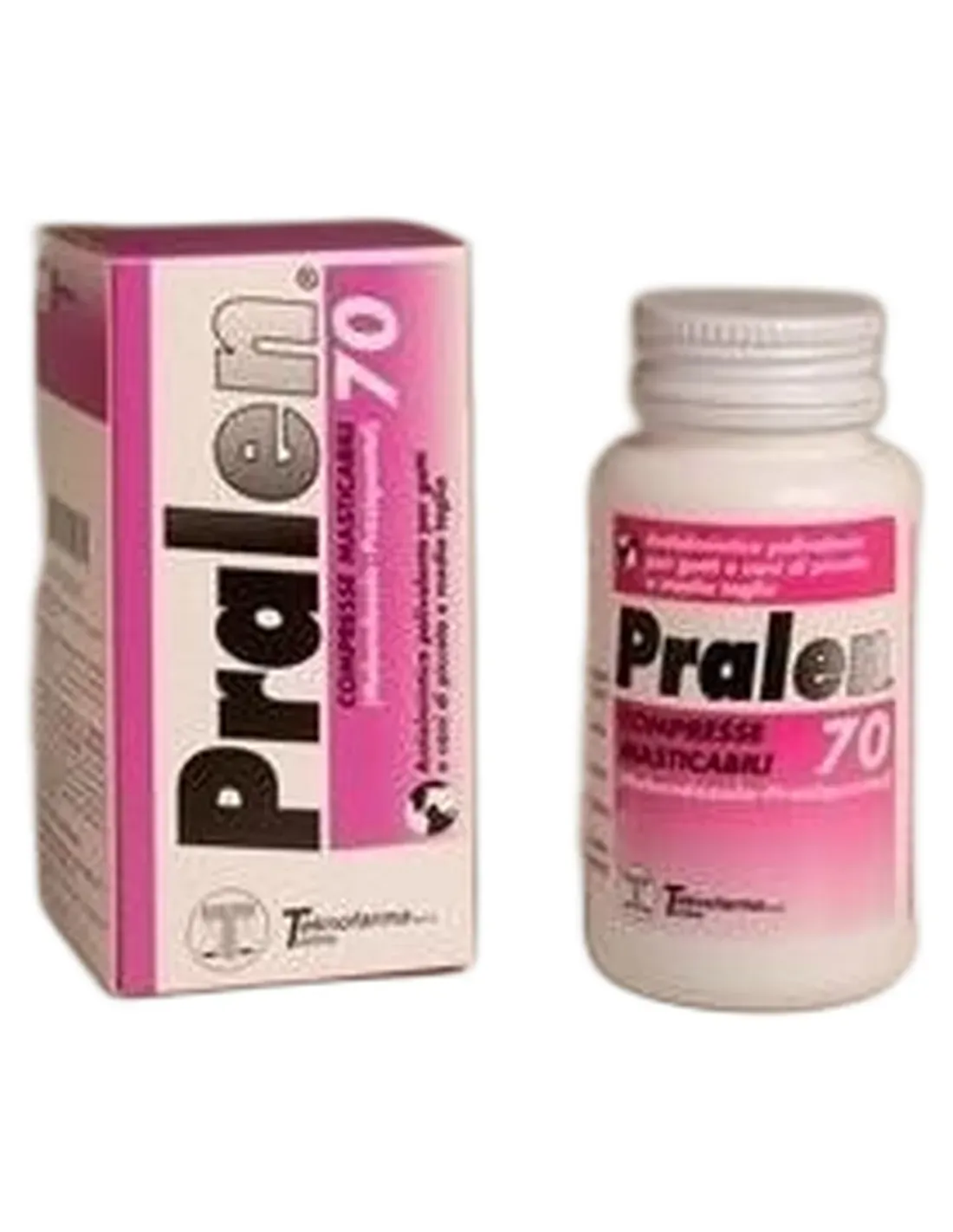
PHARMACOTHERAPEUTIC CATEGORY: Antitrematodes, antinematodes, anticestodes. Praziquantel in combination.
COMPOSITION:
Active ingredients: micronized mebendazole 240 mg, praziquantel (microencapsulated) 20 mg.
Excipients: Powdered sugar, rice starch, fish flour, maltodextrin, lactose monohydrate, diastasate corn flour, chicken meat flour, magnesium stearate, sodium chloride, potassium dihydrogen phosphate, cellulose acetophthalate, talc, color E 110, color E 151
INDICATIONS:
Treatment of parasitic infestations of dogs and cats caused by nematodes (round worms) and tapeworms (flatworms). CAT: toxocara cati, toxascaris leonina, ancylostoma tubaeformae, ancylostoma braziliense, strongyloides spp., taenia spp., dipylidium caninum, mesocestoides spp., echinococcus spp.. DOG: toxocara canis, toxascaris leonina, ancylostoma caninum, uncinaria stenocephala, strongyloides stercoralis, trichuris vulpis, taenia ovis, taenia pisiformis, taenia hydatigena, taenia multiceps, dipylidium caninum, mesocestoides spp, echinococcus spp..
CONTRAINDICATIONS/SIDE EFFECTS:
Do not use in cases of hypersensitivity to the active ingredients or to one of the excipients.
SAFETY IN THE REFERENCE SPECIES:
The administration of excessive doses can cause vomiting, which appears for Mebendazole above 500 mg/Kg in dogs and 300 mg/Kg in cats, for Praziquantel at 200 mg/Kg in dogs.
PHARMACEUTICAL FORM: Tablets
USE/ROUTE OF ADMINISTRATION:
For oral use.
DOSAGE:
For oral use. One tablet every 8 kg of animal weight per day for two consecutive days, equal to 30 mg/kg body weight/day of Mebendazole and 2.5 mg/kg body weight/day of Praziquantel. Always round the weight of the animal to the next whole number. The tablet is easily divisible into four parts, each used to treat 2 kg of animal. Place the tablet on a flat surface with the side with the score lines facing upwards. Press the center of the tablet with your thumb to divide it into 4 quarters. The chewable tablets are attractive to animals; they are taken spontaneously with rare exceptions; in these cases they can be crumbled and incorporated into a small quantity of desired food or mixed with kibble. During the treatment the animal does not lose liveliness or appetite.
STORAGE:
This veterinary medicinal product does not require any special storage conditions. Store in the original container and keep the bottle tightly closed. Shelf life of the veterinary medicinal product packaged for sale: 5 years.
WARNINGS:
In order to achieve effective parasite control, treatment should be carried out based on the results of the parasitological examination on faeces. Resistance of parasites to a particular class of anthelmintics may develop following frequent and repeated use of an anthelmintic of the same class. In case of Dipylidium caninum infestations, to prevent reinfestation it is necessary to implement adequate control measures on the fleas that act as vectors. Special precautions for use in animals: it is not necessary to administer purgatives or make the animal observe fasting during treatment; During deworming, it is good practice to feed the animals lighter meals than usual. It is preferable to administer the drug on an empty stomach and at the same time with a little welcome food. With the administration of Pralen according to the methods indicated, the total disappearance of the adult parasites is achieved; to eliminate the larval forms of hookworms and roundworms, it is necessary to repeat the complete treatment after 60 days for roundworm infestations and after 18 days for hookworm infestations, from the end of the first treatment. The elimination of parasites begins from the first administration; the complete disappearance of the eggs usually occurs within 10-15 days after the last administration. Therefore, the stool examination for control must be carried out after the aforementioned period of time has elapsed. During treatment and also subsequently, it is necessary to carry out appropriate disinfestation operations in the premises, especially in kennels or on farms, in order to avoid reinfestations. Furthermore, chemical denaturation of the feces expelled by treated subjects should be carried out in order to interrupt the continuation of the parasitic cycle. Special precautions to be taken by the person administering the veterinary medicinal product to animals: in case of accidental contact, wash your hands thoroughly. People with known hypersensitivity to the active ingredients contained in this medicine should administer the product with caution. The administration of excessive doses can cause vomiting, which appears for Mebendazole above 500 mg/Kg in dogs and 300 mg/Kg in cats, for Praziquantel at 200 mg/Kg in dogs.
TARGET SPECIES:
Cats and small and medium-sized dogs.
INTERACTIONS:
None known.
DIAGNOSIS AND PRESCRIPTION:
Veterinary medicinal product without veterinary prescription.
SIDE EFFECTS:
In very rare cases, mild and transient gastrointestinal disorders may occur (e.g. vomiting, diarrhoea). In very rare cases hepatotoxic adverse reactions may occur. The frequency of adverse reactions is defined using the following conventions: very common (more than 1 in 10 animals treated exhibits adverse reactions) common (more than 1 but less than 10 animals in 100 animals treated) uncommon (more than 1 but less than 10 animals in 1,000 animals treated) rare (more than 1 but less than 10 animals in 10,000 animals treated) very rare (less than 1 animal in 10,000 animals processed, including isolated reports).
PREGNANCY AND BREASTFEEDING:
Even if Mebendazole has not shown teratogenic or embryotoxic effects typical of other benzimidazoles, as a precaution its use is not recommended during the first fifteen days of pregnancy.