Shopping Cart
There are no more items in your cart
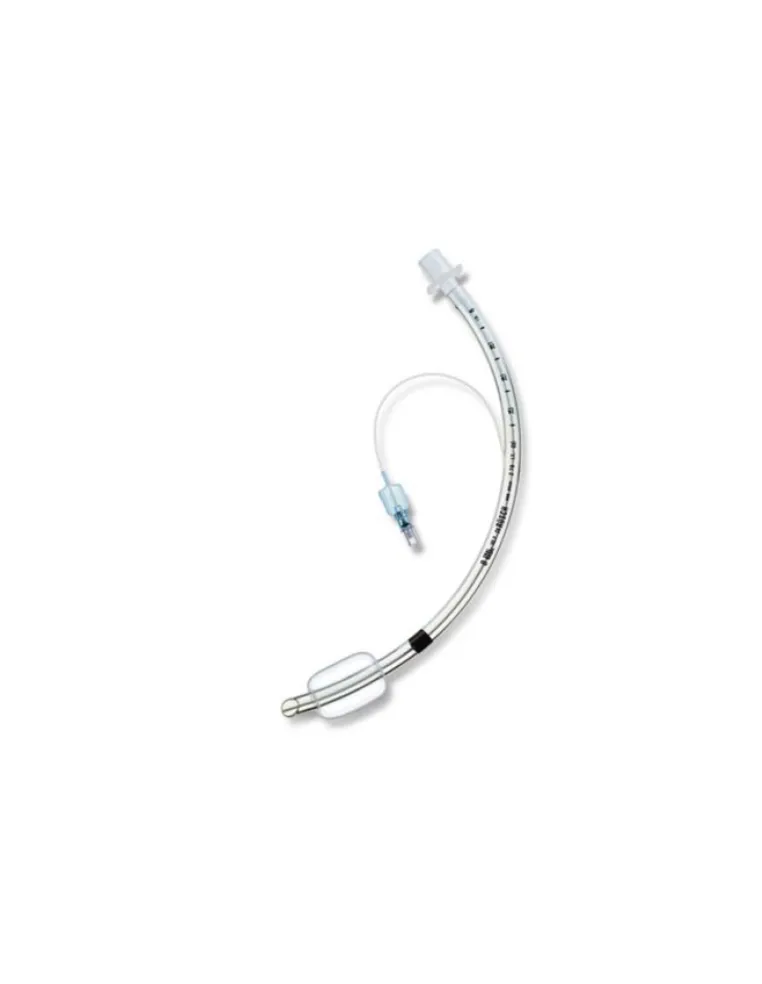


The 2.5 mm Tracheotube is an instrument designed specifically for use in the veterinary field during procedures that require maintenance of the airway to ensure effective and safe ventilation. Its size of 2.5 mm makes it suitable for small patients, including puppies, small pets, rodents and exotic species, who require delicate and tailor-made solutions. The tube material ensures flexibility and strength, reducing the risk of collapse or cracking under stress, while still maintaining adequate rigidity for easy introduction. The atraumatic end facilitates insertion, minimizing the risk of injury to the delicate mucous membranes of the respiratory tract. Ideal both in general anesthesia and in respiratory emergencies, the tracheotube is essential to guarantee a continuous and stable air flow, reducing complications such as hypoxia during operations. The internal surface is smooth to minimize the adhesion of secretions, facilitating cleaning and ongoing management of the tube during prolonged procedures.
Therapeutic Indications
The 2.5 mm tracheotube finds its main indication in veterinary procedures that require the maintenance of a free and constantly patent airway. It is mainly used during general anesthesia to administer anesthetic gases and ensure assisted ventilation in patients who, due to the small size of the trachea, require extremely small and targeted devices. It is recommended in head and neck surgery practices, in the management of respiratory emergencies, and during cardio-pulmonary resuscitation where rapid control of the airway represents a critical step for survival. The tracheotube is also used in pathologies that involve laryngeal or tracheal obstruction, such as laryngeal paralysis, edema or foreign bodies. Essential when acute respiratory failure conditions arise, both among small domestic animals and among exotic specimens. Furthermore, its use allows optimal management of tracheal secretions, preventing the risk of accumulations, and continuous oxygenation even in the presence of intraoperative complications or during induction/awakening from anesthesia.
Composition
The 2.5 mm Tracheotube is made of high quality, latex-free medical plastic material to minimize the risk of allergic reactions. Its construction includes a thin but resistant wall which guarantees the patency of the lumen even in the presence of high pressures. The exterior is completely smooth to reduce mucosal irritation and trauma during insertion or removal. The distal end is rounded and atraumatic to adapt anatomically to the trachea and reduce the risk of injury. Some models may include a stylet or guide stylet inside, useful for facilitating insertion into particularly narrow airways. The universal connector adapts to multiple ventilation circuits, both manual and automatic, maintaining a secure and leak-proof connection. The tube is transparent, allowing visualization of any secretions or internal condensation, which is important for monitoring during extensive procedures.
Contraindications
The use of the 2.5 mm tracheotube is contraindicated in patients who have severe malformations or stenoses of the airway that do not allow the passage of the instrument. Particular attention should be paid to animals with acute inflammatory pathologies of the trachea, where the insertion of devices can aggravate the clinical picture or cause edema and further narrowing of the lumen. Use is not recommended in subjects allergic to the composition materials, if they are known. Furthermore, use on animals for which the selected caliber is excessively undersized or oversized compared to the trachea may lead to ineffective ventilation and risk of injury. In the presence of untreated acute bacterial or fungal infections, the risk of dissemination with manipulation of the airways must be carefully assessed by the responsible veterinarian.
Device Security
The 2.5mm Tracheotube has been designed to ensure the highest level of safety during procedures. Choosing a biocompatible material reduces the risks of local and systemic adverse reactions. The transparency of the tube allows easy monitoring of any obstructions due to secretions or blood. The balanced flexibility allows easy manipulation, minimizing the risk of accidental punctures of the trachea, a particularly critical condition in small or impatient patients. Each device is subjected to rigorous quality controls before packaging and, thanks to the sterile disposable packaging, it is guaranteed that there is no cross-contamination between patients. The universal quick-connect connector ensures that the tubing remains securely connected to ventilation devices throughout the procedure, preventing disconnection or gas leaks. Periodically, it is recommended to visually check the device before use to ensure structural integrity.
Precautions
Before inserting the 2.5 mm tracheotube, it is necessary to check that the size selected is compatible with the dimensions of the animal's trachea, thus avoiding risks of ineffectiveness or trauma to the airways. It is important to lightly lubricate the external surface to facilitate insertion and reduce friction. During the procedure, constantly monitor oxygen saturation and correct tube position through auscultation or visual/manometric confirmation. After use, the device must be disposed of according to guidelines on the management of infectious or potentially contaminated materials. Attention must also be paid to the risk of accidental movement during the operating maneuvers or during the patient's awakening. Continuous monitoring and adequate tube fixation decrease these risks. Healthcare workers must always wear gloves and personal protective equipment when handling and disposing of the tube.
Method of Administration
The 2.5 mm tracheotube must be inserted with a delicate but firm maneuver, taking advantage of the anatomy of the airway and, if necessary, the aid of Magill forceps for correct positioning. Entry can be facilitated with the aid of suitable lubricants and, when indicated, with the use of laryngoscopy systems for direct visualization of the vocal cords. The tube must be inserted until the indicator mark located in correspondence with the vocal cords is visible; the correct position can be confirmed by breathing in air and listening to both lungs. Once the correct positioning has been confirmed, secure the tube stably with specific adhesive tape, bandage or special safety sheath, avoiding accidental movements. Reconnect to a manual or automatic ventilation system, checking tubing patency throughout the procedure. Once the procedure is completed, gently remove the tube checking for the absence of lesions or obstructing secretions.
Treatment Program
The use of the 2.5 mm tracheotube is contextualized depending on the duration and type of the veterinary procedure. In short-term surgical operations, the tube is inserted shortly before the induction of anesthesia and removed at the end, always monitoring the resumption of spontaneous respiratory functions. In patients requiring prolonged mechanical ventilation, such as in cases of severe respiratory failure or during prolonged resuscitation, it is advisable to frequently check the patency of the tube and the presence of secretions. The tube is designed for single use and should be replaced between patients to prevent cross-infection. In emergency situations, the tracheotube must always be available and ready for use, preferably inserted by expert personnel to optimize response times. Carefully follow the post-procedure monitoring protocols to promptly identify any complications such as hematomas, edema or local irritation.
Target Species
The 2.5 mm Tracheotube is designed primarily for small animals that require specific airway support: puppy dogs and cats, small domestic rodents, exotic animals such as rabbits, ferrets, small to medium sized birds and reptiles. It is particularly suitable in all those species where the caliber of the trachea makes it impossible to use larger standard tracheotubes, while still guaranteeing safety and reliability. The versatility and compatibility with different types of ventilators and veterinary anesthetic circuits make it an indispensable tool in emergency departments, general surgery, veterinary dentistry and intensive care that treat small patients.