Shopping Cart
There are no more items in your cart
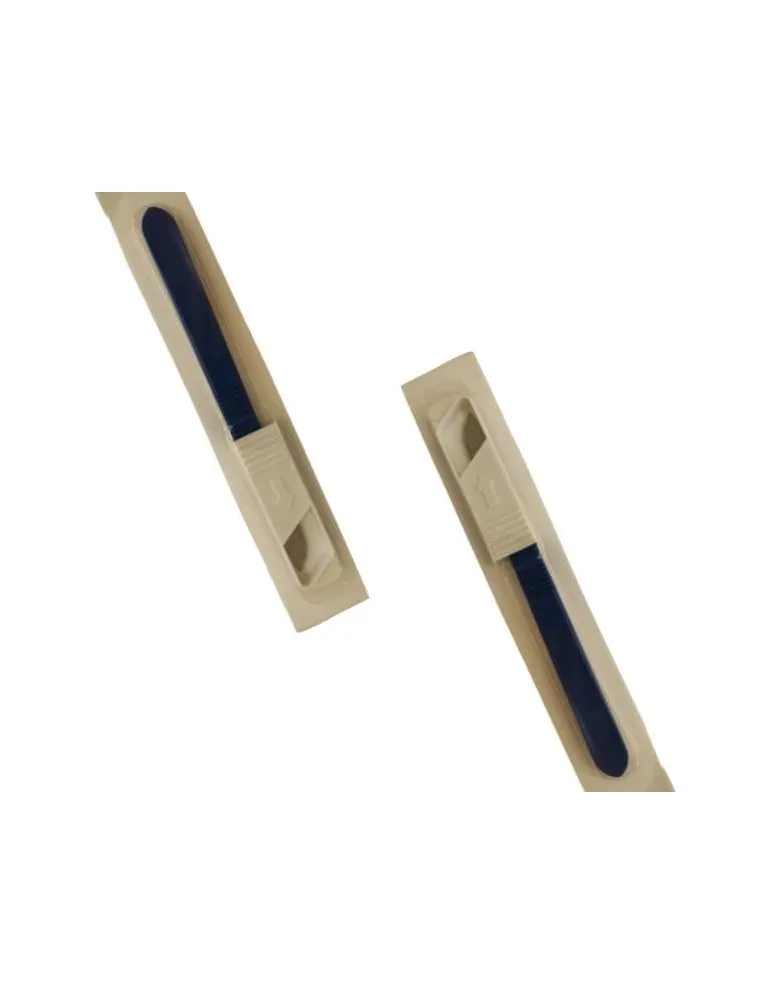


The 21x10 Disposable Scalpel is an indispensable surgical instrument for all procedures that require precision, safety and maximum hygiene. Made with high quality steel, the scalpel guarantees a clean and precise cut, facilitating tissue incision and minimizing the risk of unwanted injuries. The package consists of 10 pieces, each individually packaged in sterile packaging which preserves sterility until use. The blades are firmly attached to the ergonomic, durable plastic handle, offering a secure grip even during the most delicate procedures. This disposable device is designed to be used only once, eliminating any risk of cross-contamination between patients and ensuring maximum peace of mind for both healthcare workers and patients.
The 21x10 format offers versatility of use suitable for both hospital and outpatient settings, making it suitable for soft tissue incisions, surgical cuts of various types and small surgical procedures. The sharp blade allows precise work and reduces trauma to the tissues, promoting faster wound healing. The carefully designed packaging allows for easy opening in sterile conditions and the differentiated color of the handle helps in the immediate identification of the sizes. Perfect to include in professional first aid kits and operating sets, the 21x10 Disposable Scalpel represents a practical and efficient solution for healthcare professionals.
Therapeutic Indications
The 21x10 Disposable Scalpel is intended for all those procedures that involve surgical incisions or soft tissue dissections. It is mainly used in the operating room for general, orthopedic, dermatological, plastic, gynecological surgeries and in emergency situations where a quick and precise cut is necessary. It is also essential for minor outpatient surgery such as the removal of moles, cysts, drainage cuts or localized incisions. Its disposable nature guarantees the total absence of cross-contamination, protecting the patient from the risk of nosocomial infections and diseases that can be transmitted via surgical instruments. The use also extends to advanced dressing practices where small cuts on the skin or superficial incisions are necessary.
Recommended for healthcare professionals such as surgeons, general practitioners, veterinarians, specialist nurses, podiatrists and emergency room personnel, the scalpel also finds application in pathological anatomy laboratories or in university settings for educational dissections. It is a tool chosen for both deep and superficial incisions thanks to its balance between the strength of the handle and the precision of the blade. The adoption of disposable devices complies with international directives in the field of biosafety, making it mandatory in structures that wish to ensure a sterile and safe environment for the patient and the operator.
Composition
Materials: The blade of the Disposable Scalpel 21x10 is made of medical stainless steel, in compliance with European standards for surgical instruments, ensuring resistance to corrosion, sharp cutting and long life. The ergonomic handle is made of high-density plastic, designed for comfortable and non-slip use even when wearing gloves.
Each blade is carefully secured to the handle during automated production to prevent accidental movement or detachment. The package is made of sealed medical plastic material, easily opened and impervious to bacteria and external liquids. It does not contain latex, phthalates or allergenic substances, making it also suitable for patients and operators with known allergies. Sterilization occurs via gamma rays or ethylene oxide, depending on the batch, a method that guarantees total reduction of the microbial load and preserves the integrity of the blade. Each package contains 10 scalpels, each individually wrapped for maximum convenience and safety.
Contraindications
The use of the Disposable Scalpel 21x10 is contraindicated in patients who are sensitive or allergic to the materials with which the device is made, in particular stainless steel or plastic components. Do not use the scalpel in procedures where reusability of the instrument is required or where the cut must be repeated several times on the same patient: once used, the scalpel must be discarded in the appropriate containers for sharps to avoid risks of accidental puncture and contamination.
The device must not be used in surgery on very delicate organs without due precautions, nor in the presence of materials other than skin or soft tissues (e.g. for bone interventions). It does not replace more specific instruments required for particular surgical specialties, such as microsurgery or cardiac surgery. Improper use may pose risks of injury, bleeding and infection.
Device safety for the species
The scalpel is designed exclusively for use on humans and complies with the most stringent international safety standards. Single-use use drastically reduces the risks of cross-infection between different patients. The non-slip handle design reduces the possibility of accidental slips during engraving, offering precision and control even in critical conditions.
The plastic material used for the handle is non-toxic and does not release substances during handling, while the steel blade maintains sharpness even after the initial cut. In case of use on non-intended species (for example veterinary), it is recommended to carefully evaluate compatibility and hygiene in relation to the size and type of tissue to be engraved. Do not use if the integrity of the sterile sachet is compromised.
Precautions
The Disposable Scalpel must be used only by personnel trained in surgical or advanced dressing practices, strictly following all asepsis regulations. Before use, always check the perfect integrity of the sterile packaging and the firm attachment of the blade to the handle. Avoid contact of the blade with non-sterile surfaces to prevent contamination.
Do not use on patients with known allergies to the materials used. After use, the scalpel must be disposed of immediately in the appropriate sharps waste container; do not try to put the protection back on after use, to avoid accidental punctures or cuts. The use of personal protective equipment (PPE) such as gloves, protective glasses and gowns is recommended during use. Wash hands thoroughly after handling. Keep out of reach of children and unauthorized persons.
Method of administration
The scalpel must be used exclusively in controlled environments such as operating rooms, surgical clinics, doctors' offices, or in any case in conditions of maximum sterility. To use, remove the scalpel from its packaging only immediately before use, keeping the area sterile. By firmly grasping the handle, the desired cut is made, applying the necessary force according to the thickness of the fabric to be cut. Do not apply excessive pressure to avoid compromising the precision of the cut and the safety of the patient.
After use, the scalpel must not be reused for any reason: dispose of it in the container for special or sharps waste, according to regional and national regulations. In the event of an accidental cut by the operator, follow the safety procedures for wounds with potentially infectious materials.
Treatment program
Being a disposable instrument, the 21x10 Disposable Scalpel must be used only once for each surgical or medication procedure. There is no specific treatment program, but its adoption is part of protocols that provide for the total separation of devices between patients. In the operating room or clinic, the scalpel is opened only immediately before the planned procedure, used according to normal surgical practices and then safely discarded.
To ensure their effectiveness even in small outpatient procedures, it is advisable to check the availability of disposable scalpels in all emergency kits or in the provision of trolleys for emergencies and assistance. The exclusive adoption of disposable instruments is part of the programs to prevent hospital infections and improve safety in the healthcare sector. If additional cuts are needed in the same procedure, use a new scalpel.
Target species
Being human. The device can also be used on some animals in compatible veterinary procedures, but remains mainly intended for professional human use. It is recommended to always follow the regulations in force for each category of users and owners of pets or livestock.