Shopping Cart
There are no more items in your cart
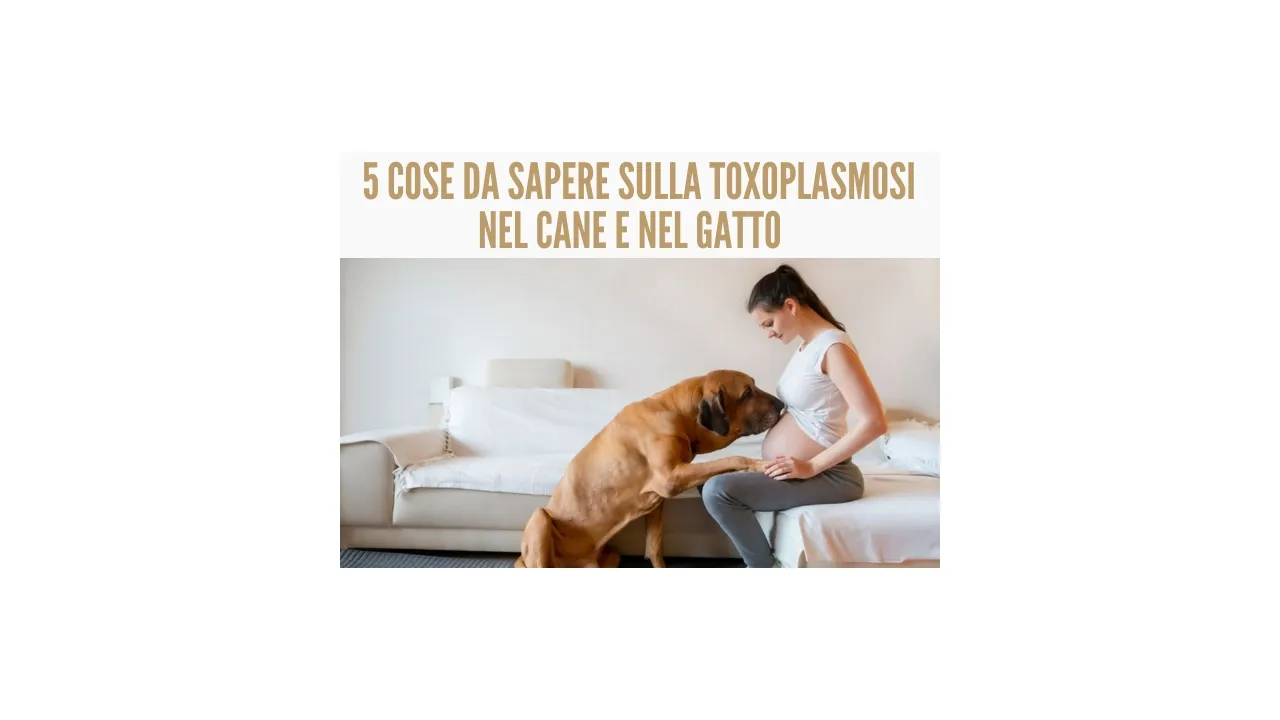
Toxoplasmosis: transmission, prevention and diagnosis
Everyday contact with an animal does not automatically mean infection. Food, soil and hygiene play an important role in prevention.
How exposure occurs
Toxoplasma gondii has a complex life cycle. People can be exposed through undercooked meat, soil or contaminated food; the role of cats should be explained without causing alarm.
Dogs should not be described as a source equivalent to cats in the parasite’s life cycle.
Pregnancy and vulnerable people
During pregnancy or in cases of immunosuppression, follow the advice of doctors and public health authorities. Cleaning the litter tray, wearing gloves while gardening and handling food correctly reduce the risk.
There is no need to give up an animal on the basis of general information.
Diagnosis in animals
Tests and their interpretation depend on the signs and clinical history. Medicines and treatment duration are veterinary decisions and are not turned into online protocols.
Sources and document updates
This information is general and does not replace diagnosis, prescription or instructions from a veterinarian. For a medicine, the summary of product characteristics or package leaflet for the specific presentation is authoritative.
- Istituto Superiore di Sanità — Toxoplasmosis (accessed 24/07/2026)
- Centers for Disease Control and Prevention — Toxoplasmosis (accessed 24/07/2026)
- ESCCAP — GL6 - Intestinal protozoa in cats and dogs (accessed 24/07/2026)
Editorial transparency: sources are provided to allow the documents to be checked. Professional review is only declared after genuine approval by a qualified, identifiable person.

Related posts
 Electronic veterinary prescription (REV): how it works
The REV system makes veterinary prescriptions digital. Owners must use the details supplied by the veterinarian and...
Leggi l'articolo ➜
Antiparasitic products for dogs: choosing safely
No antiparasitic product is suitable for every dog. Selection depends on the parasites present, the area, the...
Leggi l'articolo ➜
Antiparasitic collars for dogs: how to choose
There is no single collar that is best for every dog. Species, size, local parasites, environment and the...
Leggi l'articolo ➜
Veterinary antiparasitic sprays for dogs: precautions
This guide only concerns sprays authorised as veterinary medicines for dogs. Species, indications and instructions...
Leggi l'articolo ➜
Adopting a puppy: first visit and preventive care
A puppy’s healthcare programme takes age and individual risk into account. The first veterinary assessment is the...
Leggi l'articolo ➜