Shopping Cart
There are no more items in your cart
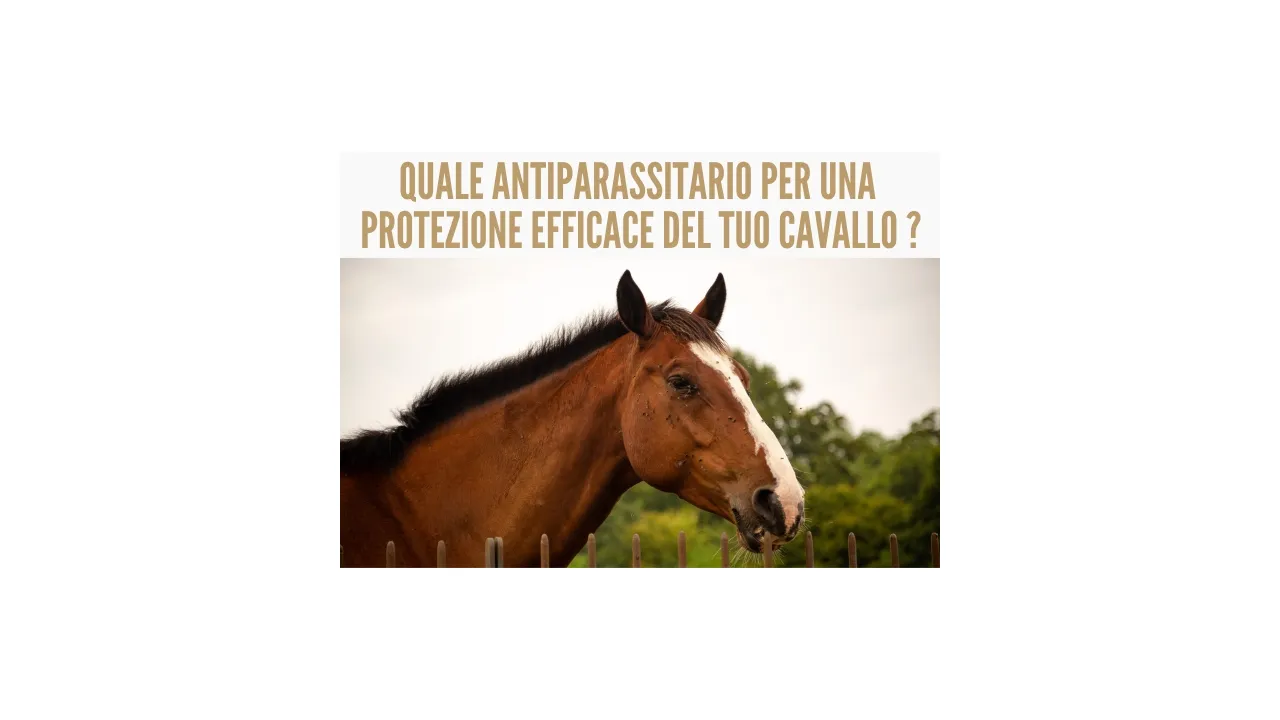
Parasite control in horses: a responsible plan
Parasite control in horses is not the same as treating at fixed intervals. Testing, group risk and checks on effectiveness should guide the veterinary plan.
Why a product ranking is not useful
Internal parasites and ectoparasites require different strategies. Age, grazing, movement, group size and treatment history all change an individual horse’s risk.
Repeated, untargeted use of anthelmintics encourages the selection of resistance and does not guarantee the removal of every parasite stage.
A measurable programme
The veterinarian may use faecal tests and faecal egg count reduction tests to assess shedding and response to treatment, while recognising their limitations. These tests do not replace a clinical diagnosis.
For every medicine, the species, formulation, instructions, contraindications and withdrawal periods stated for the authorised presentation must be followed.
Sources and documentary update
Documentation updated on 24 July 2026. This article summarises the official sources or professional guidance listed on the page and does not replace diagnosis, prescribing or instructions from a veterinarian. For any medicine, the summary of product characteristics or package leaflet for the specific presentation remains authoritative.
- ESCCAP — Gastrointestinal parasites of equids (accessed 24 July 2026)
- AAEP — Internal Parasite Control Guidelines (accessed 24 July 2026)
Editorial transparency: sources are listed so that the documentation can be checked. Professional review is stated only after genuine approval by a qualified, identifiable person.

Related posts
 Electronic veterinary prescription (REV): how it works
The REV system makes veterinary prescriptions digital. Owners must use the details supplied by the veterinarian and...
Leggi l'articolo ➜
Horses: vaccination and parasite control
Vaccination and parasite control require separate programmes, defined by the veterinarian according to risk and the...
Leggi l'articolo ➜
Deductible veterinary expenses in Italy in 2026: guide
Rules, limits and documentation may change with each tax year. This guide refers to the Italian Agenzia delle Entrate...
Leggi l'articolo ➜
Equine herpesviruses EHV-1 and EHV-4: guide
Outbreak reports become outdated quickly. This page distinguishes general information about EHV-1 and EHV-4 from...
Leggi l'articolo ➜
Arnica for people and animals: uses are not interchangeable
A veterinary product is not automatically authorised for human use, and a product for people may not be suitable for...
Leggi l'articolo ➜