Shopping Cart
There are no more items in your cart
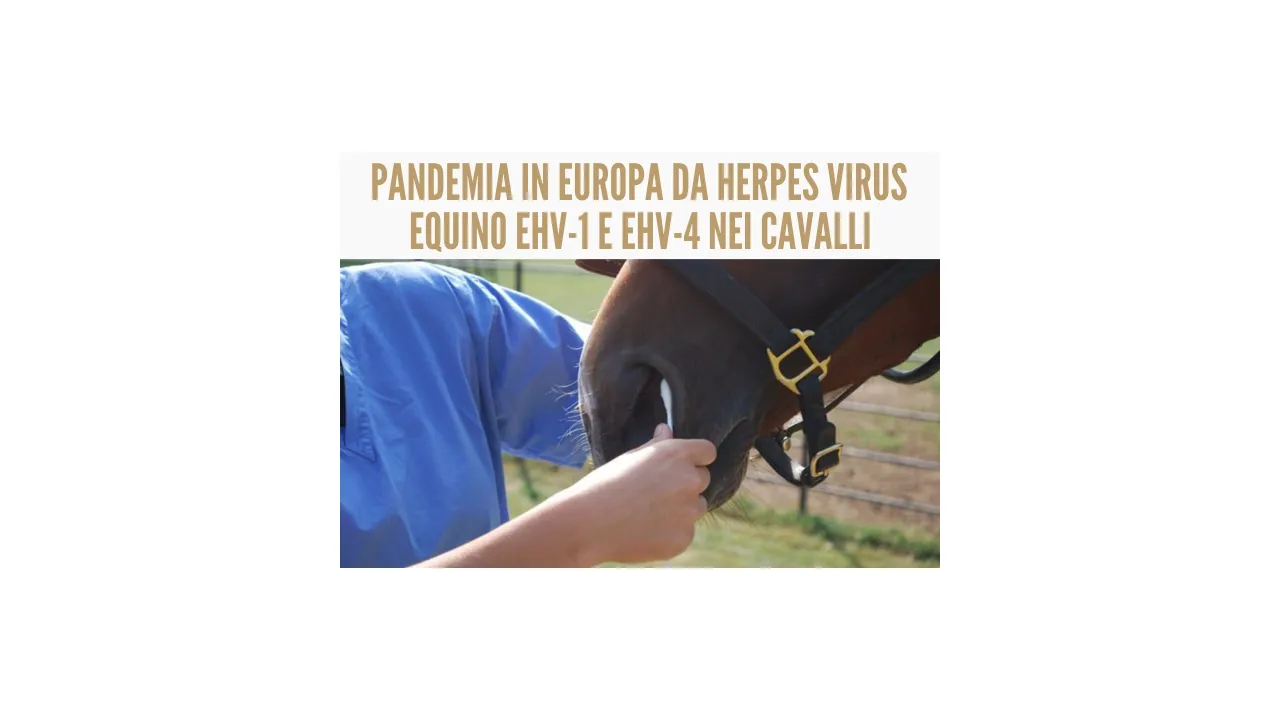
Equine herpesviruses EHV-1 and EHV-4: guide
Outbreak reports become outdated quickly. This page distinguishes general information about EHV-1 and EHV-4 from current official alerts.
Evergreen information and dated news
EHV-1 and EHV-4 are equine herpesviruses associated with different manifestations. An episode from 2021 should not be presented as a current emergency or automatically described as a pandemic.
Notices from authorities and equestrian organisations are authoritative for outbreaks, restrictions and movements.
Signs and isolation
Fever and respiratory, reproductive or neurological signs require veterinary contact. A suspected animal must be separated and managed using biosecurity measures defined by the professional.
Movement, shared equipment and contact between groups can encourage spread.
Prevention
Hygiene, temperature records, management of new arrivals and vaccination plans agreed with the veterinarian all contribute to prevention. No static page replaces an up-to-date animal health alert.
Sources and document updates
This information is general and does not replace diagnosis, prescription or instructions from a veterinarian. For a medicine, the summary of product characteristics or package leaflet for the specific presentation is authoritative.
- World Organisation for Animal Health — Equine viral rhinopneumonitis caused by EHV-1 (accessed 24/07/2026)
- Fédération Equestre Internationale — EHV-1 information and biosecurity (accessed 24/07/2026)
Editorial transparency: sources are provided to allow the documents to be checked. Professional review is only declared after genuine approval by a qualified, identifiable person.
Posted in:
Cavalli

Related posts
 Electronic veterinary prescription (REV): how it works
The REV system makes veterinary prescriptions digital. Owners must use the details supplied by the veterinarian and...
Leggi l'articolo ➜
Parasite control in horses: a responsible plan
Parasite control in horses is not the same as treating at fixed intervals. Testing, group risk and checks on...
Leggi l'articolo ➜
Horses: vaccination and parasite control
Vaccination and parasite control require separate programmes, defined by the veterinarian according to risk and the...
Leggi l'articolo ➜
Deductible veterinary expenses in Italy in 2026: guide
Rules, limits and documentation may change with each tax year. This guide refers to the Italian Agenzia delle Entrate...
Leggi l'articolo ➜
Arnica for people and animals: uses are not interchangeable
A veterinary product is not automatically authorised for human use, and a product for people may not be suitable for...
Leggi l'articolo ➜