Shopping Cart
There are no more items in your cart
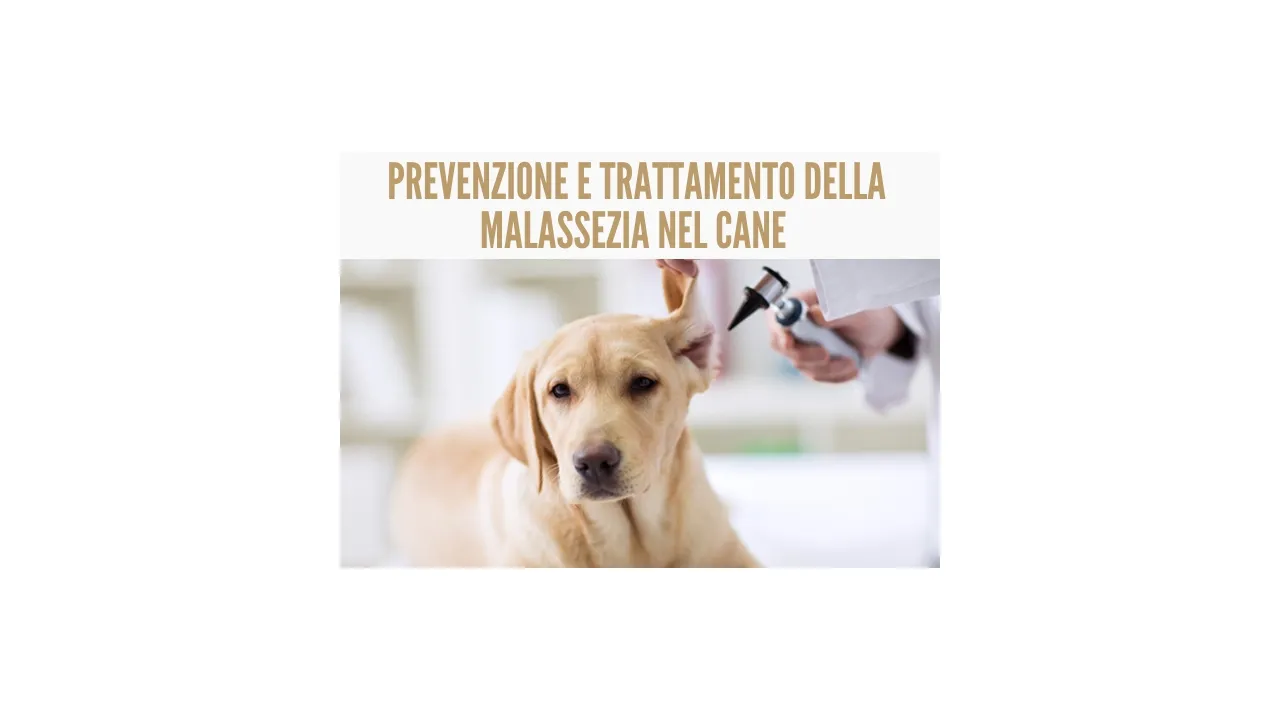
Malassezia in dogs: diagnosis and recurrence
Malassezia can form part of the skin flora and proliferate when predisposing conditions are present. Management must also consider the primary cause.
An opportunistic yeast
Itching, odour, greasy skin and ear inflammation may be associated with Malassezia overgrowth, but they are not exclusive signs. Allergies and other skin disorders can encourage recurrence.
Diet should not be identified as a common cause without a diagnostic process.
Diagnosis and targeted treatment
Cytology helps confirm the problem and monitor the response. Topical or systemic products are selected by the veterinarian according to location, severity and the animal’s condition.
Antibiotics are not an automatic component of treatment.
Reducing recurrence
Controlling the predisposing cause and attending follow-up appointments are more useful than generic prevention claims. Transmission to people should not be ruled out with absolute statements.
Sources and document updates
This information is general and does not replace diagnosis, prescription or instructions from a veterinarian. For a medicine, the summary of product characteristics or package leaflet for the specific presentation is authoritative.
- World Association for Veterinary Dermatology — Clinical consensus guidelines for Malassezia dermatitis (accessed 24/07/2026)
- AAHA — Management of allergic skin diseases in dogs and cats (accessed 24/07/2026)
- European Commission — Guidelines for the prudent use of antimicrobials in veterinary medicine (accessed 24/07/2026)
Editorial transparency: sources are provided to allow the documents to be checked. Professional review is only declared after genuine approval by a qualified, identifiable person.
Posted in:
Cani

Related posts
 Electronic veterinary prescription (REV): how it works
The REV system makes veterinary prescriptions digital. Owners must use the details supplied by the veterinarian and...
Leggi l'articolo ➜
Antiparasitic products for dogs: choosing safely
No antiparasitic product is suitable for every dog. Selection depends on the parasites present, the area, the...
Leggi l'articolo ➜
Antiparasitic collars for dogs: how to choose
There is no single collar that is best for every dog. Species, size, local parasites, environment and the...
Leggi l'articolo ➜
Veterinary antiparasitic sprays for dogs: precautions
This guide only concerns sprays authorised as veterinary medicines for dogs. Species, indications and instructions...
Leggi l'articolo ➜
Adopting a puppy: first visit and preventive care
A puppy’s healthcare programme takes age and individual risk into account. The first veterinary assessment is the...
Leggi l'articolo ➜