Shopping Cart
There are no more items in your cart
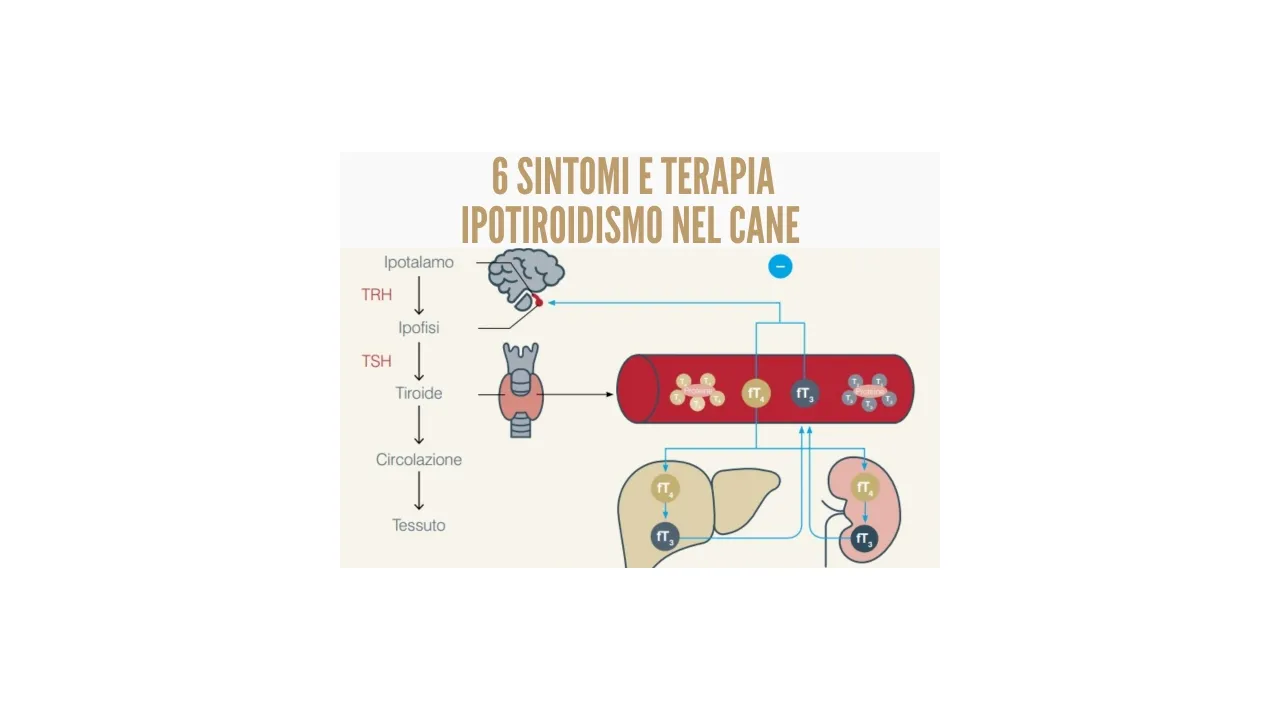
Hypothyroidism in dogs: signs and diagnosis
Signs of hypothyroidism can also occur with other conditions. Diagnosis requires a clinical history, examination and coordinated interpretation of test results.
Possible but non-specific signs
Changes in weight, activity, skin or coat may guide the investigation, but they do not confirm hypothyroidism on their own. Age, medicines and concurrent diseases can alter the results.
It is therefore important to avoid self-diagnosis based on a single symptom.
The diagnostic process
The veterinarian selects and interprets tests in their clinical context. A single value is not always sufficient, and other causes may need to be ruled out.
Additional tests are chosen for the individual case rather than applied automatically to every dog.
Treatment and monitoring
Once the diagnosis is confirmed, the medicine and monitoring plan are prescribed individually. Do not change the product, timing or management without consulting your veterinarian.
Sources and document updates
This information is general and does not replace diagnosis, prescription or instructions from a veterinarian. For a medicine, the summary of product characteristics or package leaflet for the specific presentation is authoritative.
- AAHA — 2023 selected endocrinopathies guidelines (accessed 24/07/2026)
- Union Product Database — Veterinary medicines authorised in the European Union (accessed 24/07/2026)
Editorial transparency: sources are provided to allow the documents to be checked. Professional review is only declared after genuine approval by a qualified, identifiable person.

Related posts
 Electronic veterinary prescription (REV): how it works
The REV system makes veterinary prescriptions digital. Owners must use the details supplied by the veterinarian and...
Leggi l'articolo ➜
Antiparasitic products for dogs: choosing safely
No antiparasitic product is suitable for every dog. Selection depends on the parasites present, the area, the...
Leggi l'articolo ➜
Antiparasitic collars for dogs: how to choose
There is no single collar that is best for every dog. Species, size, local parasites, environment and the...
Leggi l'articolo ➜
Veterinary antiparasitic sprays for dogs: precautions
This guide only concerns sprays authorised as veterinary medicines for dogs. Species, indications and instructions...
Leggi l'articolo ➜
Adopting a puppy: first visit and preventive care
A puppy’s healthcare programme takes age and individual risk into account. The first veterinary assessment is the...
Leggi l'articolo ➜