Shopping Cart
There are no more items in your cart
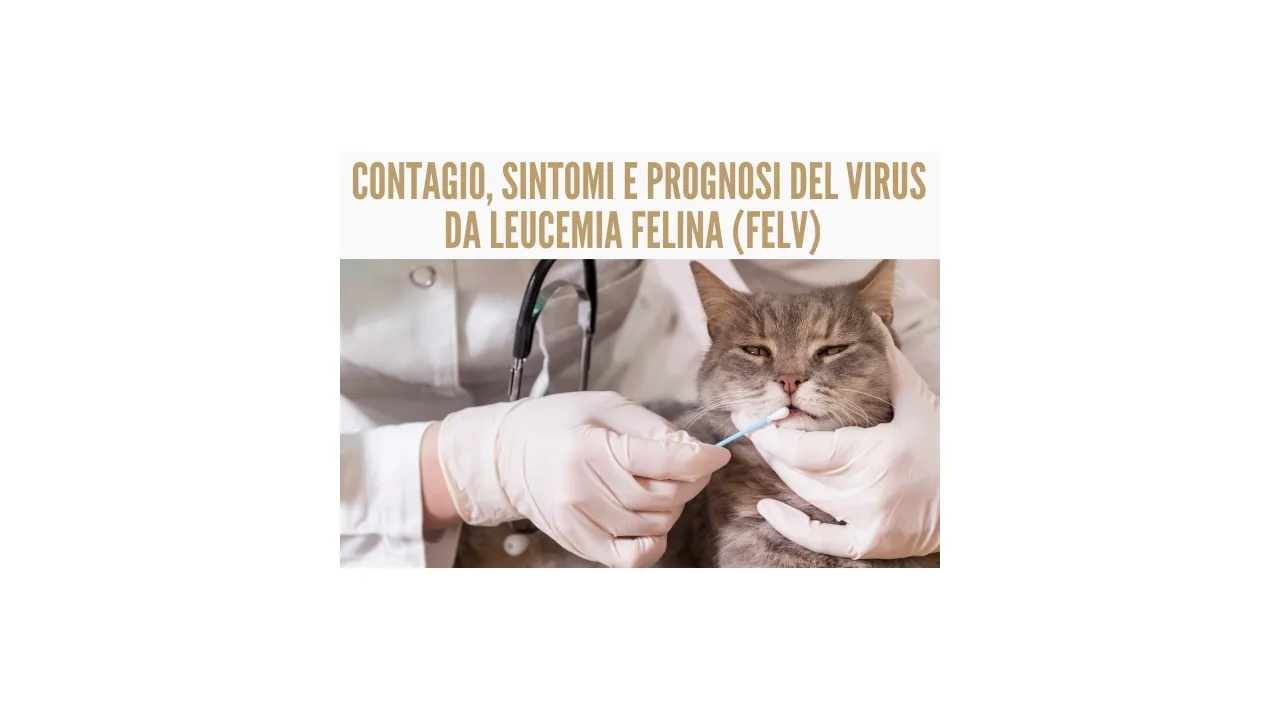
FeLV in cats: infection, testing and prevention
The FeLV test should be selected and interpreted in light of exposure and the timing of sampling. A positive result may need confirmation before definitive decisions are made.
Transmission and diagnosis
The virus can spread through close contact and secretions, with risk varying according to cohabitation and behaviour. Not every positive test describes the same stage of infection.
The veterinarian determines the confirmation pathway and timing, especially after recent exposure or when results disagree.
Reducing risk
Testing new arrivals, indoor living, appropriate management of cohabitation and vaccination when indicated help reduce new infections. Vaccination does not replace testing and does not treat an existing infection.
Positive cats need regular monitoring and early treatment of concurrent problems, not standardised promises about prognosis.
Sources and documentary update
Documentation updated on 24 July 2026. This article summarises the official sources or professional guidance listed on the page and does not replace diagnosis, prescribing or instructions from a veterinarian. For any medicine, the summary of product characteristics or package leaflet for the specific presentation remains authoritative.
- FelineVMA — Feline Retrovirus Testing and Management Guidelines (accessed 24 July 2026)
Editorial transparency: sources are listed so that the documentation can be checked. Professional review is stated only after genuine approval by a qualified, identifiable person.
Posted in:
Gatti

Related posts
 Electronic veterinary prescription (REV): how it works
The REV system makes veterinary prescriptions digital. Owners must use the details supplied by the veterinarian and...
Leggi l'articolo ➜
Adopting a cat: health and nutritional assessment
Vaccination and nutrition do not follow an identical schedule for every cat. The veterinarian should assess them in...
Leggi l'articolo ➜
Animals and children: responsible choice and safety
No species or breed is automatically suitable for every child. The decision requires adult supervision, time,...
Leggi l'articolo ➜
The immune system in dogs and cats: what we know
The immune system is complex and is not automatically boosted by a single supplement. Vaccination, nutrition and...
Leggi l'articolo ➜
Diabetes in dogs and cats: diagnosis and management
Dogs and cats should not be managed using the same protocol. Diagnosis, treatment and nutrition depend on the species...
Leggi l'articolo ➜