Shopping Cart
There are no more items in your cart
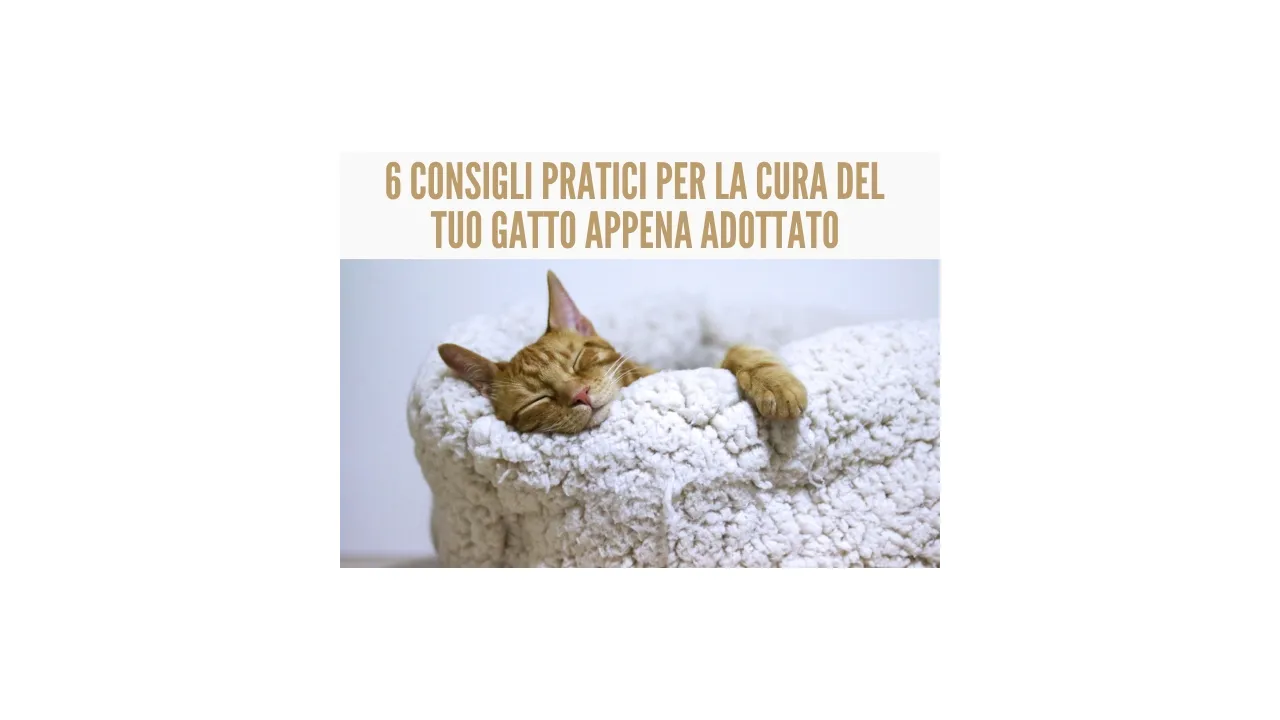
Adopting a cat: health and nutritional assessment
Vaccination and nutrition do not follow an identical schedule for every cat. The veterinarian should assess them in light of the cat’s history and individual characteristics.
Gather the available information
Bring any available vaccination records and a history of the current diet to the first assessment. This information helps the veterinarian evaluate the individual cat.
The vaccination schedule should reflect documented vaccinations and individual risk; it cannot be determined from age alone and is not identical for every cat.
Assess nutrition as well
A nutritional assessment considers the food being used, quantity, body condition and individual characteristics. This information enables the veterinarian to make recommendations suited to the patient.
Changes to the diet or vaccination schedule should be agreed on the basis of a professional assessment, without automatically applying to the new cat what was done for other animals.
Sources and documentary update
Documentation updated on 24 July 2026. This article summarises the official sources or professional guidance listed on the page and does not replace diagnosis, prescribing or instructions from a veterinarian. For any medicine, the summary of product characteristics or package leaflet for the specific presentation remains authoritative.
- WSAVA — 2024 Vaccination Guidelines (accessed 24 July 2026)
- WSAVA — Global Nutrition Guidelines (accessed 24 July 2026)
Editorial transparency: sources are listed so that the documentation can be checked. Professional review is stated only after genuine approval by a qualified, identifiable person.

Related posts
 Electronic veterinary prescription (REV): how it works
The REV system makes veterinary prescriptions digital. Owners must use the details supplied by the veterinarian and...
Leggi l'articolo ➜
Adopting a puppy: first visit and preventive care
A puppy’s healthcare programme takes age and individual risk into account. The first veterinary assessment is the...
Leggi l'articolo ➜
Animals and children: responsible choice and safety
No species or breed is automatically suitable for every child. The decision requires adult supervision, time,...
Leggi l'articolo ➜
The immune system in dogs and cats: what we know
The immune system is complex and is not automatically boosted by a single supplement. Vaccination, nutrition and...
Leggi l'articolo ➜
The bitch’s oestrous cycle: stages, variation and checks
The four stages of the cycle vary in length, and external signs do not identify the fertile period precisely....
Leggi l'articolo ➜