Shopping Cart
There are no more items in your cart
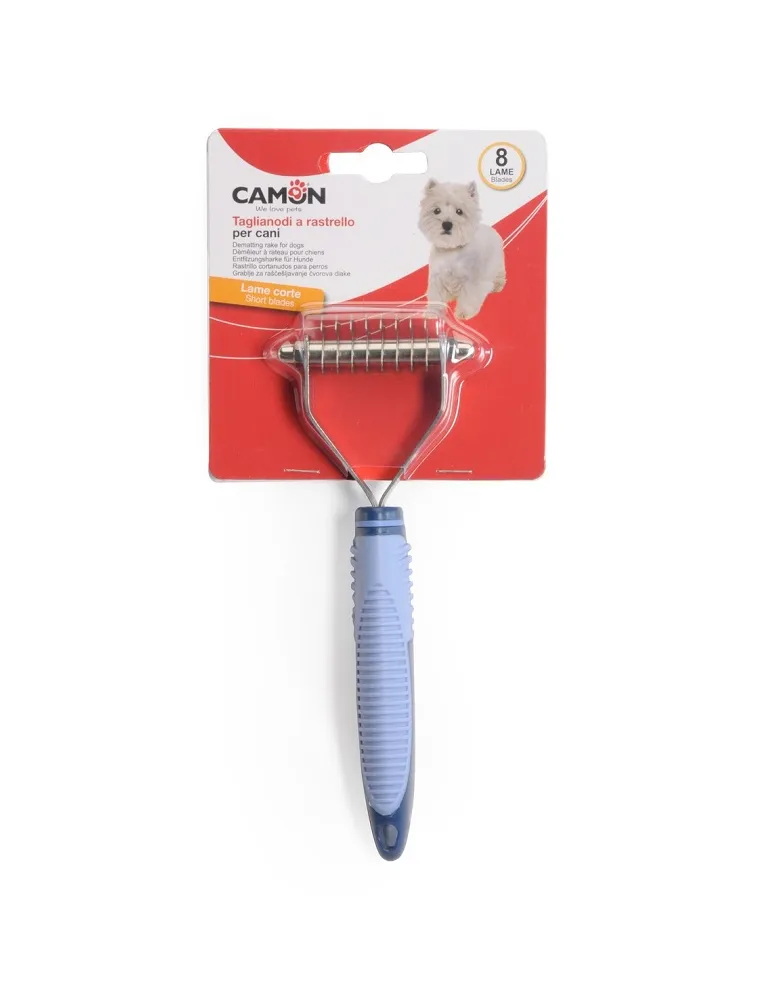
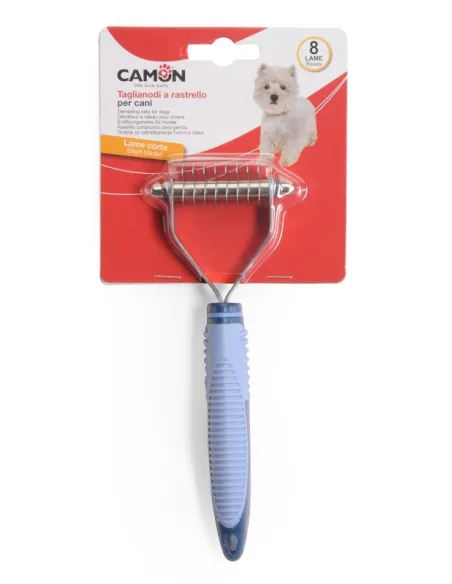


SoftGrip Knot Cutter 12 blades is a manual tool designed for the rapid and precise cutting and removal of knots, strands, ropes, strings and textile threads typical of domestic, nautical, gardening and craft activities. The name summarizes the two main features: an ergonomic soft handle "SoftGrip" designed to reduce fatigue and improve control during repeated operations, and a set of 12 interchangeable blades that allows you to adapt the tool to different materials and thicknesses. The tool is designed to offer a balance between easy handling and robustness, guaranteeing clean and safe cuts in ordinary working conditions. The sharp blade allows you to carry out quick operations without fraying the yarns, while the quick blade change system makes it simple to replace and choose the most suitable blade for the material to be treated.
The construction includes a compact body with a contoured handle that facilitates grip even with sweaty or slightly damp hands and a soft non-slip surface to increase operational safety. The knot cutter was designed to be used in contexts where precision is required (elimination of knots in cordage, finishing of ropes and strands, cutting of ties and ties) without resorting to larger tools. The presence of 12 different blades allows you to choose between different cutting profiles and geometries — for example straight blades for clean cuts, curved blades to grab and extract knots, serrated blades for more resistant materials — increasing the versatility of the tool.
The design is oriented towards ease of use: the blade locking mechanism keeps the blade in place during cutting and can be disengaged to allow quick replacement without the use of additional tools; a small safety system prevents accidental opening during transport. The tool is suitable for both expert users and hobbyists who need a dedicated tool for the daily management of ropes and knots. It is recommended to use the tool respecting the basic safety rules and the instructions provided in the following sections.
General note: this text describes the characteristics and general methods of use of the product identified as "12-blade softgrip knot cutter". The information contained herein is intended to provide a comprehensive overview of the use, maintenance and precautions for use of the instrument in non-specialist contexts. Avoid any improper use that exceeds the indications provided, and keep the instrument out of the reach of children.
Therapeutic Indications
Indications for use: the 12-blade softgrip knot cutter is suitable for cutting and controlled removal of knots and entanglements on textile and fibrous materials, such as natural and synthetic ropes, twines, fiber threads, jute or hemp ties, and nylon and polypropylene threads of a diameter compatible with the blades included. It is particularly useful for maintenance and repair interventions in the nautical sector for the management of light cordage, for gardening and light pruning activities where it is necessary to untie knots or cut ties, for industrial or artisanal tailoring work which requires the clean elimination of knots or bindings, as well as for DIY and DIY activities involving woven materials. The interchangeable blades allow you to select the most suitable geometry: straight blades for clean cuts on thin wires, curved blades for extracting knots without damaging the material, and serrated blades for thicker or more resistant materials. This makes the tool suitable for a wide range of applications where precision and minimization of fraying is required.
Further practical indications: use the knot cutter to eliminate knots that hinder the functioning of textile equipment or to facilitate the replacement of components tied with thread or string; it is suitable for the preparation of cordage in order to insert terminations or joint sleeves; it can be used to remove and cut bindings in exhibition and display settings, where a quick and clean intervention is necessary. The instrument is also suitable for precision activities in teaching laboratories or artisan workshops to separate ligatures without compromising the surrounding material. In the nautical sector it is suitable for non-structural on-board operations, ordinary maintenance of cordage and rapid interventions during maneuvers that do not require heavy cutting equipment.
Recommended operating instructions: always use the blade suited to the material and intended cutting intensity; prefer a controlled cut with short and decisive movements rather than forcing with excessive tractions which can cause slipping or damage. In the case of very tight knots, it is advisable to use a blade with an arched profile to grasp the knot and gradually untie it, avoiding cutting parts of material that need to be preserved. For particularly delicate or valuable materials, it is recommended to apply minimal pressure and, if possible, test the action on a non-visible portion.
Finally, the intended use excludes activities for which specialized tools or particular certifications are required: it is not suitable for cutting metal cables, live electrical wires, structural composite materials or for interventions that require specific protective equipment and regulatory procedures. For these uses, contact specific tools and qualified personnel.
Composition
Composition and constituent materials: the 12-blade softgrip knot cutter is composed of a main body made of high-strength technical polymeric materials that give lightness and durability, and an ergonomic handle in "SoftGrip" elastomeric material that provides a non-slip and comfortable surface. The blades are made of highly corrosion-resistant stainless steel, heat treated to preserve the edge and prolong the life of the sharpening; the surface treatment may include unspecified anti-corrosion finishes to avoid oxidation in humid environments. The blade locking system consists of small metal components (pins and screws) in stainless steel or resistant alloys, mounted in reinforced seats in the body of the instrument to ensure stability and safety during use. The base that houses the interchangeable blades is designed to allow simple and repeated assembly, minimizing play and maintaining the alignment of the parts during cutting.
Blade Details: The set contains 12 blades of different profiles to cover a wide range of materials and operations; These include straight blades for clean cuts, curved blades for inserting under knots and for the controlled removal of ligatures, serrated blades for more resistant materials and fine-tipped blades for precision work. Each blade is designed to be easily replaceable and to offer a sharp but safe edge, with geometries that minimize fraying and promote a clean cut. The blade materials are selected to maintain a good compromise between sharpness and ease of maintenance; in case of wear it is possible to resharpen them or replace them with compatible blades according to the instructions for use.
Support materials and finishes: the plastic parts are made with impact-resistant polymers and compounds that guarantee dimensional stability even in variable environmental conditions; the surfaces in contact with the hand are coated with soft elastomers to improve comfort and grip. The exposed metal elements are treated to resist humidity and salinity conditions typical of the marine environment, although they are not designed for intensive use in extreme conditions without adequate maintenance. Furthermore, the blade fixing system has precise tolerances to reduce vibrations and maintain safety during continuous use.
Accessories and packaging: the instrument is accompanied by an assortment of 12 blades and an internal housing or case (if applicable) for transporting and storing the blades; this solution allows you to keep the blades protected and organized, making it easier to quickly choose the correct blade. All materials used are selected to offer a good combination of durability, ease of use and routine maintenance.
Contraindications
Contraindications and limits of use: the 12-blade softgrip knot cutter must not be used for purposes other than those indicated in the previous sections. It is not recommended to use it on metallic materials or steel cables, on live electrical wires, on pipes, on structural composite materials or on elements that require certified equipment and specific safety procedures. It should not be used to cut materials that require tools with special cutting characteristics or special protection for the operator. Use on high loads or on materials that generate sparks or heat can damage the instrument and pose risks to the operator.
Do not use the tool for medical, surgical applications or for the treatment of living beings: the knot cutter is not designed for cutting skin, fabrics or for any healthcare use; use in such contexts is dangerous and absolutely not recommended. Furthermore, it is not intended for use in technical rescue operations requiring certified safety tools, nor in situations where failure of the tool could cause damage to people or critical infrastructure. Avoid using the tool as a lever or hammer, as this could cause breakage of the plastic or metal parts, with consequent risk of splinters or injuries.
Additional limitations: Do not use the knot cutter on ropes or bindings that contain internal metal threads or reinforcements, as the blade may be damaged beyond repair and separation of the materials may cause flying fragments. Do not use the instrument in explosive environments or in the presence of flammable gases. In the presence of materials impregnated with aggressive chemical substances or abrasives, it is advisable to evaluate compatibility, as prolonged exposure could degrade the polymeric parts or reduce the life of the blades. In case of doubts about the suitability for a specific material, prefer dedicated tools or consult qualified technical personnel.
Finally, use by unskilled or inadequately trained people is not recommended without supervision; ensure that those who use the tool know the basic safety rules and know how to choose the correct blade and appropriate cutting techniques to avoid accidents.
Safety of the drug for the species
Please note that the wording "Safety of the drug for the species" is here adapted to provide information on the safety of the product with respect to end users and environments of use: the 12 blade softgrip knot cutter should be considered a manual tool and, as such, presents inherent risks related to the presence of sharp blades. User safety is based on correct blade selection, regular maintenance and use in accordance with the instructions; Improper use or negligent handling may cause cuts, lacerations or accidents from projected objects. It is essential to use basic personal protective equipment such as cut-resistant gloves when changing blades or working with materials that require greater strength. Always keep hands and fingers away from the edge of the blade when cutting, and use controlled cutting techniques to reduce the risk of slipping.
Risks for the environment and pets: blades and metal parts can pose a risk if left unattended; Keep the instrument and accessories in closed cases or containers to prevent access by children or pets. Do not leave used blades or metal fragments on the ground or in areas accessible to animals due to the risk of injury or accidental ingestion. In the event of the instrument breaking, carefully collect and dispose of sharp fragments according to local regulations for hazardous waste, avoiding dispersing parts into the environment.
Safety of use and periodic checks: before each use check the condition of the blades and the locking mechanism; a worn blade or loose fastening increases the risk of accidents. If you observe cracks, deformations or looseness in plastic or metal parts, discontinue use and replace the damaged components. Store the instrument in a dry place protected from humidity to prevent corrosion and degradation of the materials. To ensure long-term safety, schedule regular visual checks and replace the blades according to the frequency of use and the intensity of the work performed.
Finally, adopt correct emergency management: in the event of an accidental cut, follow the required first aid procedures, clean and disinfect the wound and, if necessary, contact a medical service. Avoid the use of improvised dressings with contaminated materials and do not use the instrument again until the correct functioning and safety of the parts involved have been verified.
Precautions
Precautions for use: before each use, check that the blade is mounted correctly and that the locking system is operational. Do not keep your finger in the cutting area and make sure the surface you are working on is stable. Use the knot cutter with controlled movements, avoiding excessive traction or forcing which could cause the tool to slip or the blade to break. Wear suitable protective gloves when working with abrasive or rough materials and in the presence of sharp edges; the gloves reduce the risk of accidental cuts when changing blades or when handling cut material. Protect your eyes with safety glasses in case of materials that can shatter or project fragments during cutting.
Precautions for handling and storage: store the tool in a safe place, out of reach of children and pets, preferably in a case that protects the blades. Do not leave mounted blades unattended on surfaces where they can be accidentally touched. When replacing the blades, use tools or support devices if necessary and do not force components that do not disassemble easily. Dispose of used blades in resistant, sealable containers to avoid inadvertent injuries to those handling waste; do not throw loose blades into the general collection without adequate protection.
Special precautions for environmental conditions: avoid use in conditions of heavy rain or prolonged immersion in water, as humidity can compromise the locking mechanism and promote corrosion; If the instrument is exposed to water or corrosive agents, dry it and lubricate the metal parts to prevent damage. Do not use the knot cutter in environments with risk of explosion or presence of flammable gases. Avoid modifying the original parts of the tool or using incompatible blades which could compromise safety and performance.
Training and information: ensure that users receive clear instructions on correct cutting techniques and safety procedures; anyone who carries out activities with the instrument must be aware of the risks and preventive practices. Always keep the instructions for use at hand and follow the maintenance recommendations indicated to maintain safe operating conditions.
Method of administration
In this "Method of administration" section, the operating methods of use of the 12-blade softgrip knot cutter are described in detail. Preparation for carrying out the activity: select the most suitable blade for the material to be cut and check that it is intact and well sharpened; fit the blade into its housing making sure that the locking mechanism is completely closed and that there is no lateral play. Hold the instrument with your dominant hand, taking care to place your thumb and fingers on the soft grip to obtain a firm grip; your free hand must stabilize the material to be cut, preventing it from slipping during cutting.
Recommended cutting technique: apply controlled pressure and make a short, firm movement, taking care to orient the blade so that the cut occurs following the natural direction of the fibers or thread. For tight knots, use an arched blade to slide under the knot and apply progressive pressure until the knot breaks or loosens; for clean cuts on thin wires, use sharp straight blades and move the tool perpendicular to the wire. Avoid large and uncontrolled movements which increase the risk of accidental cuts or damage to the material.
Replacing and managing the blades: to replace the blade, disengage the locking mechanism following the foreseen sequence (unlock, remove the used blade, insert the new blade and reactivate the locking). Carry out the operation with hands protected by cut-resistant gloves and on a flat and stable surface; always check that the blade is correctly secured before proceeding with use. Do not force the blade to insert if it does not slide easily; check the cleanliness of the seats and remove any accumulated residues that may hinder correct positioning.
Ordinary post-use cleaning and maintenance: after use, remove residues of fibre, dust or cut material by brushing or controlled blowing; clean the blade with a dry or slightly damp cloth (following precautions for humidity) and lubricate the moving metal parts with a film of protective lubricant to prevent corrosion. Dry thoroughly before placing the instrument in the case. If cutting contaminated materials, perform a more thorough cleaning and dispose of sharps residues correctly.
Finally, organize the activities so that the use of the tool takes place in good lighting conditions and on stable surfaces; immediately stop use at the first sign of malfunction or anomaly and proceed to check or replace the affected parts.
Treatment program
Maintenance and inspection program: to maintain optimal performance of the 12 blade softgrip knot cutter it is advisable to follow a regular inspection and maintenance program. Daily check: before each use, visually check the condition of the blade, the absence of chipping, the tightness of the locking mechanism and the solidity of the handle. If the instrument is used intensively, carry out a more thorough check at the end of each working day, removing material residues and lubricating the moving metal parts with a suitable product. Weekly check: inspect the blade seats to remove accumulations of dirt and verify the absence of corrosion; check the screws, pins and fasteners to ensure they are tight and intact.
Replacement of the blades and periodic inspection: the frequency of replacement of the blades depends on the use and the material cut; As a general rule, replace the blade when you notice a noticeable decline in cutting performance, the need to exert more force or dulling of the edge. In conditions of normal use it may be sufficient to replace or resharpen the blades after a variable number of hours of use; for intensive use, schedule closer revisions and keep a set of spare blades. Six-monthly or annual overhaul: for professional users, carry out a more in-depth overhaul at least once every six months (or annually for less intense uses), including checking the condition of the plastic and metal parts, replacing worn components and a general functional check.
Emergency management and maintenance register: in the event of breakage or malfunction, stop use and record the event in a maintenance register (for professional use) with the date of the anomaly, symptoms encountered and interventions carried out; this helps monitor the behavior of the instrument over time and prevent repeated failures. Store waste blades in suitable containers for disposal and record replacements to always keep your spare parts inventory under control. Regular care and a defined maintenance program guarantee durability, safety and constant performance over time.
Final advice on the treatment program: adapt the frequency of maintenance operations to the type of use, increasing it in the presence of harsh conditions (dirt, abrasive material, saline environment). Document the maintenance operations carried out to track any anomalies and to optimize the life cycle of the instrument.
Target species
Target species and user categories: the 12-blade softgrip knot cutter is intended for use by individuals and professional operators who need a manual tool dedicated to cutting and removing knots on textile and fibrous materials. The user categories include boating and water sports enthusiasts for the maintenance of on-board cordage in non-structural operations, gardeners and landscaping operators for the management of ties and plant materials not linked to heavy industrial uses, artisan and textile operators who carry out fabric finishing and repair activities, as well as hobbyists and DIY workers who need a versatile and easy-to-handle tool for precision interventions.
Further areas of use: the product is also suitable for workers in educational and craft workshops where they work with cordage and natural or synthetic fibres, for exhibition and set-up operators who need to remove temporary bindings and for those who carry out light domestic repairs. It is not intended for medical or veterinary uses or for activities requiring certified tools for structural safety; therefore avoid use on living beings or for interventions involving critical components of machines or systems. The user must be made up of people who know the basic cutting techniques and safety rules described in the previous sections.
Checks and training for the user: for correct and safe use it is advisable that professionals include the use of the knot cutter in the standard operating procedures and provide brief training to operators on blade assembly techniques, cutting methods and the actions to be taken in the event of accidents. For amateur use, read the instructions carefully and respect the precautions indicated to minimize risks. In any case, the instrument is intended exclusively for human operator use and not for purposes other than those indicated.