Shopping Cart
There are no more items in your cart
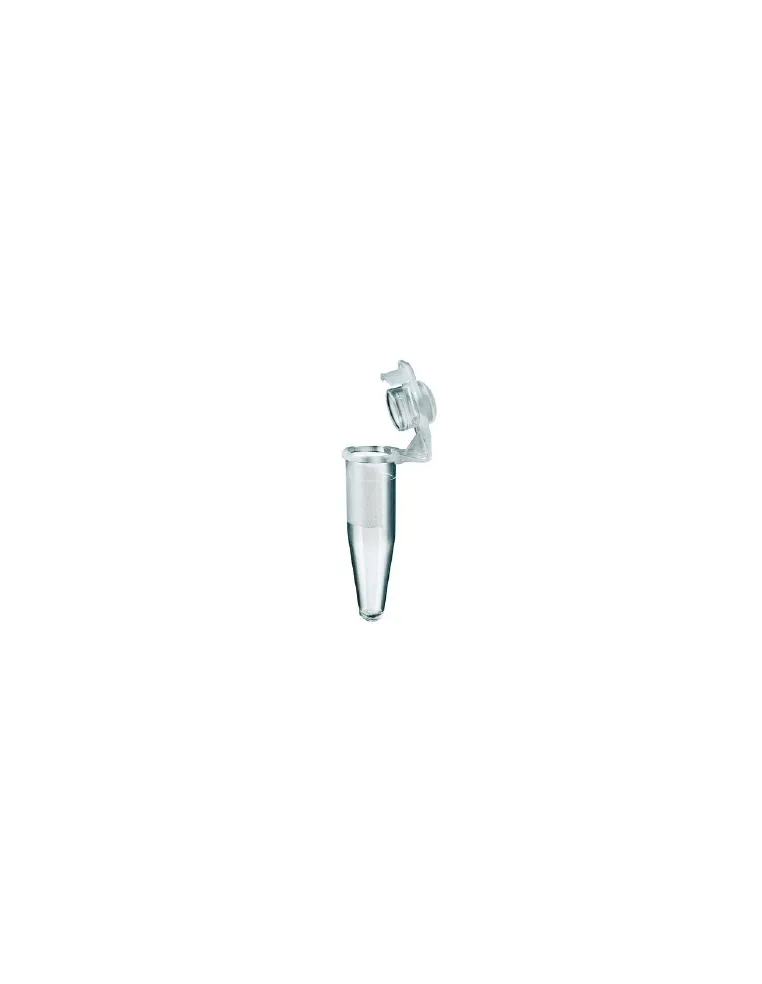
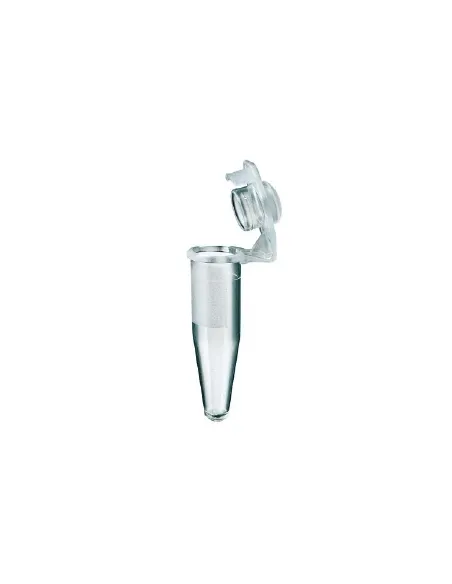


The 1.5 ml Microtubes represent a versatile and reliable solution for the collection, storage and manipulation of small volumes of liquids in the laboratory. Designed to adapt to the needs of clinical analysis, scientific and microbiological research laboratories, these tubes are particularly suitable for the treatment of biological samples, reagents or other types of solutions, guaranteeing safety and practicality during each operational phase. Each test tube has an integrated pressure cap, ensuring hermetic closure, essential to avoid contamination or spills, and facilitating the temporary conservation of the contents. The transparency of the microtubes allows for very rapid control of the volume and appearance of the sample, thus simplifying both the aliquoting and quality control phases. The compact and handy 1.5 ml format makes them easy to fit into standard laboratory racks, ensuring full compatibility with centrifuges and other commonly used instruments.
The package contains 10 pieces, designed to guarantee a sufficient supply to cover the needs of repeated processing and guarantee order on the workbench. These microtubes represent a functional and economical choice both in routine activities and in more complex procedures, where the reliability of the container plays a decisive role both for the integrity of the analytical results and for the practical management of the workflow.
Directions for Use
These microtubes are specifically designed for the collection, transport and storage of small volume liquid samples, generally used in laboratory settings. They are particularly suitable for clinical test preparations, enzyme assays, molecular biology studies, cryopreservation, sample fraction collection, dilutions, biochemical reaction assays and PCR examinations. The extreme versatility makes them useful for both blood samples and organic liquids, culture solutions and reagents, allowing to reduce the risks of evaporation and cross-contamination between samples.
The 1.5 ml microtubes can be easily used manually or via pipettes and automatic dispensers, making them compatible with most laboratory racks, centrifuge stands, and automation devices. Due to their capacity and format, they are also recommended for temporary collections and for subsequent aliquoting or subdivision into other containers. The use of microtubes is recommended when precision is required in subdividing small volumes of solution, such as in quantitative and qualitative analyzes or in carrying out incubations and reactions in small volumes. Furthermore, they are ideal for processes that require cold storage, freezing or rapid transport of samples to safety.
Composition and Characteristics
The microtubes are made of high-quality polypropylene, known for its chemical resistance and stability over a wide range of temperatures, essential characteristics for the safety and preservation of biological and chemical samples. The material used guarantees the total absence of interfering substances, ensuring that no contaminants are released into the sample, a crucial factor for the precision of the analyses. The integrated pressure cap ensures a perfect seal, preventing any liquid leakage, evaporation or accidental contamination during handling or storage.
Each microtube has a nominal capacity of 1.5 ml, with a clearly visible lateral graduation that allows accurate and fast measurement of the contained volume. The transparent surface allows an easy visual assessment of the state of the sample and simplifies any monitoring operations during processes such as centrifugation. Although they are non-sterile, they are suitable for numerous laboratory uses where sterility is not a process requirement, while still being easily autoclavable for any additional decontamination needs. The package includes 10 pieces, so as to guarantee operational continuity even in laboratories with high work volumes.
Contraindications
The non-sterile 1.5 ml microtubes are not indicated for use with samples or preparations that require absolutely sterile conditions, such as cell cultures sensitive to contaminants, highly critical diagnostic clinical processes or where microbial contamination could alter the outcome of the analyses. It is not recommended to use it in protocols that involve the conservation of pathogenic material in long-term conditions without previously subjecting the container to validated sterilization processes. Furthermore, for molecular tests where contamination with environmental DNA or RNA could affect the results, it is preferable to use sterile molecular grade tubes.
They are not suitable for applications involving exposure to very aggressive solvents or prolonged high temperatures, conditions which could compromise the structural integrity of the polypropylene or alter the closure of the cap. In case of use for infectious or dangerous biological samples, compatibility with the safety procedures adopted by the laboratory must be verified to avoid risks of accidental spillage or contamination.
Safety in Use
The use of 1.5 ml microtubes must be carried out in compliance with all typical laboratory safety standards: it is important to wear gloves, protective glasses and other customized equipment according to internal protocol when handling biological or chemical samples. The pressure closure helps prevent leaks, but it is recommended to always check the correct insertion of the cap, especially before subjecting the tubes to centrifugation or other significant mechanical forces that could cause accidental openings.
In the absence of sterility, microtubes should not be considered suitable for the containment of particularly sensitive materials. If sterilization is necessary, polypropylene can be autoclaved at standard temperatures (usually up to 121°C for 20 minutes); however, repeated sterilization may affect the mechanical strength and quality of the closure. The microtubes must be used only once with biological risk samples and sent for disposal as special waste at the end of their operating cycle, according to national and company indications.
Precautions
When handling the microtubes, it is recommended to avoid excessive pressure on the cap so as not to compromise the closure, especially when used with volatile liquids or samples in the freezing phase which could expand. Avoid reusing tubes for different contents, especially if already used with substances or liquids capable of leaving persistent or potentially contaminating residues. Before introducing critical samples, a careful visual inspection is recommended to exclude the presence of dust or foreign particles that could alter the analytical results.
For applications at risk of cross-contamination, it is recommended to treat the microtubes with solutions suitable for decontamination or to prefer the use of sterile tubes. It is important to always keep the microtubes closed when not in use to prevent the entry of dust, vapors or environmental microorganisms. If possible, storage should take place in dry environments away from sources of direct heat, in closed cabinets or workbench drawers: unsuitable storage conditions can compromise their quality and functionality.
How to Use
Fill the microtubes using volumetric pipettes or automatic dispensers, taking care not to exceed the maximum capacity of 1.5 ml, to avoid the risk of the liquid coming into direct contact with the closure and then leaking. The closure must be carried out by applying firm and uniform pressure on the cap, checking that the seat is well anchored. To centrifuge the samples, always place the microtubes in compatible rotors, paying attention to balancing the weights in the opposite positions of the basket.
The microtubes can be marked with adhesive labels or waterproof writing, so as to clearly identify the contents, the date and other information necessary for traceability. In the case of storage at subzero temperatures, it is recommended to use compatible caps and check that the tubes are leak-proof. After use, dispose of the microtubes following the safety procedures relating to the type of sample processed.
Use and Storage Program
The 1.5 ml microtubes are suitable for a wide spectrum of applications: from the preparation of rapid reactions and analyzes requiring frequent aliquoting, to the temporary storage of small volumes useful for subsequent tests. Their use can be programmed in the phases of multiple sampling or for the preparation and storage of samples divided from a main sampling, thus ensuring orderly management of the workflow in the laboratory.
To best preserve the quality of the microtubes, it is advisable to store them in their original packaging until use, in dry, clean places and at room temperature. If reusing after sterilization, carefully inspect for signs of wear or deformation. The microtubes can also be used in temporary archives of samples, subject to correct labeling and conservation protocol depending on the nature of the content (cold, frozen or at room temperature, according to the specific needs of the laboratory process).
Target Species
These microtubes are intended exclusively for laboratory use, in both human and veterinary settings, in scientific and industrial research, in diagnostic, clinical, microbiological, pharmaceutical, biotechnological and quality control laboratories. They are not devices for direct use on living organisms, but play the fundamental role of container and work tool for the collection, management and conservation of liquids, cells, chemical solutions and biological materials in a practical and safe way.