Shopping Cart
There are no more items in your cart


Product Description
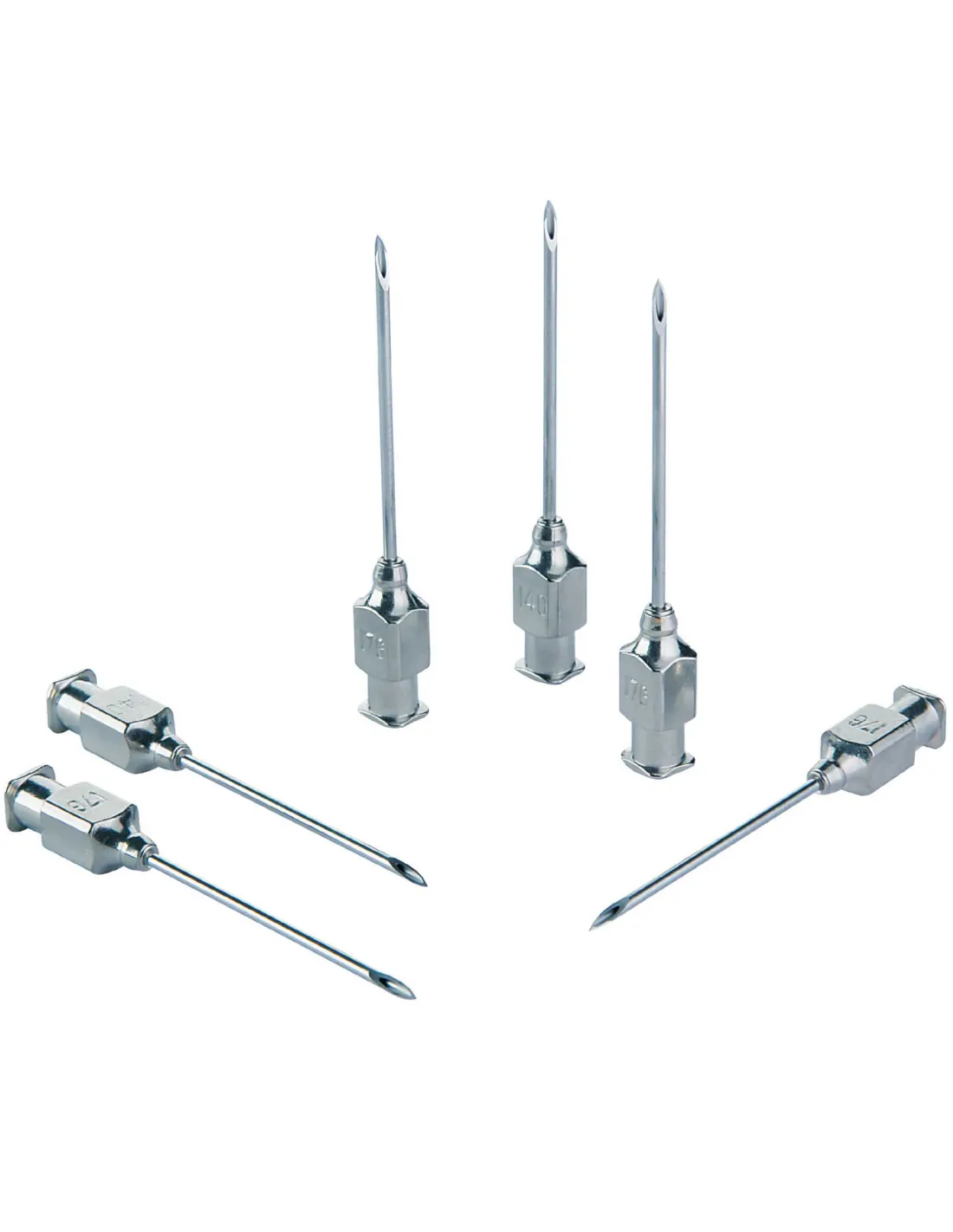
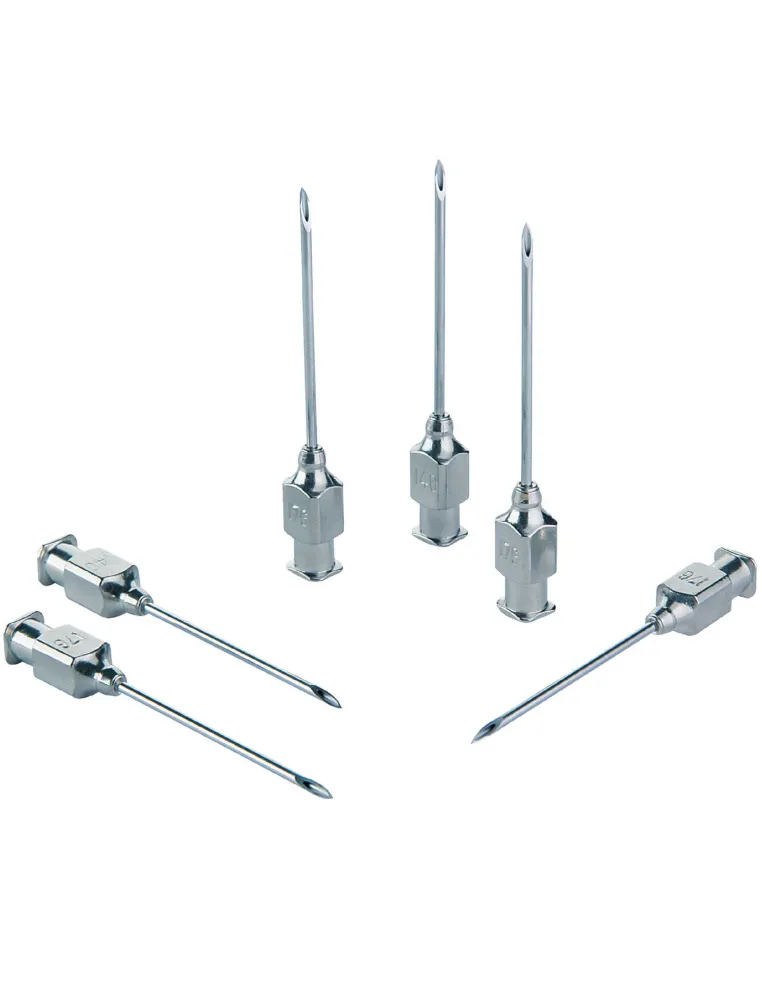
THE HENKE LL VET NEEDLE 1.20X20 MM is a high quality veterinary needle, designed to guarantee precision and safety during injection or sampling procedures on animals. This needle features a diameter of 1.20 mm and a length of 20 mm, optimal size for a wide range of veterinary applications. Its stainless steel construction ensures durability and corrosion resistance, while the Luer Lock connection guarantees a secure and stable connection with the syringe.
The package contains 12 needles, each of which has been designed to offer reliable and consistent performance. The needle has extreme elasticity and resistance to twisting, essential factors to ensure maximum safety during use. Furthermore, the size of the needle is clearly imprinted on the attachment, making it easy to select and identify the correct gauge for each specific need.
These needles are suitable for use in a variety of veterinary procedures, including blood draws, vaccine administration, and other therapeutic injections. Their versatility makes them an indispensable item for any veterinary clinic, animal shelter or farm. The packaging is designed to keep the needles in optimal condition until use, ensuring that each needle is sterile and ready for use.
Composition and Quality
The needles are made of high quality stainless steel, a material chosen for its strength and durability properties. Stainless steel is known for its ability to resist corrosion and maintain high hygiene, two fundamental aspects in the veterinary field. The Luer Lock attachment is designed to provide a secure and reliable connection to the syringe, preventing accidental disconnection and drug leakage during use.
Each needle is nickel and chrome plated to provide a smooth, non-reactive surface, reducing the risk of irritation or allergic reactions in animals. Their elasticity and resistance to twisting are the result of a careful manufacturing process, which ensures that each needle can withstand repeated use without losing its shape or functionality.
The 12-pack is designed to meet the needs of different sized veterinary clinics, ensuring there is always an adequate supply of needles available for daily procedures. The packaging is designed to protect the needles from damage and contamination, ensuring that each needle is sterile and ready for use straight out of the package.
Precautions and Safety
It is essential to follow standard safety rules when using veterinary needles to prevent injuries and ensure the safety of both the operator and the animal. Needles should only be used by qualified and trained personnel. After use, needles should be disposed of safely in sharps containers to prevent the risk of accidental needle sticks and possible infection.
Handling needles requires care and attention to avoid cross-contamination. It is important not to reuse needles to prevent the transmission of pathogens between animals. Furthermore, it is essential to check the integrity of the packaging before use and not to use needles that are damaged or have been exposed to contamination.
Precautions also include storing needles in a clean, dry environment, away from heat and direct light, to maintain sterility and product integrity. Before use, it is advisable to inspect each needle to ensure that there are no visible defects and that the Luer Lock connection is in perfect condition.
Method of Administration
VET HENKE LL needles are designed to be used with Luer Lock compatible syringes. For administration, connect the needle to the syringe making sure it is securely fastened to avoid leakage or disconnection during the injection. Once the needle is secured, draw the drug into the syringe according to the veterinarian's instructions and proceed with the injection into the animal following the appropriate techniques.
Administration must be carried out with caution and precision to minimize the animal's discomfort and ensure the effectiveness of the treatment. After use, the needle should be removed from the syringe and disposed of properly. It is important not to touch the tip of the needle with your hands and not to reattach the protective cap to avoid the risk of accidental needle sticks.
The administration of drugs through these needles must always be supervised by a veterinarian, who can provide specific indications on the most suitable injection technique based on the type of treatment and animal species.