Shopping Cart
There are no more items in your cart
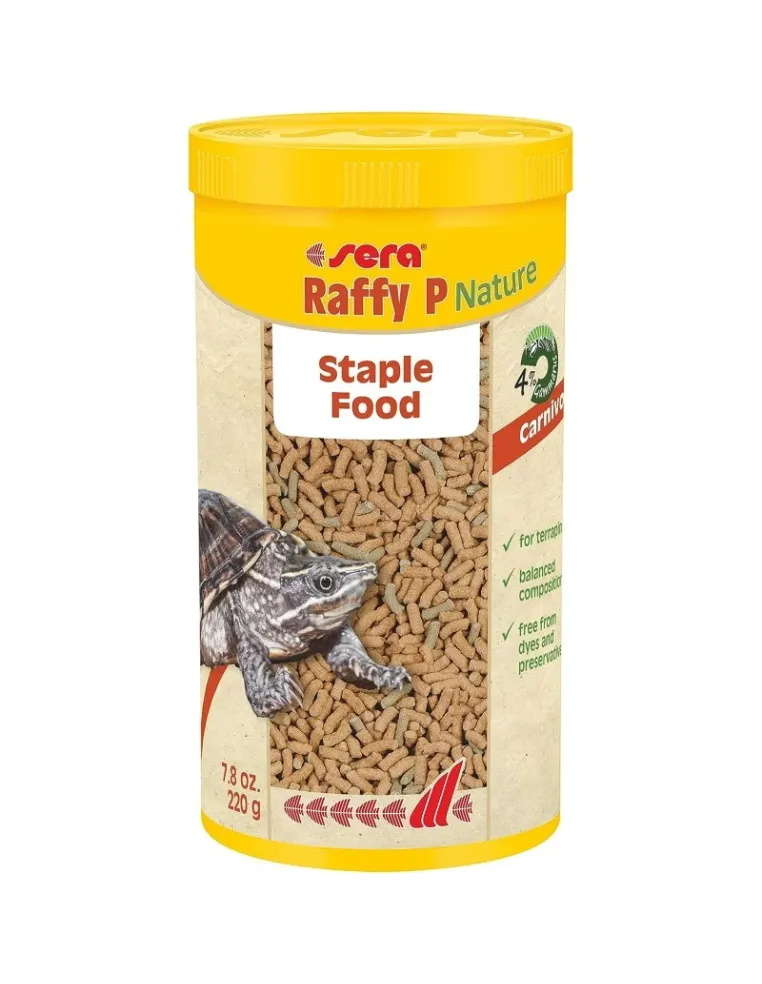


repti food sera turtle 1000 ml is a complete food formulated for the maintenance and well-being of water turtles and aquatic reptiles in the aquarium. Designed to offer a balanced source of essential nutrients, this product comes in a 1000ml solution, designed to facilitate distribution and administration in the home breeding territory. The feed is designed to integrate the natural diet of specimens kept in captivity, with particular attention to ease of intake and preservation of organoleptic quality over time.
The formulation is aimed at supporting daily vital functions: adequate energy intake, highly digestible proteins, selected sources of vitamins and minerals necessary for growth, maintenance of the carapace and health of the skin and visceral systems. The product is ideal as a main or supplementary component of the daily ration, and is suitable for both young subjects in the growth phase and for adults in maintenance.
Easy to administer and dose thanks to the liquid/concentrate format (depending on the chosen method of use), the feed integrates with any fresh components of the diet, such as vegetables, fish or specific supplements, without altering the flavour. It is suitable for those who want a practical solution for feeding aquatic reptiles in aquariums and home tanks, with attention to daily nutritional quality.
Below there are detailed sections that delve into indications for use, nutritional composition, any contraindications or warnings, safety of use for the species, practical precautions, methods of administration, recommended treatment/feeding program and the target species, with exhaustive and general information for correct use of the feed.
Therapeutic Indications
This section describes in detail the indications for use and the benefits that the food brings to the well-being of water turtles and other aquatic reptiles. The feed is indicated for daily nutritional maintenance, to support the growth of young specimens and to guarantee stable nutritional conditions in adults. Correct nutrition helps maintain a functional immune system, promotes the harmonious growth of the carapace and good health of the skin and soft tissues. A balanced diet like the one proposed also allows you to reduce the risk of vitamin and mineral deficiencies which can manifest themselves with chronic symptoms such as slow growth, reduced muscles, fragility of the carapace, loss of appetite or behavioral changes. Even though it is not a pharmaceutical product, the feed plays a preventive role in managing the state of health thanks to the regular supply of essential nutrients; therefore it can be integrated into food protocols planned by the owner or caretaker in collaboration with the veterinary expert in reptiles. In particular situations of stress, changes in environment, moulting or post-competition or post-transport recovery periods, the continuous use of the feed allows us to provide a stable nutritional base that helps limit physiological decline. It should be underlined that, in the presence of specific pathologies or clinical symptoms (e.g. persistent lack of appetite, sores on the shell, neurological signs, persistent diarrhoea), the feed does not replace the diagnosis or veterinary treatment: in such cases it is necessary to contact a professional. For daily use, the product is indicated as a key component of the complete diet or as a supplement to mixed diets based on fresh foods and supplements, in order to uniformly cover energy, protein and micro-nutritional needs.
Composition
The composition of the feed has been designed to offer a balanced nutritional profile, aimed at satisfying the metabolic and physiological needs of water turtles and aquatic reptiles common in the aquarium. Ingredients include digestible protein sources to promote tissue synthesis and muscle growth, selected lipid components to provide essential fatty acids and support the absorption of fat-soluble vitamins, carbohydrates in balanced quantities for energy supply, as well as fiber to support intestinal function. The composition also includes a package of vitamins (including A, D, E and B complex) and minerals (such as calcium, phosphorus, magnesium and microelements), calibrated to contribute to the formation and maintenance of the carapace, neuromuscular function and bone metabolism. There are also trace elements and functional substances that intervene to support antioxidant processes and general well-being. The formulation pays attention to the calcium/phosphorus ratio, fundamental for the skeletal health of turtles, and includes components that facilitate the bioavailability of nutrients. In the preparation, technical additives and preservatives suitable for the stability of the product and to guarantee the preservation of the organoleptic and nutritional properties until use are used, maintaining the quality unaltered during correct conservation. The consistency and grain size are designed to facilitate capture and intake by aquatic animals, reducing waste and water pollution when possible. It is possible to use the feed as a basis for mixed diets: by combining it with fresh vegetables, algae, molluscs or small portions of fish and insects, a varied and complete diet is obtained which more faithfully reflects the natural eating habits of the species bred in captivity.
Contraindications
This section lists the main warnings and situations in which the use of the feed may not be appropriate or require particular attention. Although the food is formulated to be suitable for the majority of water turtles, it is necessary to evaluate the physiological state of the animal before use: in the case of animals with known pathological conditions, known allergies to specific ingredients or documented food intolerances, it is advisable to consult a veterinarian expert in reptiles before adopting the product as the main diet. The feed is not indicated as the sole element of the diet for species with highly specialized dietary needs that require an exclusively carnivorous, herbivorous or live prey-based diet that cannot be replicated with formulated foods. If there is evidence of food intolerances or adverse reactions (e.g. vomiting, persistent loss of appetite, acute diarrhea, skin reactions), discontinue use and undertake a clinical evaluation. Avoid use in debilitated specimens without a specific nutritional plan established by the veterinarian; in subjects with metabolic or renal alterations, the mineral and protein composition may need to be adjusted. Keep in mind that excessive vitamin or mineral supplementation, if not calibrated correctly, can lead to long-term imbalances; therefore it is inadvisable to administer multiple supplements at the same time without technical evaluation. Finally, do not administer the product to animals not intended for the consumption of feed formulated for aquatic reptiles: use exclusively for the target species indicated in the sheet, respecting the correct method of administration and the recommended doses.
Safety of the drug for the species
Although not a drug, this section delves into the aspects of nutritional safety for the target species, with useful information to ensure responsible and risk-free use of the feed. The product has been formulated to minimize the risk of deficiencies or excesses when used as part of a balanced diet; however, nutritional safety depends on correct use, water quality and environmental conditions on the farm. It is essential that aquarium water is kept clean and with adequate parameters (temperature, pH, hardness) because adverse environmental factors can influence the absorption of nutrients and the overall health of the animals. Regular feed intake, combined with correct maintenance of the environment, contributes to physiological stability, reducing the risks associated with prolonged deficiencies. Safety is also linked to administration in the recommended doses: both underfeeding and overfeeding can lead to problems such as slowed growth, obesity, metabolic problems or mineral imbalances. To ensure maximum safety, it is advisable to gradually introduce the food into the diet of specimens not accustomed to formulated foods, observing tolerance and acceptance. In case of pregnancy or oviposition, or in periods of particular physiological fragility, it is advisable to adjust the diet under technical supervision to avoid imbalances. Finally, store the product in suitable conditions to preserve its effectiveness and prevent microbial contamination or degradation that could compromise safe use.
Precautions
The operational precautions for the use of feed cover both aspects relating to daily management and the measures to be adopted for safe storage and administration. First of all, careful management of the dosage is essential: administer portions appropriate to the size, age and activity level of the animals to avoid accumulations of uneaten food which can deteriorate the quality of the water. Remove uneaten leftovers after a short period to prevent bacterial growth and maintain the hygienic quality of the habitat. When handling the product, follow good hygiene practices: wash hands after use and use clean utensils for dosing to avoid cross-contamination. Store the container tightly closed in a cool, dry place, away from heat sources and direct sunlight, to preserve the stability of the nutrients. Avoid prolonged contact with aggressive chemicals or detergents that can alter the composition of the feed. If significant organoleptic alterations are observed (unusual odor or colour), do not use the product and consult a professional. Regarding the interaction with other supplements or drugs, it is advisable not to combine multiple administrations without technical advice to avoid potential overdoses of vitamins or minerals. If different species are raised at the same time in the same environment, evaluate food compatibility and the possibility that some specimens monopolize the food; in these cases, adopt targeted administration strategies to ensure that each animal receives the necessary quota. Finally, keep the product out of reach of children and non-recipient animals, avoiding improper use.
Method of administration
This section provides detailed information on how to correctly administer the feed to obtain maximum nutritional benefit and limit waste. Depending on the consistency and actual format of the product (granules, pellets, flakes or formulation formulated for dispersion in water), administration can take place by direct pouring into water, positioning on plates or feeding stones, or through direct offering with tongs or teaspoons for particularly shy specimens. It is essential to adapt the portions to the biological cycle of the animal: growing young people require more frequent portions and slightly richer in energy and proteins, while adults can be fed with one or two daily distributions based on activity. Administer quantities that can be consumed in a few minutes to avoid deterioration of the water; observe appetite and adjust dose in case of seasonal or temperature variations that affect metabolism. To encourage acceptance, it is possible to alternate the feed with fresh foods and natural food stimuli, creating a varied and palatable diet. If the product is intended for integration, combine it with complementary foods in a balanced way to avoid excesses. Use dedicated utensils for dosing and maintain a regular administration routine to favor the animal's eating rhythms. Always monitor the individual reaction to the proposed portions and adjust the frequency and quantity based on the body condition index and the observed eating behavior.
Treatment program
In the nutritional context, the term "treatment program" here indicates the recommended dietary plan to obtain and maintain optimal physiological conditions. For young specimens in the growing phase, we suggest a food program based on more frequent administration and calibrated portions to support skeletal and muscular growth; a regular daily routine helps establish a correct metabolic pattern. For adults, the program provides a constant and balanced diet with periodic monitoring of the body condition index, adapting the frequency of administration according to seasonality, temperature and activity level. In case of moulting periods or physiological stress, increase attention to vitamin intake and water quality, keeping the feed as a nutritional base and supplementing only if necessary with specific products under technical control. For animals with special needs (e.g. pregnancy, recovery from illness), plan a personalized dietary regime together with the veterinarian, which may include nutrient modulations and targeted supplements. Regularly monitor consumption, growth, shell condition and behavior: these indicators guide any adjustments to the program. It is important to avoid rapid changes in diet; introduce new components gradually to allow gastrointestinal adaptation. Finally, maintain documentation of portions and clinical observations to facilitate any subsequent evaluations and to optimize the dietary plan over time.
Target species
The product is mainly intended for water turtles and aquatic reptiles kept in aquariums or domestic tanks, including both young and adult specimens. This category includes common species of captive-bred freshwater turtles, as well as other small aquatic reptiles that benefit from a diet formulated for the aquatic environment. The choice of food as an element of the diet must however take into account the specific eating habits of the species: some turtles have more markedly carnivorous preferences, others demonstrate more omnivorous or herbivorous behaviour; therefore it is advisable to adapt the nutritional plan by mixing the product with fresh foods and natural complements consistent with the needs of the species. For particularly demanding or less common species, consult the specific ethological and nutritional needs and, if necessary, prepare personalized supplements under the supervision of an expert. The product is not intended for use on mammals, birds or fish; use it exclusively for the indicated aquatic reptile species and follow the administration and storage rules reported to ensure correct and safe use.