Shopping Cart
There are no more items in your cart
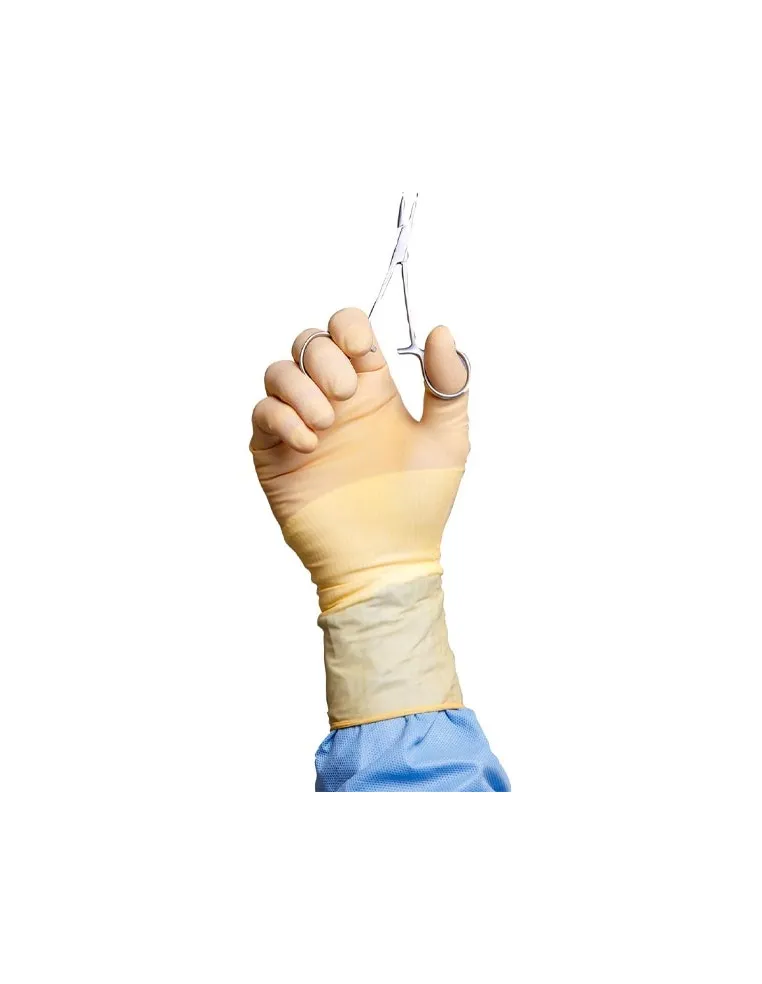
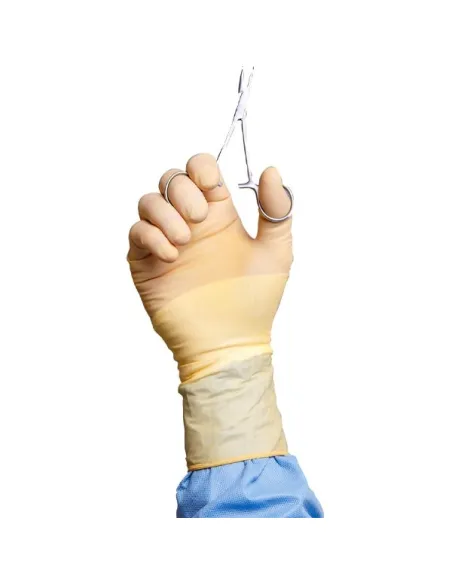


The Protexis Size 7.5 Disposable Surgical Gloves represent an ideal solution to ensure safety, hygiene and comfort during surgical procedures. Made from high-quality material, these gloves offer an effective protective barrier against cross-contamination and infection, thanks to their waterproof construction and resistance to tears and punctures. The contoured anatomical design allows the glove to adapt perfectly to the hand, facilitating tactile sensitivity and dexterity in movements, a fundamental factor for precision operations. The smooth and homogeneous surface ensures an excellent grip on surgical instruments, while the rolled edge allows for an easy and secure fit, reducing the risk of accidental rolling. The neutral color allows you to easily highlight any foreign substances or perforations during use.
These gloves are disposable, designed to be worn only once and subsequently discarded, thus guaranteeing the highest hygiene standards required in hospital and healthcare settings. Size 7.5 is particularly suitable for medium-sized hands, offering a comfortable fit that minimizes finger and palm fatigue even after prolonged use. Thanks to the production with dust-free materials, they are also particularly suitable for people subject to skin sensitivity or allergies, improving comfort during long operating sessions. The single packaging promotes the integrity of the product and facilitates its distribution and storage in the operating room or clinic.
The use of Protexis Size 7.5 Disposable Surgical Gloves therefore contributes significantly to the creation of a sterile environment, minimizing the risk of post-operative infections for both healthcare personnel and the patient. The use of these gloves is recommended in all procedures that require maximum hygienic control, from direct contact with patients to the handling of surgical instruments.
Therapeutic Indications
Protexis Size 7.5 Disposable Surgical Gloves are designed to ensure the protection of healthcare personnel and patients during surgical, medical and diagnostic procedures where there is a risk of contact with blood, biological fluids or potentially infectious materials. They find wide application in the operating room, during invasive operations, in the management of open wounds, in the insertion of medical devices and in all situations where a sterile environment is required. Fundamental for the prevention of nosocomial infections, they serve both to prevent staff from transmitting pathogens to the patient and to protect the wearer from possible involuntary exposure.
Thanks to their barrier characteristics, disposable surgical gloves are indispensable not only in the field of general surgery, but also in specialties such as orthopedics, cardiac surgery, neurosurgery, gynecology, dentistry and in all interventional disciplines. They are also used in the treatment and dressings of immunocompromised patients, to further minimize the risk of contamination. Usable both in hospitals and in laboratories, they guarantee high safety and hygiene even during the handling of potentially contaminating substances, in the preparation of samples or in special waste disposal activities, thus expanding their field of use well beyond the operating room.
Composition
Material: These gloves are made of high quality materials designed specifically for surgical use, generally in natural latex or in a powder-free synthetic blend to minimize the risk of allergy. The absence of lubricating powders helps maintain greater purity of the operating field, avoiding contamination during sensitive operations.
In addition to the main material, additives are used in the formulation that give elasticity, resistance and good tactile sensitivity. The internal surface can be lightly treated to make it easier to put on, while the external one remains smooth or with a light texture to increase the grip on the instruments, without compromising the sensitivity of the hands.
For their creation, only selected components are chosen, free of phthalates or other potentially toxic agents. The manufacturing technology ensures homogeneous thickness and the absence of micro-holes, guaranteeing a continuous and long-lasting protective barrier. All materials meet rigorous biocompatibility standards and are subjected to advanced sterilization processes, ensuring a product free of pathogens and suitable for even the most sensitive subjects.
Contraindications
Surgical gloves, although representing a fundamental tool for the prevention of infections and contamination, have some contraindications to take into consideration. The use of natural latex gloves can cause allergic reactions, both contact and systemic, in predisposed people. In subjects allergic to latex, it is advisable to opt for synthetic versions without latex to avoid skin manifestations such as erythema, itching and swelling or, in more serious cases, systemic reactions such as anaphylaxis.
Prolonged and continuous use of gloves, especially in the absence of correct hand hygiene before putting them on, may be associated with the appearance of skin irritation, sweat or maceration dermatitis. Reusing disposable gloves or wearing damaged gloves is not recommended, as the level of protection guaranteed by the intact structure of the product is lost. In case of visible injury or sensation of barrier compromise, replace the glove immediately.
Use on damaged skin or skin affected by acute dermatological pathologies must be carefully evaluated, since the materials, despite being biocompatible, could accentuate any discomfort or inflammatory processes. Consult your healthcare professional in case of doubts or unwanted reactions.
Safety of the drug for the species
The choice of materials, accurate sterilization and the highly controlled production process make Protexis Surgical Gloves extremely safe for healthcare use, drastically reducing the risk of transmission of infectious diseases between operators and patients. To maximize safety, the gloves are individually packaged in aseptic mode, thus preventing contamination before use.
The safety levels guaranteed by the product meet all international standards, allowing the use of gloves in major and minor surgical procedures without limitations. Any perspiration phenomena are minimized thanks to the balanced thickness of the membrane, which avoids both accidental breakage and discomfort from prolonged sweating, thus helping to maintain the operator's well-being during complex interventions.
Compliance with these safety levels also allows for a reduction in post-operative infections. Continuous checks on tightness, elasticity and absence of micro-holes are an integral part of the product quality system, ensuring that each glove complies with the criteria set by the medical device regulatory authorities.
Precautions
Before wearing surgical gloves it is always advisable to wash your hands thoroughly and dry them correctly, to avoid the proliferation of bacteria or the onset of skin irritation. It is also recommended to wear and remove gloves following precise protocols to limit cross-contamination between the environment, operator and patient.
Do not use gloves if the package appears damaged: sterility could be compromised. Once worn, avoid contact of the gloves with non-sterile surfaces and change them immediately in case of accidental contact with materials or environments that do not comply with the required hygiene procedures. Do not use gloves for purposes other than medical use and do not store them in places exposed to heat, direct light or humidity.
It is important to remove gloves and dispose of them correctly after each use, according to the provisions for medical devices contaminated by organic materials, avoiding the risk of contamination for other operators or patients. After removal, wash your hands to always ensure a very high standard of hygiene.
Method of administration
Wearing Protexis Size 7.5 Surgical Gloves requires some simple precautions to ensure maximum protective effectiveness. Remove the glove from the sterile packaging only at the time of use, avoiding touching the external surfaces before putting it on. Place the glove on your hand, starting from the fingers and making it adhere to the wrist, avoiding creases or excessive tension which could compromise its resistance.
Make sure the glove fits well but not too tight, to maintain full sensitivity and freedom of movement. If it is necessary to wear two pairs of gloves for particularly delicate procedures, make sure your hands are completely dry between one change and the next. In case of accidental breakage or perforation during the operation, replace the damaged glove immediately to maintain the sterility of the field.
Never reuse gloves after the first use: designed for single use, they must be disposed of immediately after the procedure, following company hygiene and safety protocols. Repeat the procedure every time you change patients or activities.
Treatment program
The use of Protexis Size 7.5 Disposable Surgical Gloves must follow an application program based on the specific procedures established in the healthcare facility. Always wear a new pair of gloves before any intervention or invasive procedure, when handling sterile devices or in contact with immunosuppressed patients. Schedule immediate replacement if there is any compromise to the protective barrier or if the glove becomes excessively dirty.
In hospital facilities with a high risk of cross-infection, evaluate the use of double gloves or their replacement more frequently even during prolonged or particularly complex interventions. During outpatient activities, provide substitution between one patient and another to ensure high hygiene standards. In the case of handling chemical agents or chemotherapy drugs, check the compatibility of the materials before continuously using the gloves.
Constantly train staff on the importance of the correct use of personal protective equipment, within a broader infection prevention and control program.
Target species
Disposable product intended exclusively for human use, in particular for healthcare personnel, doctors, surgeons, nurses, assistants and all those who need to guarantee maximum safety and hygiene standards during clinical, surgical and diagnostic activities. Use on animals or in non-healthcare environments is not included in the intended use of the device.