Product Description
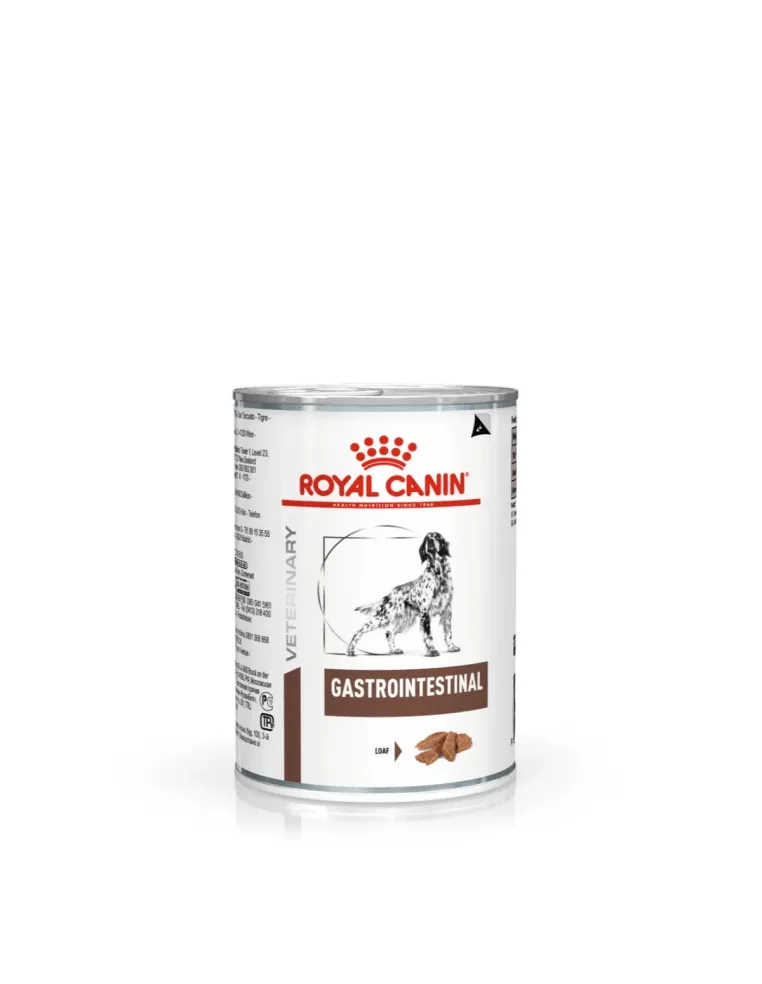
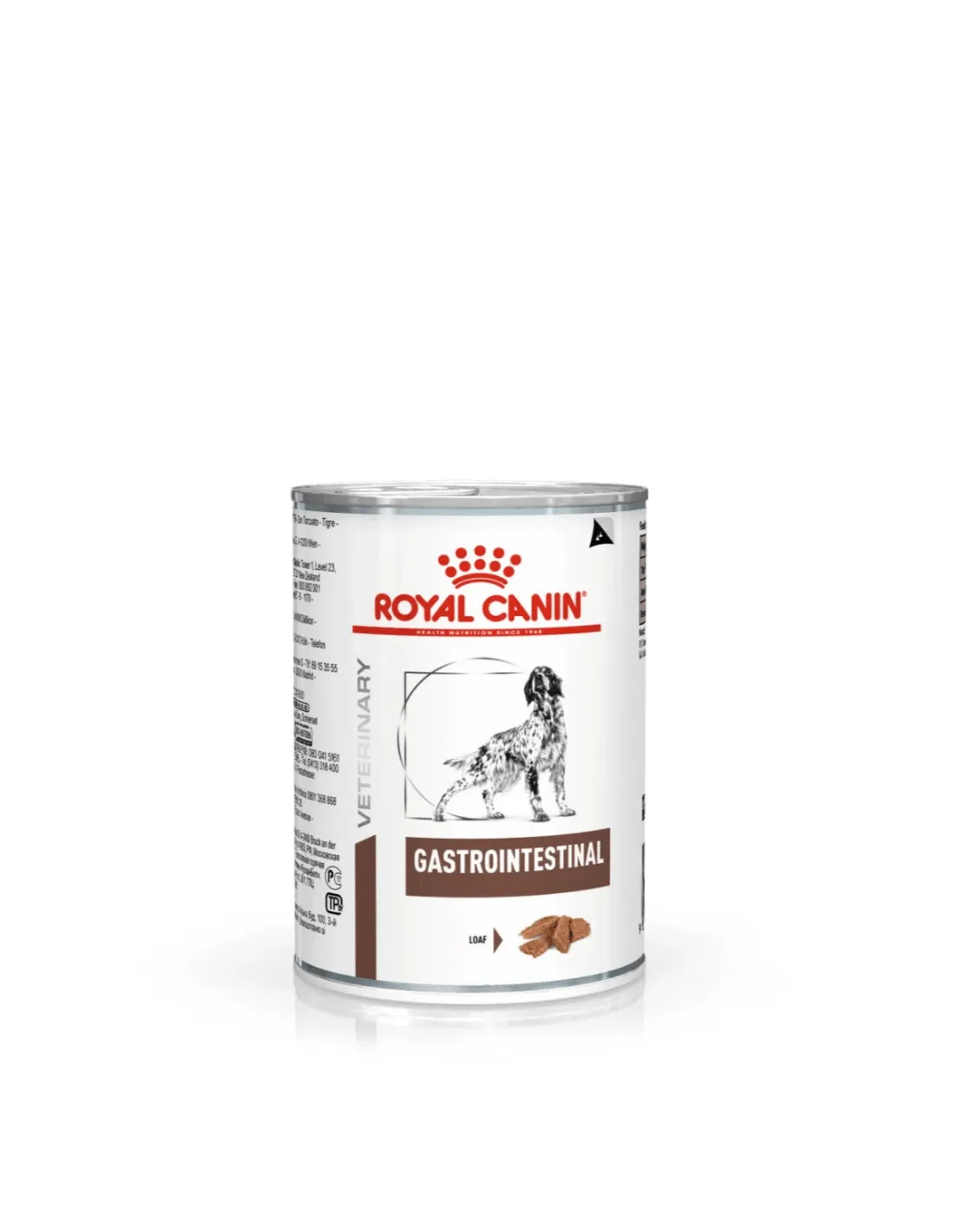
Royal Canin Dog Diet GastroIntestinal is a wet pate food for dogs, packaged in practical 400g cans. This product has been carefully formulated to provide targeted nutritional support for dogs with specific dietary needs related to gastrointestinal health. Its composition has been designed to ensure easy digestibility and to help reduce any intestinal disorders. The pate consistency makes this food particularly appetizing, even for the most demanding dogs or those with reduced appetite due to digestive problems.
Gastrointestinal health is crucial to your dog's overall well-being and an adequate diet plays a key role in maintaining the balance of intestinal flora and ensuring proper digestive function. Royal Canin Dog Diet GastroIntestinal was developed with the aim of satisfying these needs, providing a food that not only nourishes but actively contributes to the maintenance of digestive health.
Key Benefits
Royal Canin GastroIntestinal Pate offers numerous benefits for your dog's health, thanks to its balanced formula and high-quality nutrients. Key benefits include supporting intestinal mucosal repair, regulating intestinal transit and maximizing nutrient absorption. Furthermore, the ingredients were selected for their ability to reduce the workload of the digestive system, thus facilitating digestion and contributing to better stool quality.
The formula of this food is enriched with prebiotics, which help maintain the balance of the intestinal flora, and with omega-3 fatty acids, known for their anti-inflammatory properties, which can help reduce inflammation in the intestine. This integrated approach to nutrition supports not only digestion, but also the dog's overall health, helping to improve the quality of life of your four-legged friend.
Therapeutic Indications
Royal Canin Dog Diet GastroIntestinal is indicated for dogs suffering from gastrointestinal disorders such as gastritis, enteritis, colitis, chronic inflammatory intestinal diseases, maldigestion, malabsorption, convalescence or other conditions that require an easily digestible diet. It is also suitable for the management of conditions such as pancreatitis or acute and chronic diarrhea.
This food can be used under the supervision of a veterinarian as part of an overall therapeutic approach, which may include medications and other treatments, to manage gastrointestinal conditions. It is important to consult your veterinarian before starting any therapeutic diet to ensure it is appropriate for your dog's specific needs.
Composition and Ingredients
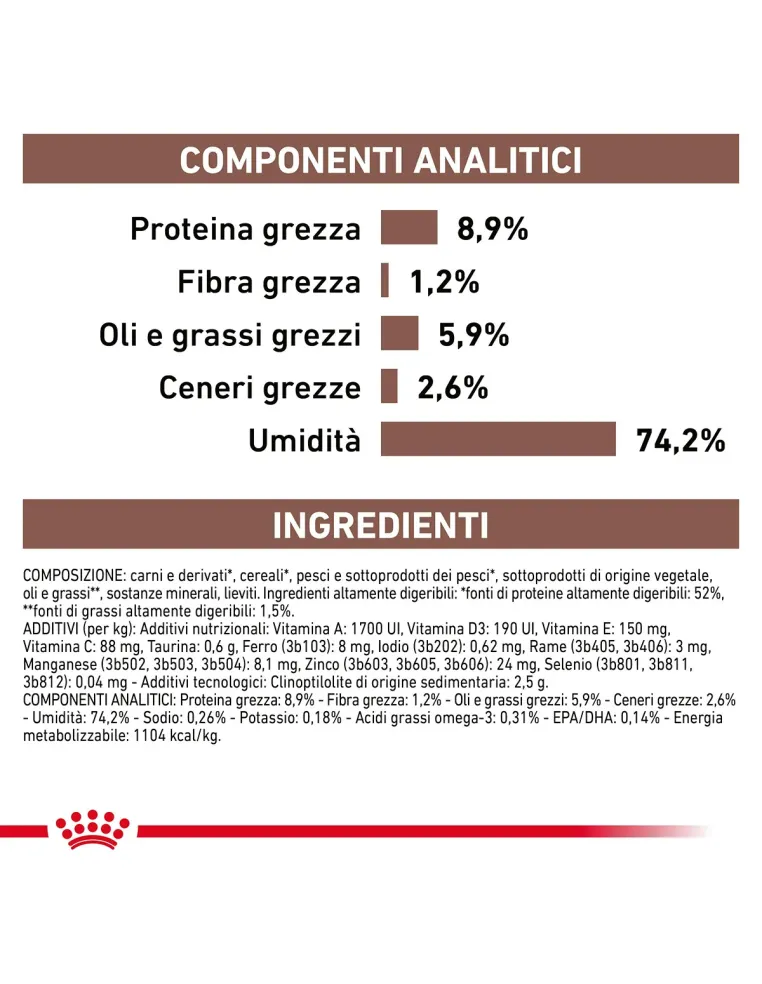
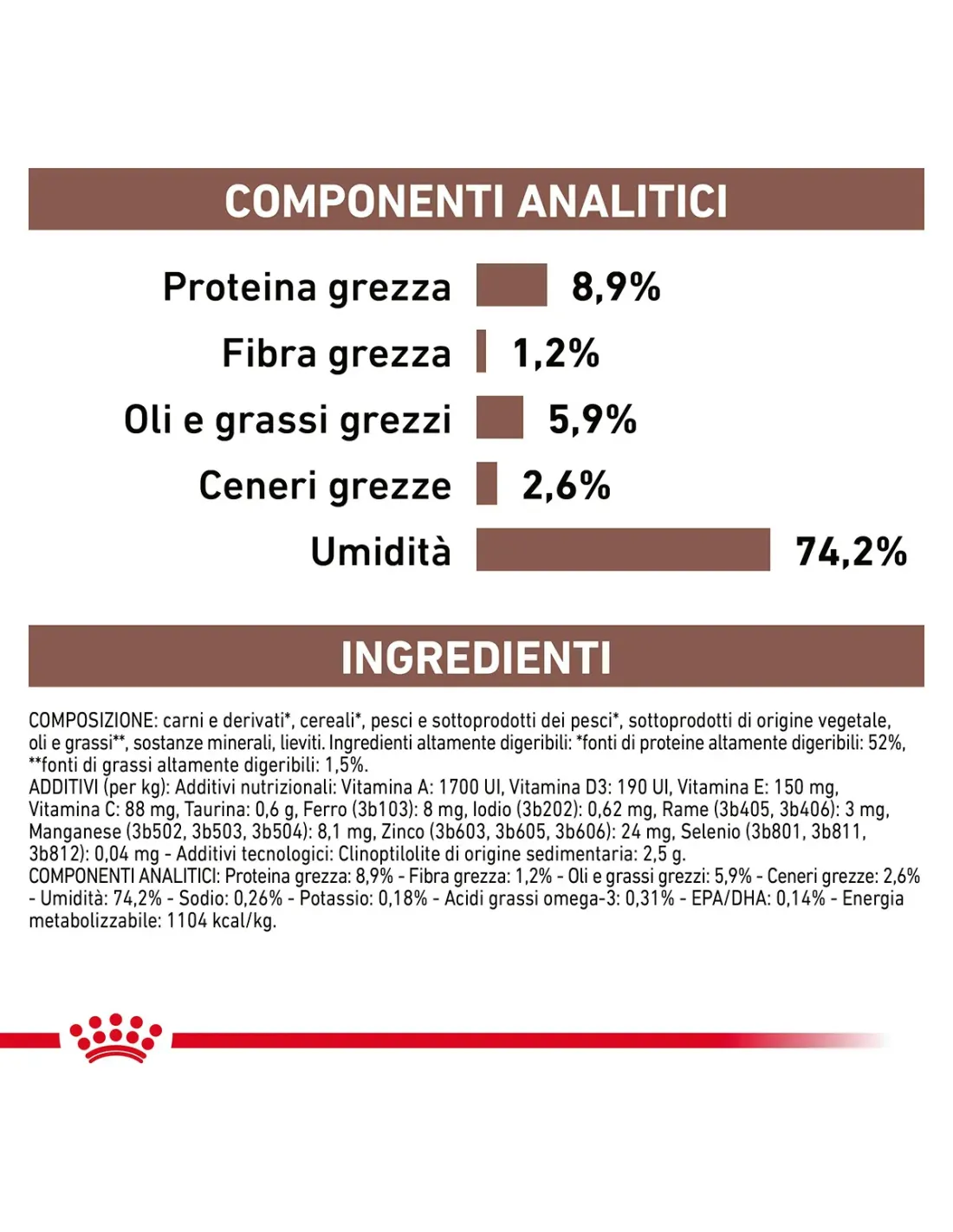
The composition of Royal Canin Dog Diet GastroIntestinal has been carefully balanced to provide all the necessary nutrients in an easily digestible form. The main ingredients include high quality proteins, easily digestible carbohydrates, an adequate level of fiber to regulate intestinal transit and an adapted fat profile to guarantee energy intake without overloading the digestive system.
The specific ingredients and detailed composition are available on the product packaging and can be consulted to ensure they meet your dog's dietary needs. It is important to note that this food has been formulated to minimize the risk of allergic reactions or food intolerances.
Method of Administration
To obtain the best results from the Royal Canin Dog Diet GastroIntestinal diet, it is advisable to follow the veterinarian's instructions regarding the daily amount to be administered, which may vary based on the weight, age and health condition of the dog. The food can be administered directly from the can or mixed with water to facilitate ingestion in dogs with reduced appetite.
It is important to ensure that your dog always has fresh, clean water available. Furthermore, for dogs with gastrointestinal problems, it may be useful to divide the daily ration into several small meals to reduce the load on the digestive system.
Precautions and Warnings
When administering a therapeutic diet such as Royal Canin Dog Diet GastroIntestinal, it is essential to monitor your dog's response and consult your veterinarian regularly to evaluate the effectiveness of the diet and make any adjustments. It is not advisable to change diet or feed other foods without veterinary advice, as this may interfere with the treatment of gastrointestinal conditions.
In the event of adverse reactions or failure to respond to the diet, it is important to contact your veterinarian for an evaluation and to discuss possible alternatives or adjustments to the diet.