Shopping Cart
There are no more items in your cart
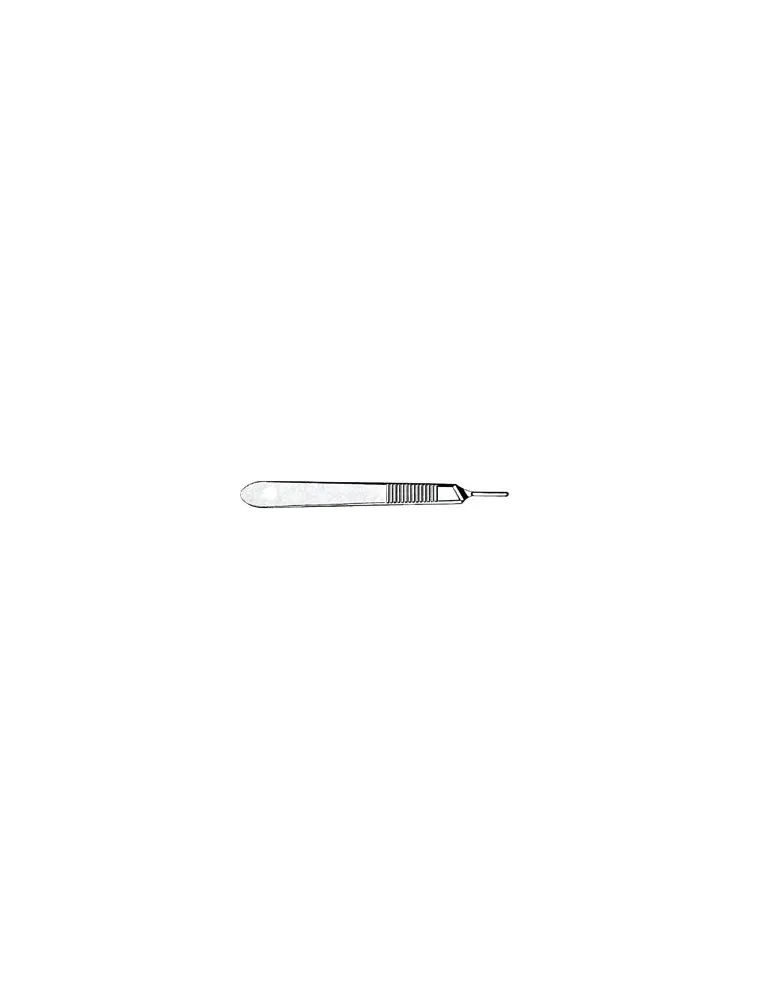
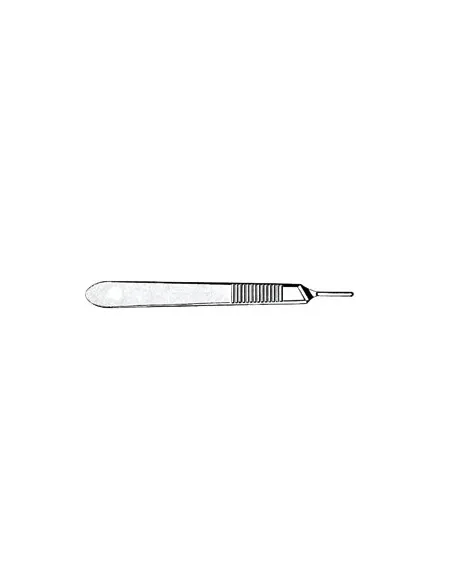


The Number 3 Scalpel Handle is a veterinary surgical instrument designed to ensure high precision in cuts and incisions during numerous veterinary interventions. Thanks to its ergonomic design, it offers a safe and comfortable grip during both short and prolonged procedures, avoiding fatigue of the operator's hand. The handle is made of high quality stainless steel, resistant to corrosion and easily sterilizable, to ensure maximum safety and hygiene in veterinary practices. Ideal for clinics, clinics and veterinary hospitals, it proves to be an essential tool for those who need precision and reliability during small and medium-sized surgical operations on animals of various sizes. Compatible with standard scalpel blades of suitable size, the handle facilitates rapid assembly and disassembly of the blades, reducing operating times and increasing the effectiveness of the operation. The balance between robustness and ease of handling allows you to face both routine interventions and more complex operations in the veterinary field with serenity.
Therapeutic Indications
The Number 3 Scalpel Handle is primarily used during veterinary surgeries requiring precise incisions on soft tissue. An indispensable tool in procedures such as abdominal, dermatological, orthopedic surgery and in surgical emergencies, it responds optimally to the needs of veterinary surgeons who must perform precision cuts on both small and medium-sized animals. It is also suitable for biopsies, mass removals, suturing operations and sterilization procedures. The use of the scalpel guarantees a clear separation of the tissues, minimizing the risk of damage to the surrounding areas. Its compatibility with different types of blades makes the handle versatile even for specialist interventions such as microsurgery or operations in restricted anatomical spaces. The use of the Number 3 Scalpel Handle is indicated both in daily outpatient practice and in emergency procedures, guaranteeing optimal control of the cut and promoting faster healing of the treated tissues.
Composition
The Number 3 Scalpel Handle is made entirely of medical stainless steel, a material selected to guarantee durability, high resistance to corrosion, and maximum sterilizability. The instrument has a smooth, porosity-free surface, which prevents the accumulation of residues and facilitates disinfection after each use. The design includes a non-slip knurling in the grip area to ensure maximum stability when cutting even with wet gloves or in the presence of biological liquids. Furthermore, the pure steel composition prevents the formation of oxide or other surface alterations after numerous autoclave sterilization cycles, always maintaining the integrity, robustness and sharpness of the surfaces in contact with the blade. All the materials used are biocompatible, therefore totally safe for use on pets and livestock. The careful surface treatment also guarantees a professional appearance and a long operational life of the instrument.
Contraindications
There are no specific contraindications relating to the use of the Number 3 Scalpel Handle, provided that it is used by trained and qualified veterinary personnel. However, improper use, application of excessive pressure or use with incompatible blades can cause damage to animal tissue or compromise operator safety. Its use is not recommended in case of structural defects, alterations of the material or presence of signs of wear that could compromise the stability of the blade assembly. Do not use the instrument if not perfectly sterilized, to avoid the risk of cross-infection between different patients. The use of the handle is contraindicated if there are breaks, bends or malfunctions found following pre-operative inspections. In the presence of particularly agitated animals or in conditions that may make containment difficult, it is advisable to evaluate different solutions to avoid injuries to both the animals and the operator.
Safety of the drug for the species
The Number 3 Scalpel Handle, being an instrument and not a drug, does not present pharmacokinetic or pharmacodynamic problems. However, from a safety point of view, it is essential to ensure that the instrument is handled only by veterinary medical personnel trained in the use of sharps and in the conduct of surgical procedures. The stainless steel structure ensures that there are no releases of harmful substances during contact with animal tissues. After each use, correct cleaning, disinfection and sterilization is recommended, in order to avoid the transmission of pathogenic microorganisms from one patient to another. The use of the scalpel handle must always be preceded by a careful check of the structural integrity, and the instrument must be replaced in case of damage. It is necessary to strictly follow the safety procedures both when assembling and dismantling the blade, to prevent accidents or accidental cuts to the operator.
Precautions
To ensure maximum safety when using the Scalpel Handle Number 3, it is essential to take all the necessary precautions for both the protection of the animal and the operator. Before use, always check the perfect cleanliness and sterility of the handle, checking for the absence of residues, oxides or imperfections that could contaminate the surgical site. The operator must wear personal protective equipment, such as sterile gloves and a mask, and handle the instrument with caution, following the protocols for the disassembly and safe disposal of the blades. After each use, proceed with complete decontamination of the instrument, following the facility's internal guidelines or biosafety regulations. It is not advisable to leave the instrument unattended or within the reach of unqualified personnel. Furthermore, use on multiple animals without appropriate sterilization involves serious risks of cross-infection, therefore cleaning must be rigorous and documented between one operation and another.
Method of administration
The correct use of the Number 3 Scalpel Handle involves, as a first step, carefully inserting the compatible blade, making sure that it is secure and correctly positioned to avoid unwanted movements during cutting. The instrument should always be handled with the utmost care, holding the knurled part for maximum control and stability. During the surgical procedure, it is essential to maintain adequate pressure to ensure a precise incision, avoiding excessive efforts that could cause inadvertent injuries or slips. At the end of the operation, the blade must be removed following safety protocols for correct disposal. The handle must be sanitized immediately after each use, by immersion in a detergent solution, rinsing and subsequent sterilization in an autoclave or with other suitable systems. Forcing maneuvers during both application and removal of the blade are not recommended, to avoid damaging the instrument.
Treatment program
The Number 3 Scalpel Handle is chosen as the usual instrument in various veterinary surgical procedures, inserting the appropriate blade based on the type of operation and the animal species. The frequency of use depends on the volume of interventions carried out in the structure, but each use must always be followed by careful cleaning and sterilization. In veterinary facilities, it is good practice to have multiple units to deal with emergency surgical situations or multiple procedures on different animals. The adoption of a correct maintenance protocol guarantees the durability and safety of the instrument. A periodic inspection of the state of wear should always be carried out (at least once a month), with possible replacement if sagging, creases or alterations are found. The handle can be used daily, as long as the correct management of the cleaning, disinfection and sterilization phases between each use is respected.
Target species
The Number 3 Scalpel Handle is designed for use on a wide range of animal species, including dogs, cats, exotic animals and livestock such as small ruminants. The versatility of the instrument makes it suitable both for surgical operations on small animals, where particular precision is required, and for those on large animals with more extensive and deeper surgical procedures. Essential for surgeons and veterinary operators in surgeries, veterinary clinics, hospitals and emergency rooms, it is also a recommended instrument in specialist surgery departments that require reliable and easily sterilizable accessories. Suitable for both pet and production animal veterinary medicine, it ensures very high level performance in all clinical and surgical contexts where high cutting precision and safety for patient and operator are required.