Shopping Cart
There are no more items in your cart
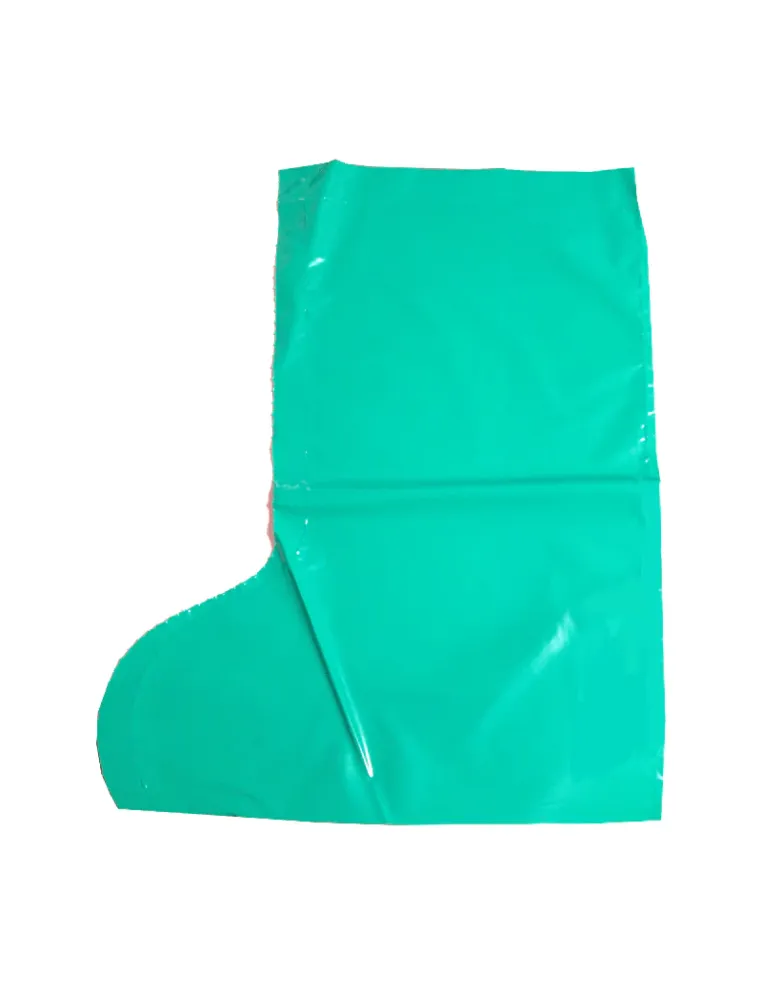


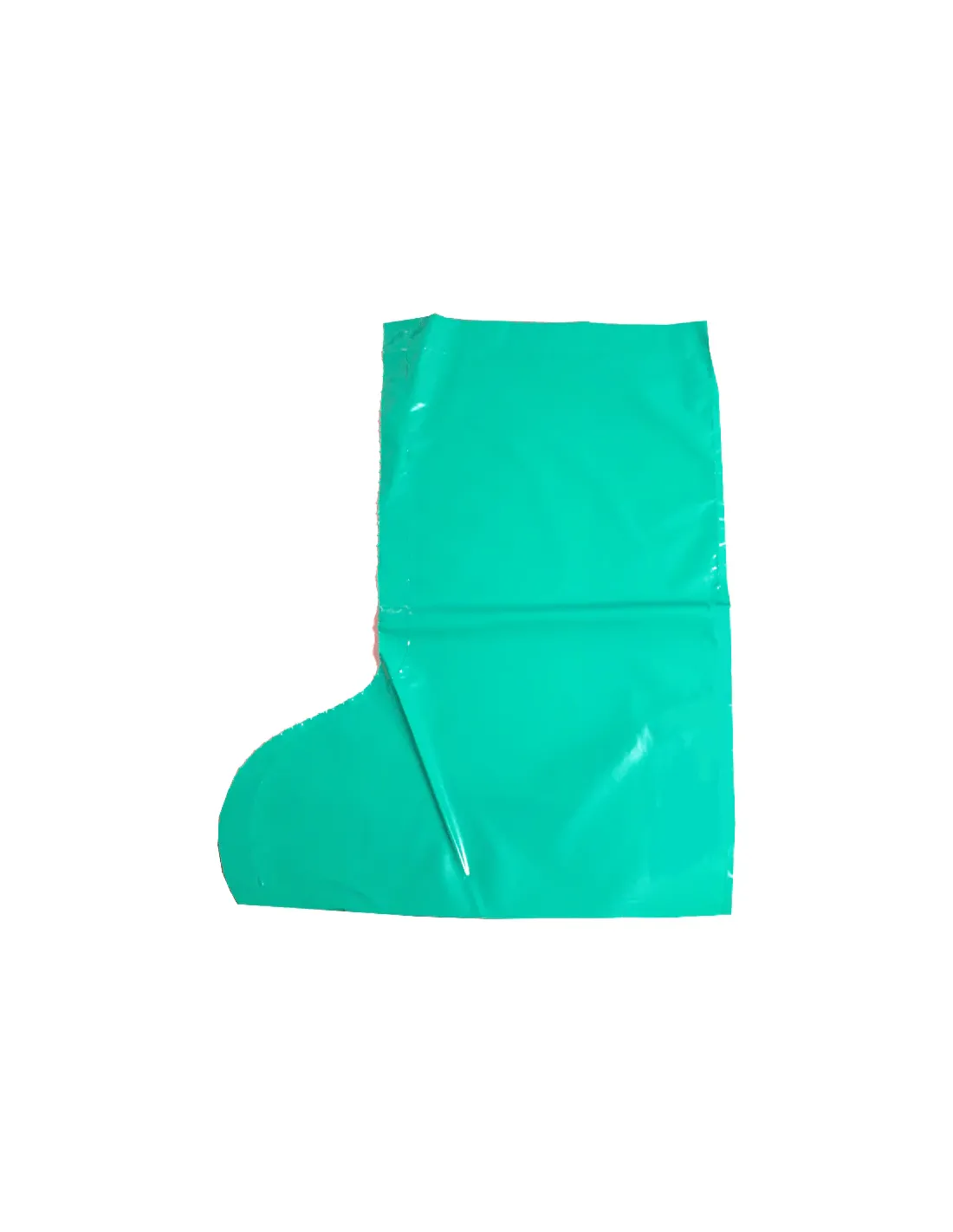
Heavy Zootechnical Shoes are designed to offer superior protection of the operator's foot and footwear within livestock environments, farms, stables, dairies and areas subject to contamination by sewage, mud or chemical agents. The package contains 100 pieces which guarantee a sufficient supply for the daily needs of farms, food industries or environments where you want to maintain high hygiene and safety standards. The heavy shoes, made of highly resistant materials, are disposable and easy to put on quickly in emergency situations, inspection visits or during ordinary cleaning and animal treatment operations. The universal format allows for a fit that can be adapted to different types of footwear, even heavy and bulky ones such as work boots, offering comfort and safety to the operator during the entire work shift.
These shoes contribute significantly to containing the spread of pathogens and microorganisms between one environment and another within livestock facilities. Due to their waterproof nature and reinforced structure, they are particularly suitable for prolonged and intensive use. The color and consistency allow you to easily identify any breakages or failures, always guaranteeing maximum reliability. The non-slip surface promotes walking in damp or slippery places. Using these devices facilitates compliance with current health and hygiene regulations and protects operators, animals and food products along the entire production chain.
Directions for Use
Heavy Zootechnical Shoes are suitable for all operations in which it is essential to avoid cross-contamination between environments, such as farms, stables, milking, processing of animal products or dairies. They are ideal for anyone who works in spaces at risk of exposure to organic substances, and are frequently used during vaccination operations, veterinary visits, inspections and technical interventions. The use of footwear allows you to strictly comply with the biosafety protocols required to prevent the spread of pathologies between different animal groups or to and from the outside. Within agricultural companies, the adoption of disposable shoes is often mandatory when moving between departments or accessing quarantine areas.
Even for the visit of external personnel such as transporters, veterinarians or inspectors, the use of heavy zootechnical shoes guarantees the protection of the animals' health and the safeguarding of their own safety. The use of these devices limits the deposit of organic material or potentially infectious residues in production areas. In food industrial environments, they are essential to avoid contamination of the production processes or of the food itself. The widespread use in the daily cleaning and disinfection of livestock facilities demonstrates the central role of these PPE in the management of health risks.
Composition
Heavy zootechnical shoes are generally made of high density polyethylene or plastic materials with characteristics of high strength and increased thickness compared to standard disposable shoes. This composition gives them superior rigidity, essential for resisting wear and continuous stress resulting from walking on abrasive, cemented or slippery surfaces typical of livestock environments. The materials used are resistant to chemical agents that can be found in detergents and disinfectants commonly used for the sanitization of stables and production departments.
The closure is generally made using reinforced elastic bands or lace systems in the upper part, to guarantee perfect adherence to the calf and prevent slipping or leakage of liquids and contaminants inside. The lower surface often has micro embossing or non-slip reliefs, which allow it to maintain stability even on wet or dirty floors. All materials are latex-free and highly tolerated by individuals with specific allergies. The composition of the socks makes disposal easier after use in compliance with current regulations on medical waste.
Contraindications
Heavy Zootechnical Shoes are designed for universal use, but may present limitations in situations where specific protective devices are required for extreme chemical risks or for working conditions with very high temperatures. They must not be reused, washed or treated with aggressive solvents which could compromise the structural integrity of the material. They are not suitable for surgical use or in sterile environments where disposable footwear certified for medical use is required.
Prolonged use could cause discomfort or excessive sweating in particularly sensitive subjects, especially if worn over non-breathable clothing. It is not advisable to use it on open shoes, sandals or footwear not suitable for industrial or livestock contexts, as the protection is designed to be placed on top of closed work devices. Not suitable for children or people with reduced mobility who could trip over the material. If skin allergies occur, discontinue use immediately and consult a doctor.
Safety of Use
To ensure maximum safety, it is important to wear Heavy Zootechnical Shoes only on dry and clean footwear. The adherence of the elastics to the leg reduces the risk of infiltration of dangerous liquids and limits contamination of personal clothing. Despite the reinforced structure, it is essential to visually check the shoe every time before use to make sure there are no tears, holes or defects that could compromise its protective function.
The use of footwear does not replace the mandatory PPE required by legislation on safety in the workplace (safety footwear, overalls, gloves, masks), but is integrated as a further barrier in the biosafety protocol. It is good practice to carefully remove footwear before leaving the contaminated environment, taking care not to touch the external surfaces with your hands or other parts of your clothing, thus limiting the accidental spread of infectious materials. Use and disposal must take place in compliance with company provisions and current regulations regarding medical and biological waste.
Precautions
Store the Heavy Zootechnical Shoes in the original packaging in a dry place and away from heat sources, direct sunlight and aggressive chemical agents before use. Avoid contact with sharp or pointed surfaces that could puncture or compromise the resistance of the material. After putting on the sock, make sure that the closure adheres well to the leg to avoid accidental movements or slipping. After use, the shoes must be disposed of according to company waste management guidelines, preferably in containers for potentially contaminated materials.
It is important to sanitize your hands after removing your shoes. Do not use in case of obvious breakage of the casing or in the presence of already damaged shoes. For restocking, it is advisable to constantly monitor the stock to avoid being without an essential device in daily operations. Do not use the socks in the presence of extreme weather conditions which could alter the material. If used in very cold environments, it is recommended to check the flexibility of the product before proceeding with work.
Instructions for use
Before accessing risk areas, remove a shoe from the package, always keeping the other hand clean to avoid contamination. Place the sock over the work shoe making sure that the entire surface of the shoe is covered. Secure the elastic or laces above the ankle or calf, depending on the type of shoe and your needs. Check that the lower part, equipped with small non-slip reliefs, is well adherent to the ground.
After use, proceed with removal, taking care not to touch the external area. Fold the sock on itself, trapping any contaminated material inside and eliminate according to the practices established by the company or by the regulations on the disposal of medical waste. In the case of frequent shifts between different environments, replace the shoes every time you move from one area to another, especially in the presence of sick animals or contaminated bedding. Wash your hands carefully after each shoe change operation.
Replacement program
In the livestock sector, the use of heavy disposable shoes must occur every time you enter or exit different operational areas to avoid the transmission of pathogens. The replacement frequency depends on the risk level of the work environment: in case of high contamination, it is advisable to change the shoes even several times in the same work shift. During activities that involve continuous passage between quarantine rooms, farrowing rooms or stables, always use a new pair for each access.
The adoption of a rigorous replacement program, supported by company procedures and adequate staff training, allows the potential spread of microorganisms to be drastically reduced. It is recommended to store supplies in strategic places, easily accessible and clearly identifiable at the entrance to each risk area. Frequent replacement of footwear, combined with the full use of other PPE, represents the best practice to safeguard animals and operators.
Target species
The Heavy Zootechnical Shoes are intended for all human operators who work or have contact with farm animals, livestock environments, production departments of food companies, agricultural and veterinary facilities. They provide effective protection regardless of the type of animals treated (cattle, pigs, sheep, goats, poultry, rabbits, etc.) and are also useful for external personnel, temporary workers, technicians or visitors who need to access facilities where it is essential to limit the spread of contaminants.
They do not have a direct effect on animal species, but constitute an essential measure of passive protection in the agro-zootechnical supply chain. Their use contributes to ensuring animal welfare, food safety and the protection of public health, in compliance with biosafety regulations applied at company or national level.