Shopping Cart
There are no more items in your cart
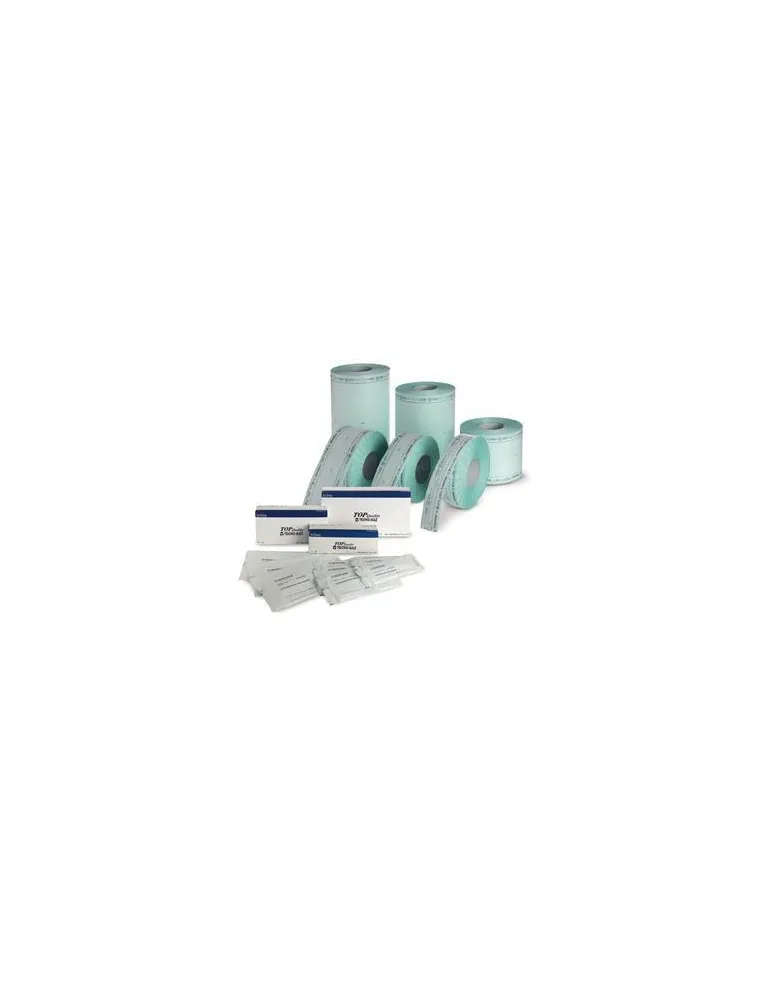
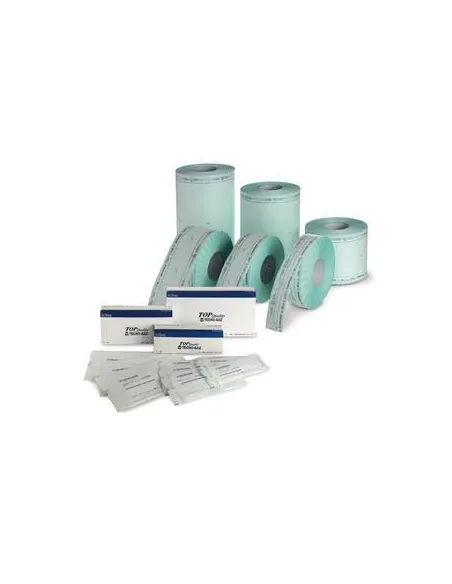


The Autoclave Bag 140x260 mm in a pack of 200 pieces is designed to offer a practical, reliable and effective solution for the packaging and sterilization of medical instruments and materials. These bags are made with high quality materials that guarantee maximum resistance during the sterilization cycle, ensuring complete protection of the contents from external agents and maintaining the integrity of the instruments until the moment of opening. They are particularly suitable for use inside steam autoclaves, making them suitable for medical and dental practices, clinics, veterinary clinics and laboratories. The practical welding of the sides ensures an effective seal against bacteria and other contaminants, while the medical paper side and the transparent plastic film side allow easy identification of the contents without the need to open the package.
The size of 140x260 mm is suitable for containing a wide range of small and medium sized instruments, such as tweezers, blades, small surgical instruments, dental devices and various accessories. The practical pack of 200 pieces allows for optimal warehouse management, speed in daily sterilization processes and reduces the risk of sudden stock exhaustion. The bag is equipped with color indicators that color during the sterilization process, offering immediate visual feedback on the correct execution of the cycle. The envelopes are disposable and can be easily disposed of after use, offering not only safety but also organizational convenience in the various work flows.
Therapeutic Indications
The use of the 140x260 mm Envelope Autoclave is essential for the prevention of cross-infections in the healthcare sector, ensuring that all instruments subjected to sterilization are kept sterile until used. These bags are essential in all those situations where it is necessary to guarantee the safety of the patient and the operator, eliminating the risk of bacterial, viral or fungal contamination. They are suitable for the packaging of devices and materials that must come into contact with tissues, mucous membranes or wounds, as in the case of surgical and dental procedures, laboratory analysis and veterinary activities.
The bags can be used both for the temporary storage of sterile instruments and for safely transporting them between various departments or operational locations. Their use is particularly important during surgical operations, outpatient procedures, preparation of complex instruments or during sampling and analysis phases, where asepsis represents an essential condition. The 140x260 mm format can also be used for the storage of small assembled surgical sets, which must be sterilized together and used quickly, thus optimizing the management of instruments in medical or veterinary work dynamics.
Composition
The 140x260 mm Envelope Autoclave is made with a selection of materials designed to guarantee maximum effectiveness in steam sterilization. It has one side in high-weight medical paper, designed to resist humidity and the high temperatures of autoclaves, preventing any breakage, laceration or infiltration during and after the sterilization cycle. The opposite side is made of a transparent polypropylene or polyester film, resistant to thermal shock and perfectly sealable, which allows the operator to visually check the contents without opening the package.
There are thermosensitive chemical indicators inserted on the bag itself, which react to the heat by changing color (usually from pink to brown or from blue to black) only after reaching optimal sterilization conditions. The side seals are robust, guaranteeing the airtightness of the bag and protection from contaminants until opening. All the materials used are latex-free and comply with current health regulations, to reduce the risk of allergies and ensure a safe sterilization process.
Contraindications
The 140x260 mm bag autoclaves, although constituting an essential safety device, have some contraindications and limitations of use that must be taken into consideration to guarantee the complete effectiveness of the sterilization. They must not be used for the sterilization of material that does not tolerate the humidity or temperatures typically reached by the autoclave, such as some instruments made of heat-sensitive plastic, or electronic materials not specifically suitable for steam sterilization.
The use of the bag is contraindicated if it is damaged, damp, broken, torn or with compromised seals, as this would nullify the effectiveness of the protective barrier offered. Likewise, it is not recommended to reuse the bag: it is a single-use product and any attempt to reuse involves the total loss of protection against contamination. Pouches should not be exposed to extreme storage conditions (direct sunlight, excessive humidity or heat) that could alter the materials or affect the functionality of the chemical indicators.
Safety of the drug for the species
The use of 140x260 mm autoclave bags in the management of instrument sterilization guarantees high safety for both patients and healthcare workers. These pouches are designed to keep instruments sterile until the package is opened, significantly reducing the risk of infections transmitted via contaminated instruments. The transparency of the plastic side also allows a visual check of the state of the instruments, useful for avoiding errors or useless manipulations that could compromise sterility.
The materials used are free of allergenic substances and are subject to rigorous quality controls, in order to ensure total safety of use regardless of the frequency of use. The devices comply with community and international standards regarding barrier medical devices for sterilization (EN and ISO standards), thus offering additional guarantees on safety for all animal and human categories involved in direct or indirect contact with the bag or its contents. However, it is important to regularly check the expiry date of the sachet and the correct activation of the sterility indicator after each cycle.
Precautions
Before use, it is essential to check the integrity of the envelope: envelopes with holes, cuts or colorimetric alterations in the plastic material or paper must not be used. It is also necessary to avoid overloading the bag beyond its capacity, as this could compromise the sealing strength and the complete penetration of the sterilizing steam. Each instrument must be carefully cleaned and dried before being placed inside the bag, to avoid the formation of moist residues that could cause corrosion or proliferation of microorganisms after sterilization.
Full bags must be handled with care to avoid mechanical stress during transport or storage which could cause invisible micro-breaks. Handling after the sterilization cycle must be done with clean hands or wearing sterile gloves to prevent accidental contamination. Always store the envelopes in a cool, dry place, away from dust, contaminating liquids and direct sunlight.
Method of administration
The preparation of the instruments before packaging involves cleaning and careful drying. After inserting the objects inside the bag without ever overloading the contents, it is necessary to seal the bag using a heat sealer or follow the specific instructions if the bag is equipped with a self-adhesive. Place the bag inside the autoclave, taking care not to fold it so as not to compromise the effectiveness of the closure or the visibility of the sterilization indicator.
After the cycle, remove with sterile forceps or clean gloves and leave to cool in a controlled environment. The envelopes must be opened exclusively at the time of use of the instrument, avoiding unnecessary early opening which would lead to loss of sterility. After use, dispose of the bag as medical waste according to current regulations.
Treatment program
To maintain high hygiene standards, it is recommended to sterilize all instruments that will come into contact with patients or biological materials using new bags for each cycle. The 140x260 mm Autoclave bags must be used whenever sterile reconditioning of small and medium-sized instruments is necessary before each use. The frequency of treatment depends on the operational needs of each facility: in surgical departments, sterilization cycles can be performed several times a day, while in clinics or diagnostic centers they could be scheduled weekly or based on the actual use of the instruments.
It is recommended to arrange for the storage of sterilized instruments in protected environments, to correctly label the sterilization date and to follow a stock rotation system to ensure the use of bags that are still fully effective. In case of doubt about the conservation or integrity of the material, it is preferable to repeat the sterilization process with a new bag to always guarantee maximum safety.
Target species
The 140x260 mm Bag Autoclave is mainly intended for use in the human and veterinary field, adapting to the sterilization needs of medical-surgical, dental, laboratory, outpatient and animal care instruments. It is suitable for small-medium sized devices that must remain sterile until use, ensuring protection from infectious risks both in human healthcare environments and in the veterinary sector or in research.