Shopping Cart
There are no more items in your cart
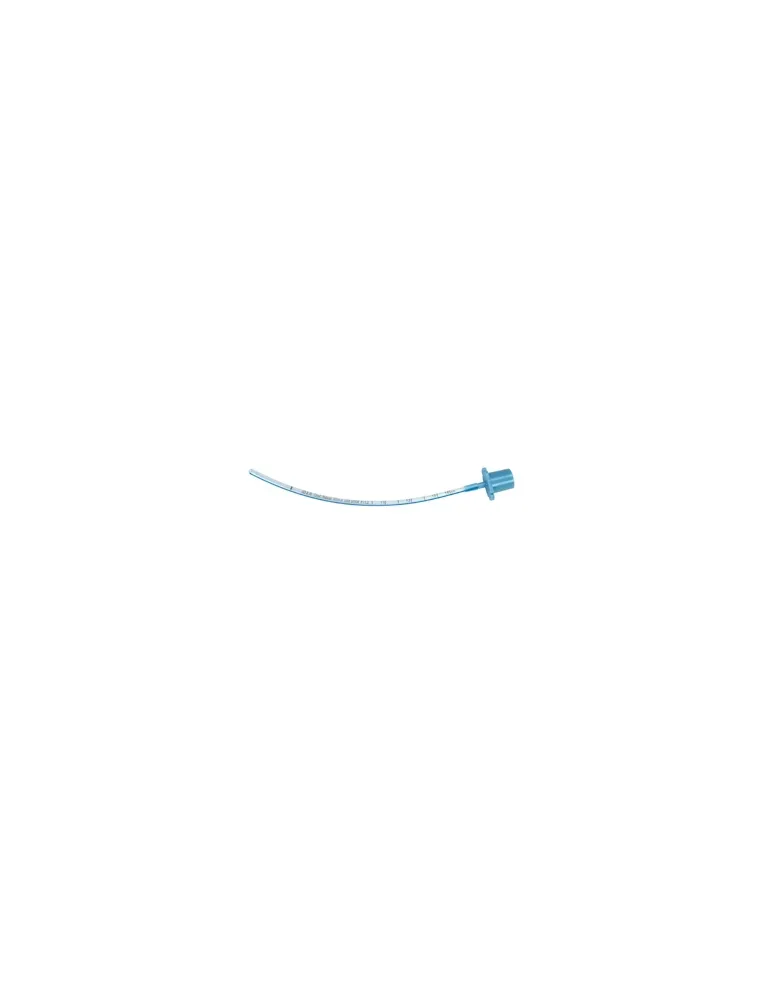
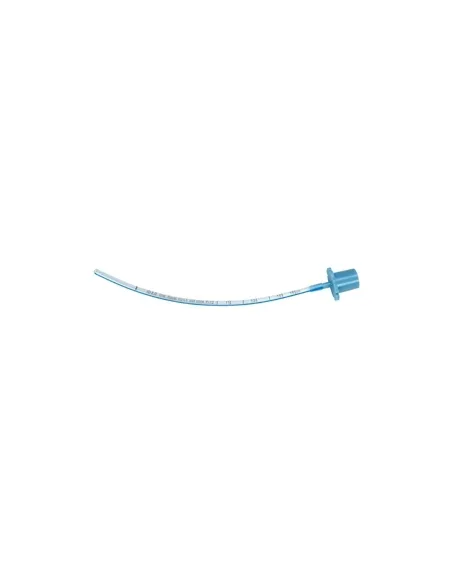


The 2mm Tracheotube is a veterinary device designed for the management of the airway in small animals. Thanks to its thin structure and adequate length, it allows you to ensure effective ventilation during surgery, anesthesia or other critical situations where it is necessary to maintain a patent airway. The compactness of the caliber, equal to 2 mm, makes it ideal for small animals such as puppies, kittens, rodents and other delicate specimens, while ensuring safety and ease of insertion.
The design of the tube has been studied to minimize trauma to the mucous membranes of the respiratory tract, offering comfort to the patient and maximum convenience for the operator. The high quality medical material with which it is manufactured ensures resistance to bending, preventing accidental crushing during handling. The integrated adapter allows quick connection with circuits for mechanical or manual ventilation, while the blunt tip favors atraumatic insertion. This tracheotube is latex-free, therefore reducing the risk of allergic reactions in sensitive individuals.
The extremely smooth internal surface reduces resistance to the passage of air, minimizing turbulence and improving the quality of oxygenation. It is designed to be easily visible on X-rays, making it easy to verify positioning using diagnostic images. Indicated for procedures that require stability of the airway even if prolonged beyond the duration of the operation, it represents an essential tool in all veterinary clinics that deal with small animals.
Therapeutic Indications
The 2 Millimeter Tracheotube is mainly used to ensure a safe and protected airway during surgical procedures, general anaesthesia, assisted ventilation and in respiratory emergencies in small animals. Its use is fundamental in all those conditions in which the animal risks obstruction of the airway, such as in the presence of foreign bodies, laryngeal edema, tumors, trauma or during the aspiration of secretions.
It finds particular indication in complex dental procedures, head and neck surgery, as well as in those procedures that can cause collapse of the upper respiratory tract. In emergency medicine, it represents a life-saving aid for the management of acute respiratory crises, allowing immediate access to the airways and facilitating artificial ventilation. Its small caliber is particularly suitable for intubation in newborns of animal species, in underweight subjects or in cases of congenital pathologies that naturally narrow the tracheal lumen.
Furthermore, it can be used as an integral part of a resuscitation protocol, in intensive care admissions and during the transport of animals in critical conditions. It is also often recommended in the management of the airways of patients with anatomical alterations due to malformations or outcomes of chronic pathologies. The use of this device allows you to significantly reduce anesthetic risks, improving the prognosis and facilitating all procedures involving controlled breathing.
Composition
The 2 Millimeter Tracheotube is made of high quality medical plastic material, specially selected for safety and tolerability in small animals. The composition is latex-free, significantly reducing the risk of allergic reactions or mucosal irritations. The tube has a smooth and uniform internal surface which decreases resistance to air flow, promoting optimal ventilation. Its transparency allows visual monitoring of any obstructions from secretions or other materials and helps during device positioning.
The device is equipped with an atraumatic tip, delicately rounded to facilitate safe insertion without causing injury to the tracheal and laryngeal mucosa. The proximal end is equipped with a universal fitting for quick connection to ventilation devices or anesthesia circuits. The tracheotube also has depth markings along its entire length, useful for correct positioning and monitoring during the procedure. The materials are biocompatible according to veterinary standards and radiopaque, i.e. visible to X-rays, facilitating any diagnostic checks following insertion.
The device does not contain phthalates or other substances considered harmful to the health of animal patients. All components are produced according to rigorous veterinary regulations, to guarantee reliability and durability even in conditions of prolonged use. The thickness of the material is such as to ensure good mechanical resistance while maintaining the flexibility necessary for easy insertion through the delicate airways of smaller patients.
Contraindications
The use of the 2 Millimeter Tracheotube is contraindicated in patients who have an airway anatomy incompatible with the diameter of the device, as in the case of tracheas that are too narrow for congenital or acquired reasons or in subjects with serious damage to the tracheal mucosa which can be aggravated by the insertion of even a small caliber tube. It is not indicated in cases where a less invasive alternative can equally guarantee the patency of the airway. It should be avoided in the presence of untreated local infections or severe inflammatory pathologies of the trachea and larynx, where the risk of complications outweighs the benefits of the intubation procedure.
In patients with severe coagulopathies or a predisposition to bleeding, use requires careful risk/benefit assessment as insertion could cause significant bleeding. In all those cases in which hypersensitivity to the plastic materials used for the production of the tracheotube is known, it is advisable to choose suitable alternatives. Use in animals with severe cervical trauma or spinal instability may expose to additional risks and must therefore be carefully evaluated by the responsible veterinary surgeon.
Finally, it must not be used in patients who have occlusive intra-tracheal masses that prevent the passage of even small caliber devices. In the presence of strong refractory bronchospasm or severe deformities of the cartilaginous structures, insertion may be technically impossible or dangerous. The device is not intended for human use and must not be used for purposes other than those for which it was designed. Always consult your veterinarian before use and ensure that there is adequate training for the correct execution of the intubation procedure.
Safety of the drug for the species
The 2 Millimeter Tracheotube has been designed to offer high safety standards during use in small animals. The biocompatible material used in its manufacture drastically reduces the risk of adverse reactions such as irritation or ulcers of the tracheal mucosa, contributing to a safe procedure even in particularly sensitive animals. The rounded tip and smooth surface minimize the possibility of mechanical damage to the delicate internal walls of the airways, reducing the incidence of complications such as bleeding or local abrasions.
The tube has a flexibility designed to follow the anatomy of the airways without collapsing, thus guaranteeing the stability of the air passage even in the event of accidental movements or during prolonged surgical procedures. The resistance of the material prevents accidental crushing or bending which could compromise the safety of the animal. The transparency of the tube allows operators to continuously check for the possible presence of secretions, blood or mucus that could obstruct the patency of the airways, favoring timely intervention if necessary.
The presence of radiopaque markings allows constant monitoring of positioning through radiographic analysis, which is essential to prevent accidental dislocation of the device. The use of this tracheotube allows veterinary staff to maintain absolute control over the patient's respiratory system, even in critical conditions, minimizing the risks associated with anesthesia or respiratory emergencies. In the post-operative phase, the device leaves no toxic residues and is easily removed without leaving trauma or lacerations, guaranteeing the animal's well-being even after periods of prolonged use.
Precautions
Before introducing the 2 Millimeter Tracheotube, it is essential to perform a complete evaluation of the patient's airways, ensuring that the caliber chosen is compatible with the morphology of the animal and adapting the choice to the real clinical needs. Maximum care is recommended in sterile handling of the device to avoid contamination and minimize the risk of secondary tracheal or pulmonary infections. Ensure that all equipment, including ventilation materials and fixation devices, are ready for use before the procedure begins.
During insertion, handle the tube gently to prevent internal injuries, especially in smaller or debilitated patients. Always keep the animal's vital parameters under control and carefully monitor ventilation, intervening promptly if breathing difficulty or sudden resistance to the passage of air is detected. During prolonged use, periodically clean the secretions accumulated inside the tube and consider replacing the device if necessary to maintain optimal patency.
After removal of the tracheotube, patients should be monitored for any signs of irritation, hemorrhage or residual breathing difficulty, in order to intervene promptly in case of complications. Avoid use of the device in non-sedated or insufficiently anesthetized animals, to reduce the risk of damage caused by adverse reactions such as laryngeal or bronchial spasms. The operator must always wear personal protective equipment for safe handling during all phases of the procedure. Instruct staff on the correct methods of disposing of the device after use according to current regulations in the veterinary health sector.
Method of administration
The insertion of the 2 mm tracheotube must be carried out by qualified veterinary personnel experienced in the management of the airways of small animals. The patient must first be subjected to adequate sedation or general anesthesia, in order to facilitate the maneuver and avoid defense reactions that could lead to complications. Once the patency of the oropharyngeal cable has been ensured, we proceed with the delicate introduction of the tube through the mouth, advancing the device until it reaches the trachea, following the anatomical conformation of the animal.
The operator must constantly monitor the depth level using the appropriate markings on the tube, ensuring that the distal end is positioned correctly without risk of perforation or dislocation. After insertion, the tracheotube must be firmly fixed to the jaw or snout using special ties or patches, avoiding compressions that could deform or crush the tube itself. Once fixed, the universal fitting allows immediate connection to mechanical ventilation devices or manual resuscitation balloons, ensuring total control of breathing.
Throughout the procedure and for the entire duration of use, the operator must verify the correctness of the positioning and maintain optimal airway patency, intervening promptly in the event of complications such as obstructions, bedsores or dislocations. At the end of the procedure, the tube must be removed gently, preferably when the animal is still slightly sedated to avoid traumatic reactions; subsequently, the general condition of the tracheal mucosa should be evaluated.
Treatment program
The 2 Millimeter Tracheotube is used for as long as necessary to ensure safe ventilation in the animal during surgical procedures, general anaesthesia, respiratory emergencies or intensive treatments that require controlled management of the airways. In elective surgery or anesthesia, the tube must be kept in place from the beginning until complete awakening and restoration of the swallowing reflex, then gently removed to prevent trauma.
In acute respiratory emergency situations, the device represents a fundamental temporary support until the vital functions are restored or the animal is transferred to a veterinary intensive care environment, where the stay can be extended based on the severity of the clinical picture. For patients in intensive care, the tracheotube can be kept in place for several hours or days, provided constant monitoring and periodic cleaning are carried out to avoid accumulation of secretions. In the case of use for prolonged periods, we suggest a scheduled replacement of the device every 12-24 hours or according to internal guidelines, to reduce the risk of infections or occlusions.
Throughout the application period, healthcare personnel must monitor the vital parameters, the conditions of the mucous membranes and the animal's comfort level, intervening promptly in the presence of signs of respiratory distress or mechanical complications. Removal will take place only when the veterinarian deems it safe based on the patient's state of consciousness, general condition and ability to maintain effective independent breathing without external support.
Target species
The 2 Millimeter Tracheotube is expressly indicated and developed for use in small animals. These include in particular puppies and kittens, domestic rodents, exotic animals such as small mammals (ferrets, chinchillas, dwarf rabbits) and small birds. It is also suitable for small patients belonging to particularly delicate species or with a narrow tracheal anatomical conformation, to always guarantee adequate and safe air passage during all veterinary procedures that require intubation or controlled airway management.