Shopping Cart
There are no more items in your cart
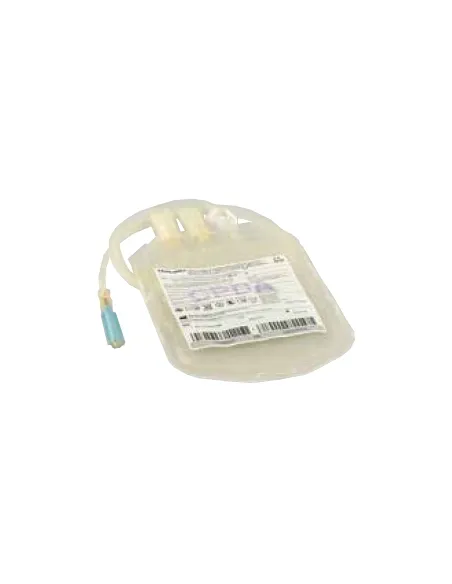


The 10x350 AC 10 SC Transfusion Bag is an advanced solution for the collection, storage and transfusion of blood, designed to guarantee maximum safety and convenience for both healthcare personnel and the patient. Each bag is built using high quality, non-toxic and biocompatible materials, which allow the risk of contamination to be minimized and promote the correct conservation of blood components. The capacity of each bag is 350 ml, ideal for hospital, outpatient use or for periodic donations. The set includes ten bags, each equipped with accessories for collecting and safely storing blood. The bags are equipped with secure and resistant connections, anti-reflux valves and easily sealable segments to facilitate sample management during all phases of the transfusion process. The objective is to guarantee maximum effectiveness in the prevention of infections, traceability and simple and efficient handling in compliance with the rules of good clinical practice.
This bag represents a reliable choice for those who work in hematology or transfusion medicine departments, offering a solution that complies with the safety and quality standards required in modern hospital environments. The compact and flexible design allows for safe transportation, while the integrated labeling system facilitates the correct identification of collected samples. The presence of AC 10 anticoagulant prevents coagulation during the storage phase, thus promoting the integrity of the blood components until the moment of transfusion. Thanks to the multilayer structure of the medical plastic used, the bag ensures a long shelf life without altering the chemical-physical properties of the blood.
Therapeutic Indications
The 10x350 AC 10 SC Transfusion Bag is indicated for the collection, storage and administration of whole blood or blood components in the context of transfusion therapies. It is particularly recommended for situations that require timeliness and efficiency, such as transfusions in cases of acute anemia, hemorrhages, surgical interventions or treatments necessary for chronic hematological pathologies. The bags can be used both in hospital environments and in mobile transfusion centers, making them also suitable for blood collection campaigns and emergency situations.
These bags allow optimal management of transfusion procedures, from the reception of the donor to administration to the patient. Each bag is designed to ensure maximum biological safety, minimizing the risk of cross-contamination and transmission of pathogens. Thanks to the closed system and sterilized materials, it can be guaranteed that the collected blood is suitable both for short-term storage and for possible fractionation to obtain blood components such as plasma, red blood cells or platelets. The volume of 350 ml offers the ideal flexibility to adapt to various clinical needs, making it suitable for pediatric transfusions, in patients with reduced circulating volume or in situations where divided doses are needed.
Composition
The bags are made with a special medical polyvinyl chloride (PVC), DEHP-free, which guarantees safe interaction with blood and limits the release of potentially harmful substances during storage. The internal surface of the bags is subjected to treatments that prevent the formation of cellular microagglomerates and facilitate the safe transfer of blood components. The presence of the AC 10 anticoagulant, a citrate-based solution, allows for optimal preservation of the blood while maintaining its fluidity and essential biological properties beyond the standard storage period.
Each bag is supplied with flexible and resistant tubing equipped with atraumatic silicone needles, safety valves, sampling points with sterile connectors and tamper-proof identification segments. The hermetic cap and the materials constituting the closures are designed to avoid any contamination from the outside. The bags are produced in a controlled environment and individually packaged in order to maintain sterility conditions unchanged until use.
Contraindications
Transfusion bags must not be used if the packaging is damaged, the sterilization date is compromised or in case of suspected visual alterations of the constituent materials (anomalous colours, opacity, presence of foreign bodies). They are contraindicated in all situations where the use of PVC-free materials is required or where the patient has a known particular sensitivity to medical plastic components. Do not use for the storage of substances other than blood or blood components indicated, nor for uses other than the therapeutic ones indicated in the transfusion guidelines. Any reuse of the bag or its use in different procedures could lead to an increased risk of infections, cross-contamination and loss of therapeutic efficacy.
Safety of the drug for the species
The safety of use of transfusion bags is guaranteed by the use of materials tested for biological compatibility, by the presence of closed and sterilized systems and by the use of suitable anticoagulants such as AC 10. The risk of hemolysis and bacterial contamination is greatly reduced thanks to the multilayer design and advanced production technologies. The bags pass rigorous tests for leaks, pressure resistance and connection integrity, ensuring that each unit is free of defects before being placed on the market. Particular attention is paid to checking the compatibility between materials and blood components in order to ensure cell viability even for prolonged periods.
The traceability system and identification segmentations help reduce errors in administration, promoting the safety of both the donor and the recipient. The use of the bags must however always take place under the responsibility of qualified healthcare personnel.
Precautions
Before use, carefully check the integrity of the packaging and the completeness of the accessories. Always handle the bag under aseptic conditions to avoid contamination. During the collection phase, make sure that the needle is positioned correctly and that the collection system is tightly closed at the end of the procedure to prevent accidental leaks or air ingress.
Avoid exposing the bag to heat sources, direct light and aggressive chemical agents. Warm the collected blood only if required by specific guidelines. Always store samples in the refrigerator or under recommended conditions, following the instructions to ensure the viability of the collected cells. Dispose of the bag and waste materials following current legislation on potentially infectious medical waste.
Method of administration
The bag is supplied with special fittings and pipes that allow safe connection with the administration systems. After filling, seal the segments to separate the main sample from the segments intended for laboratory testing or pre-transfusion testing. Connect the bag to the transfusion kit following a sterile procedure and making sure that the infusion set is suitable for the passage of the blood product.
During the transfusion, constantly monitor the patient to promptly identify any adverse reactions. If it is necessary to divide the blood components, use compatible centrifuges and filtration systems and always operate aseptically. Store the bag in compliance with the recommended temperatures (generally between 2°C and 6°C) until the moment of administration, to guarantee the integrity and safety of the transfused blood.
Treatment program
The treatment program using the 10x350 AC 10 SC Transfusion Bag involves a standard collection, with conservation of the blood until actual use or fractionation to obtain the individual blood components (red blood cells, plasma, platelets). The frequency of collection and the quantity to be transfused must be evaluated based on the clinical needs of the recipient and the indications of the responsible doctor, considering age, weight, clinical status and emergency conditions.
The bag can be used both for periodic collections from voluntary donors and in the context of medical emergencies. Any repeated treatments must be carried out following protocols well defined by national and international guidelines on blood transfusion. In the case of prolonged storage, care must be taken to note down the identifying data and to scrupulously follow the biological validity times of the blood or its blood components inside the bag.
Target species
The transfusion bag is specifically designed for human use, in adults and children who require blood or blood component transfusions. It is suitable for use in hospital facilities, outpatient services, emergency rooms, operating rooms, fixed and mobile transfusion centers. The adaptability of the system to different collection and administration methods makes it possible to use it in a wide range of clinical situations, from routine transfusion support to emergency needs due to trauma, emergency surgery or serious bleeding.