Shopping Cart
There are no more items in your cart
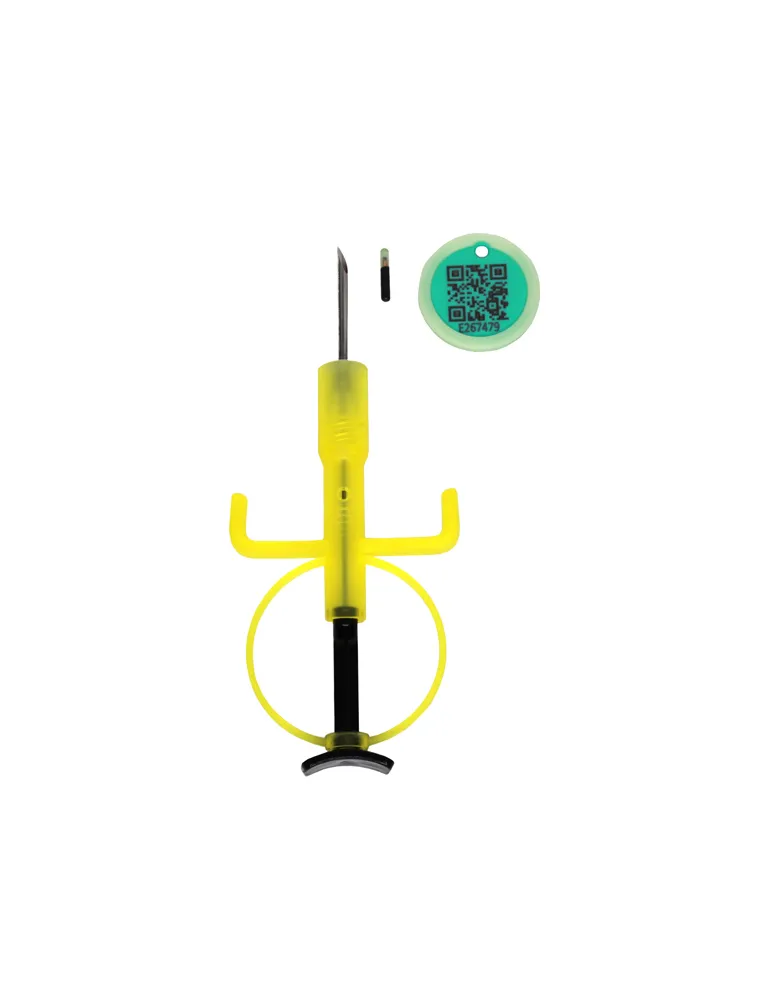
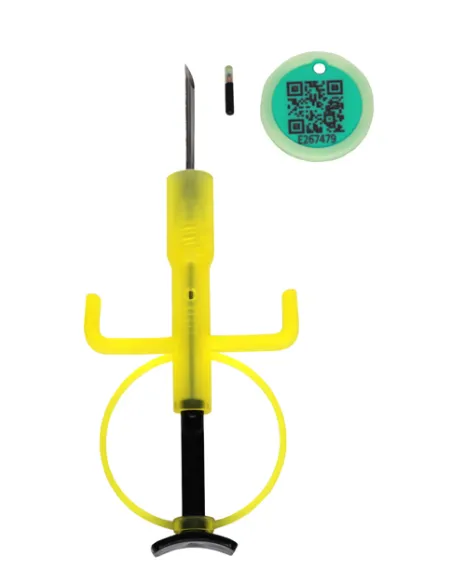


slais microchip 10 pieces is an electronic identification kit consisting of ten implantable microchips, designed to guarantee the permanent and secure identification of animals. Each microchip contains a unique code readable by standard RFID readers and is intended for use as a long-term identification system. The product is designed to facilitate registry registration, the finding of lost animals and the health and administrative management of pets and small species. The package includes ten sterile units, each intended to be implanted individually with a specific inoculation device, and the format is designed to minimize bulk once inserted under the skin. Slais microchip 10 pieces is designed for qualified operators who need a practical, rapid and long-lasting system for electronic animal identification.
Practical product features: pack of 10 pieces for multiple use in veterinary clinics, clinics, shelters or for operators who care for multiple animals; sterility of the single unit to reduce the risk of contamination; small and compact design for a simple and minimally invasive implant; unique code for each microchip, readable with universal RFID readers; biocompatible materials for permanence in the body without significant reactions in most cases. The following sheet describes in detail the indications, composition, contraindications, safety for the species, precautions for use, method of administration, treatment program and target species so that the operator has complete and detailed information for the correct use of the product.
Therapeutic indications
The 10-piece Slais microchip is indicated for the permanent and official identification of animals, intended as an electronic marking practice that supports registry traceability, health management, the recovery of lost animals and the archiving of registry data in national and local databases or registers. The system is recommended in clinical and management contexts where stable identification over time is required, such as veterinary clinics, shelters, adoption centres, small-scale farms and road or municipal control activities. The use is aimed at integrating the paper or electronic documentation of the animal, allowing the association of the unique microchip code with the health card, vaccinations, sterilizations and other medical interventions.
Specific purposes include: facilitating discovery and reunification with the owner in the event of loss; allow the application of targeted health protocols based on the clinical history associated with the code; support administrative procedures for transfers, assignments or adoptions; allow the management and control of animals in collective contexts; facilitate epidemiological research and data collection for the prevention of infectious diseases when the code is registered correctly. The indication contemplates use as a permanent tool of identification and not as a substitute for clinical documents: the microchip must be used in combination with official records and established veterinary practices.
In the context of healthcare management, identification via microchip promotes the continuity of care, the verification of vaccination plans and the traceability of the therapies administered. For reception facilities and organizations that manage emergency or rescue situations, the presence of the microchip reduces times and uncertainties in identifying the animal and reconstructing its clinical history, improving the chances of a return to the owner or an informed adoption. Use is also recommended in contexts of controlled research and long-term monitoring where precise and stable management of the individuals investigated is required.
Composition
Each unit of the 10-piece Slais microchip kit is composed of an implantable RFID transponder enclosed in a biocompatible casing that protects the electronic circuit and the internal antenna from mechanical stress and the biological environment. The external casing is made of stable and biocompatible material, designed to minimize the risk of tissue reactions and to guarantee the integrity of the code contained in the microchip for the entire lifespan of the animal. The microchip contains a unique identification code programmed in the factory and not modifiable, readable with standard RFID readers compatible with frequencies commonly used for veterinary applications. The internal electronic characteristics ensure a stable and reliable signal for reading by portable and fixed scanners.
The package provides ten individual units, each sterile packaged for single use to minimize the risk of infection during implantation. Any inoculation device used for the implant can be of the gun or pre-loaded syringe type; when present, the injector is calibrated to insert the microchip into the subcutaneous space with control of the insertion depth. The excipients or auxiliary materials present in the casing and packaging are chosen to guarantee stability, resistance to corrosion and inalterability of the code; there are no food or pharmaceutical components, as it is an electronic identification device. The dimensional specifications and materials used are optimized to ensure compatibility with the majority of small species and to minimize the sensation of a foreign body in the animal once implanted.
The internal and external marking of the package includes batch references and instructions for use in order to guarantee the traceability of the raw material and the individual unit. Each microchip is tested during production to verify its electronic functionality and code readability before sterile packaging. The design aims to offer a balance between mechanical robustness and small size to facilitate clinical procedures and allow rapid and precise implantation with minimal manipulation of the animal.
Contraindications
The use of the 10-piece slais microchip is contraindicated in the presence of local or systemic conditions that make the subcutaneous implant dangerous or inappropriate. It must not be implanted in animals with active skin infections or lesions at the intended insertion site, as the presence of infection may increase the risk of local complications. The implant is not recommended in animals with known coagulopathies or uncontrolled coagulation disorders, in which a procedure involving minimal invasion of skin tissue could cause bleeding and hematoma formation. It is also contraindicated in situations where there is a known marked allergic reaction to the microchip casing materials; in such cases it is necessary to evaluate non-invasive identification alternatives or devices with different materials.
Do not implant the microchip in anatomical locations that could compromise the functionality of the underlying organ or structure, avoiding areas with poor skin coverage or areas subject to repeated trauma. The implant is not suitable for extremely small animals or newborns whose body size makes safe and permanent placement difficult without interfering with growth; in these cases, the decision must be made on the basis of clinical evaluation considering the relationship between risk and benefit. Furthermore, the implant is not intended to be used as a therapeutic tool or for the delivery of drugs: it does not replace medical care and is not suitable for purposes other than electronic identification.
Finally, the implant is contraindicated when it is not possible to guarantee adequate sterility conditions or the presence of trained personnel to carry out the procedure; insertion performed under improper conditions can significantly increase the risk of infection, migration of the device or malposition that compromises the identification functionality of the microchip. In such situations it is preferable to postpone implantation until safe clinical and operational conditions are available.
Safety of the drug for the species
Although not a drug, the safety of the 10-piece slais microchip for the recipient species is a fundamental component of the clinical and management use of the device. The external material and physical characteristics of the microchip are designed to minimize tissue reactions and to ensure permanence in the body without negative systemic effects in the majority of cases. However, as with any implantable device, transient local reactions such as mild inflammation, edema or small foreign body reactions limited to the implantation area may occur; these reactions are generally self-limiting and resolvable with conservative measures. It is important that the operator knows and informs the animal owner about the possibility of local reactions and the signs that require veterinary evaluation.
Systemic risks related to the microchip are rare but include, in isolated cases, local infections with possible need for removal of the device, migration of the microchip from the initial site to adjacent tissues and, in exceptional circumstances, more extensive tissue reactions. The interaction with diagnostic or therapeutic procedures is generally minimal: the microchip does not alter the metabolism or pharmacokinetics of administered drugs and does not interfere with most routine clinical tests; however, in the presence of specific investigations, the operator must consider the presence of an implanted foreign body and evaluate its potential impact on the diagnostic or therapeutic procedure.
To ensure maximum long-term safety, it is essential to associate the implant with correct code registration and clinical follow-up. Registration with the relevant archives or registers improves the function of the microchip as a healthcare and administrative tool, helping to reduce the risk of identification errors. If suspicious clinical signs emerge at the site of implantation or changes in the animal's behavior after the procedure, a timely veterinary evaluation is advisable to exclude complications and take the necessary measures.
Precautions
Special precautions for use in animals: before implanting the 10-piece slais microchip it is necessary to carry out a clinical evaluation of the animal to identify the most suitable site and verify the absence of local or systemic conditions that could increase the risk of complications. In the presence of damaged skin, local infection or relevant systemic pathologies, postpone the procedure until the clinical condition is resolved or stabilized. In the phases following implantation, monitor the animal for local signs of irritation, redness, discharge or pain and schedule routine checks to verify the permanence and functionality of the microchip by reading with a special scanner. In young or growing subjects, carefully evaluate the timing of the implant to guarantee a definitive placement without interfering with growth.
Precautions for the person administering the device: the procedure must be performed by trained personnel, who use adequate asepsis measures to reduce the risk of infection. It is essential to handle sterile packaged units only at the time of implantation, avoiding contamination of the device or injector. When using an injector, follow the specific operating instructions to ensure correct insertion and prevent malposition. To reduce the risk of accidental exposure to fingers or unintended parts, use caution when removing the microchip from its packaging and when loading the injector.
Storage and disposal: store the product in suitable conditions until use, maintaining the sterility of the individual unit intact. Used packaging and disposable devices must be disposed of in accordance with current regulations regarding healthcare and hospital waste, avoiding reintroduction into an uncontrolled environment. Finally, inform the pet owner about the need to register the microchip code and to bring the identification documentation with him to all subsequent veterinary visits, so as to keep the information associated with the device updated.
Method of administration
The method of administration of the 10-piece Slais microchip involves subcutaneous implantation using a stereotyped and disposable injector, performed by veterinary personnel or adequately trained operators. Before the procedure it is advisable to obtain the owner's informed consent and verify the animal's identification data. Prepare the working field in aseptic conditions: clean and disinfect the implantation area, usually a region of the neck or other site indicated by local guidelines and professional practice, to facilitate future reading and reduce the risk of movement of the device. Use sterile gloves and clean utensils; open the sterile package only immediately before implantation to preserve the integrity of the microchip.
The typical procedure requires minimal sedation or physical restraint based on the animal's temperament and clinical recommendations: the calmness of the animal facilitates insertion and reduces the risk of complications. Holding the animal in the correct position, introduce the injector in the recommended direction and depth, making the microchip emerge into the subcutaneous space. After the implant, check the functionality by reading the code with an RFID reader; confirm that the code displayed corresponds to the recorded data and note the intervention in the animal's clinical documentation. Carry out a visual inspection of the site and apply, if necessary, a light dressing to protect the area in the first hours following the procedure.
Follow-up procedures: Provide the owner with advice on how to observe the implantation area and signs requiring veterinary attention (persistent redness, discharge, swelling or pain). Schedule a check if indicated and recommend immediate registration of the code with the relevant registers to maximize the chances of finding it in the event of loss. Always document the batch and package identification number in the folder, so as to be able to trace the origin of the device if necessary.
Treatment program
The 10-piece slais microchip does not require a “treatment program” in the conventional medical-pharmaceutical sense, as it is a permanent identification device; however, it is useful to follow an operational protocol that ensures correct application, recording and control over time. The recommended program includes: pre-implantation assessment to determine the most suitable site and the health status of the animal; implantation performed in sterile conditions and by trained personnel; immediate verification of code reading and complete registration of the identifier associated with the animal's personal and health data. Subsequently, a short clinical check-up is advisable to ensure the absence of local complications and, if necessary, further periodic checks during routine veterinary visits.
In the long term, the "program" consists of taking care of the registration and updating of data related to the microchip: registering the code in the relevant official registers or databases and keeping the owner's contact information and main health data updated. This step is essential to ensure that, in the event of loss, the discovery quickly leads to the reintegration of the animal into its family unit. Although the microchip does not require active maintenance, it is good practice to check the readability of the device during periodic veterinary visits to ensure that the code is still easily accessible and that there are no significant movements with respect to the implant site.
In exceptional cases, if the microchip presents malfunctions, significant migration or persistent local reactions, the program includes veterinary evaluation and, if indicated, surgical removal of the device and replacement with a new implant. The decision to remove and replace the microchip must be made on the basis of individual clinical evaluation taking into account the welfare of the animal and the risk-benefit ratio for the intervention.
Target species
The 10-piece slais microchip is mainly intended for the identification of pets and small animals, such as dogs, cats and other small mammals commonly managed in domestic and outpatient settings. The application is designed to be compatible with the morphology and needs of the most common species as pets, but can also be used, with specific clinical evaluation, in other small species where the subcutaneous implant constitutes an appropriate and safe practice. The operator must consider the size and conformation of the animal to choose the most appropriate technique and implant site and to determine whether the microchip represents the optimal identification solution.
For species other than common ones, or for subjects of neonatal age or in the rapid growth phase, a personalized evaluation is important: some animals may not be suitable for a permanent implant until they reach a size that allows a safe and stable placement. Furthermore, for particular species with very thin skin or tissues, or for animals subject to frequent trauma in the implantation area, caution and consideration of alternatives are recommended. In any case, the main destination remains the identification of companion animals and the registry and health management in veterinary and reception facilities, with the aim of improving animal welfare and facilitating owner-animal reunification in cases of loss.