Shopping Cart
There are no more items in your cart
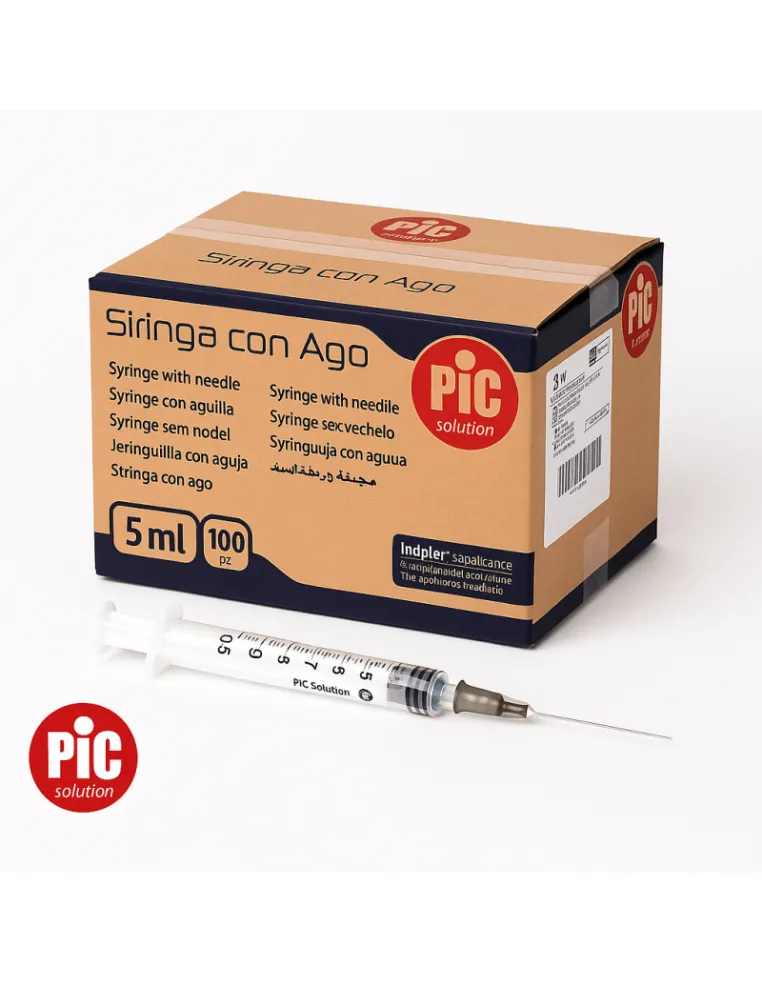
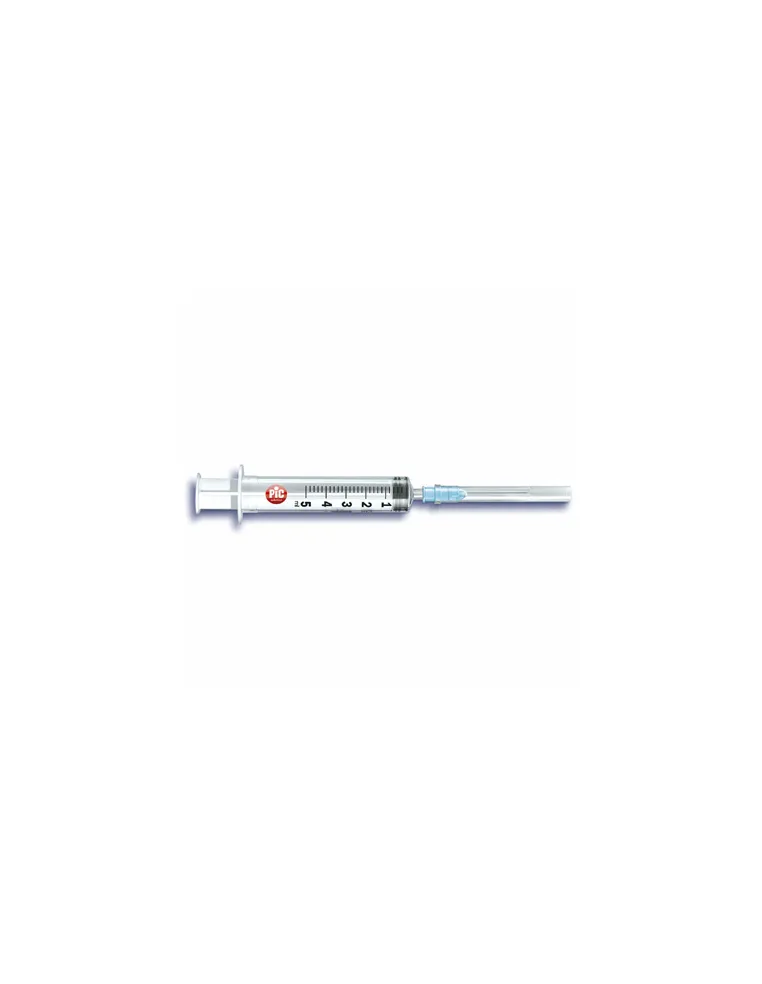
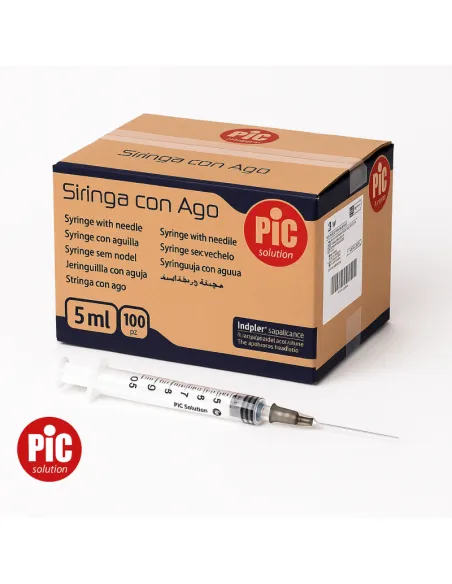
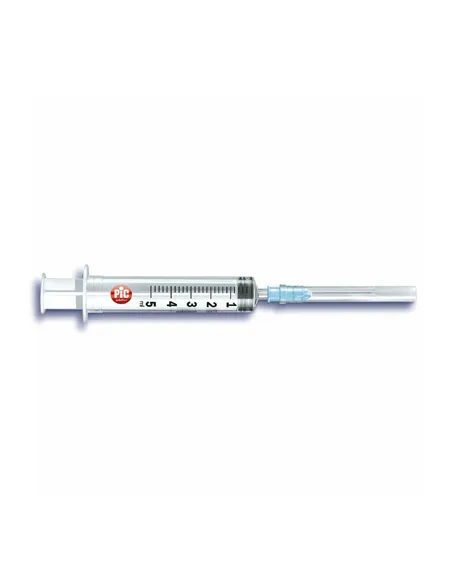


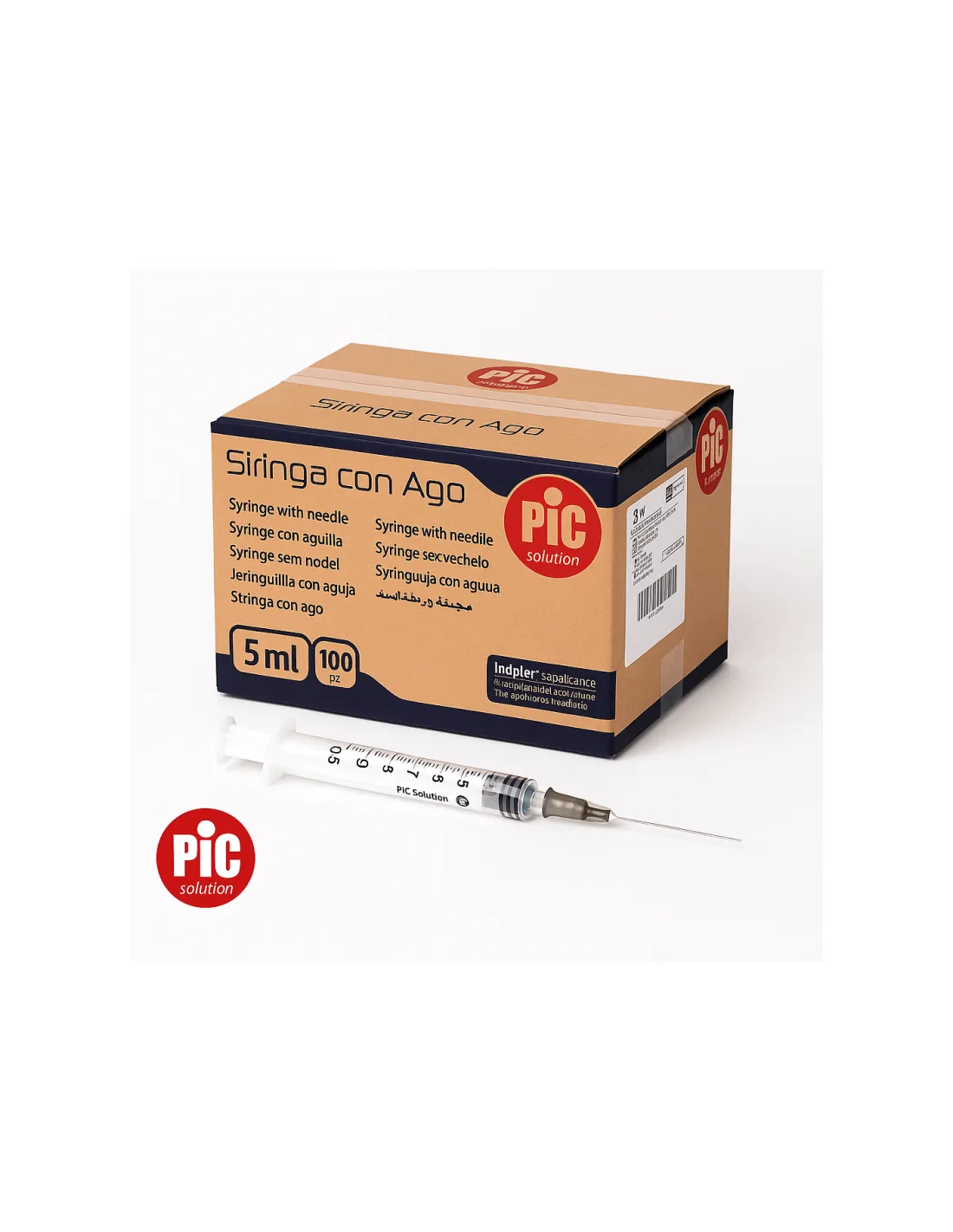
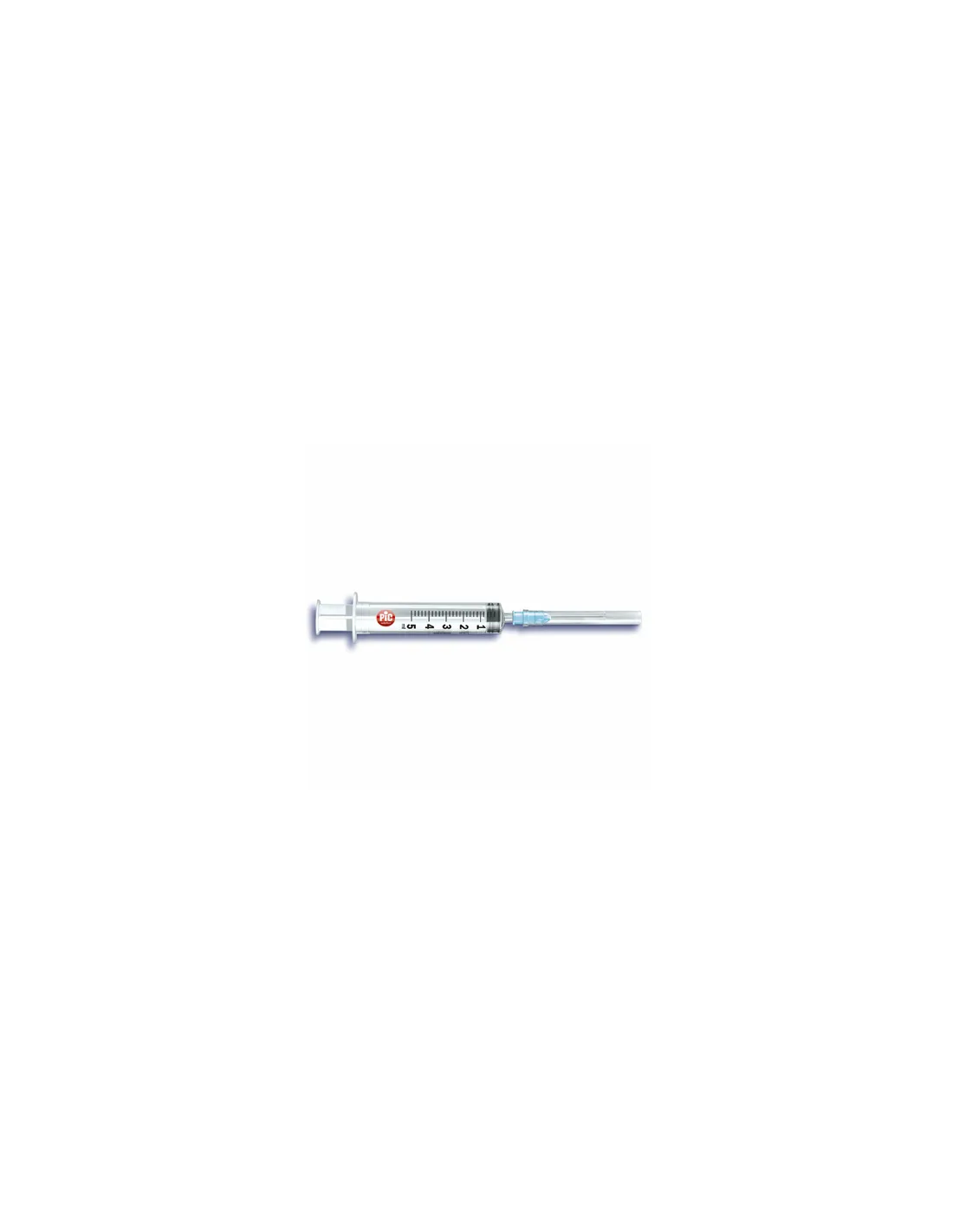
Siring PIC 5 ml is a disposable, sterile syringe, with a nominal capacity of 5 milliliters, designed for parenteral administration of liquids, specimen collection and other technical procedures requiring small or medium volumes. The syringe features clear, legible graduations along the transparent body for precise measurement of the volume administered or aspirated. The body is made of transparent plastic material that is resistant to breakage, the piston is equipped with a gasket that ensures an airtight seal and a smooth stroke, while the assembly is individually packaged in sterile conditions to guarantee integrity and safety until the moment of use.
The product is intended for use as a single-use medical device and should only be handled by trained personnel or under the supervision of a healthcare or veterinary professional. The needle may not be included depending on the variant; when necessary, the connection is provided for compatible Luer systems that allow the safe attachment of needles or adapters. The individual packaging reduces the risk of cross-contamination and facilitates sterility control before use.
The syringe is designed to offer precision, ease of handling and reliability in routine operations, with particular attention to ease of measurement thanks to well-spaced and contrasted scale marks. Use is indicated in clinical, outpatient and veterinary contexts for procedures requiring volumes of up to 5 ml; Appropriate use always depends on the assessment and instructions of the responsible professional.
Therapeutic Indications
The syringe called "syring pic 5 ml" is indicated for the controlled administration of drugs in solution or suspension, for subcutaneous or intramuscular injection where permitted by healthcare or veterinary personnel, for the collection of biological liquids in diagnostic procedures, for the dosage and preparation of sterile solutions for immediate use and for the transfer of liquids in clinical and veterinary settings. In the veterinary field it can be particularly useful for the administration of systemic treatments in small-medium sized animals that require volumes of up to 5 ml; in the human field it is indicated for procedures that do not exceed the capacity of the device and which are carried out by qualified personnel. Furthermore, the precise graduation facilitates the calculation of the dosage, the recording of the quantities administered and the repeatability of subsequent administrations when prescribed.
The syringe is also indicated for technical uses related to the management of biological samples and the administration of fluids in laboratory diagnostic protocols, always in compliance with health and hygiene regulations and aseptic procedures. The use must be evaluated in relation to the administration technique required, the viscosity of the fluid to be inoculated or aspirated and the chemical compatibility with the materials of the device; for some special applications (e.g. administration of very dense suspensions, preparations containing particular solvents or sensitive products) it is advisable to consult the responsible professional to verify the correspondence between the syringe and the type of preparation.
It is reiterated that, since it is a disposable and sterile device, the therapeutic indication includes the replacement of the device at each administration and correct disposal according to local regulations for medical waste, in order to prevent infections, cross-contamination and biological risks. Repeated use or reuse of the product voids the sterility guarantee and can cause significant risks for the patient and the operator; therefore the syringe must be used exclusively for the purposes indicated above and in compliance with good clinical-veterinary practices.
Composition
The "siring pic 5 ml" syringe is made up of a set of components designed to guarantee functionality, safety and compatibility of use. The transparent body is generally made of polypropylene or other non-toxic medical plastic material which offers good mechanical resistance and transparency for clear reading of the graduations. The piston is made of plastic material compatible with the internal stroke, combined with a seal made of synthetic elastomer without natural latex where it is necessary to reduce the risks of hypersensitivity; The seal is lubricated with a small amount of silicone or other approved medical lubricant to ensure uniform extrusion and a smooth sliding feel.
The graduations on the cylinder are permanently printed or engraved and calibrated to indicate milliliters and fractions consistent with the reference standard for small volume measuring devices. The needle connection interface is designed to be compatible with Luer mounting systems (slip or lock depending on the variant), allowing the use of a wide range of needles, adapters and connectors. The device is supplied individually packaged in a sterile envelope or blister which guarantees its integrity until it is opened; the packaging material is selected to maintain a barrier to contamination and withstand the normal stresses of packaging and transportation.
The product is free of active chemical additives: it does not contain drugs or preservative agents inside; the excipients, if present on the seal or as residues from the production process, are typically medical grade lubricants suitable for healthcare use. The choice of materials is aimed at minimizing adverse reactions due to components, providing for the reduction or absence of natural latex when required by safety needs for sensitive subjects. The composition is designed to offer compatibility with a wide range of aqueous and oily solutions normally used in clinical and veterinary fields, while advising to check compatibility for particularly aggressive preparations or unconventional organic solvents.
Finally, the syringe is designed to be disposable: materials and assembly are not intended for repeated sterilization cycles or reuse; this helps to maintain the mechanical properties and resistance over time only for the intended single use.
Contraindications
The "siring pic 5 ml" syringe has some practical contraindications and conditions of non-use which must be strictly observed to guarantee the safety and effectiveness of the device. Mainly, it must not be reused: the sterility of the syringe is guaranteed only until the single package is opened; any reuse voids sterility, exposes you to the risk of cross-contamination and can lead to infections or adverse reactions. Do not use the device if the packaging is visibly damaged, opened or compromised; in such cases the sterile barrier has been compromised and use could cause contamination of the contents or the patient.
Do not use the syringe for solutions incompatible with the constituent materials (for example aggressive organic solvents, corrosive mixtures or preparations containing particular surfactants or substances that can degrade plastic and elastomers), unless compatibility has been verified by competent technical personnel. Avoid use for administrations that require volumes greater than the nominal 5 ml or where dosing precision at a subunit level is required which is not guaranteed by the scale on the cylinder: for extremely critical dosages or for larger volumes it is advisable to use specific devices with adequate calibration.
Do not use the syringe if there is any sign of mechanical deterioration such as cracks in the barrel, stuck piston, or damaged seal, as this may impair functionality, lead to spills, inaccurate dosing, or breakage during use. Furthermore, do not connect incompatible components or force connections that are not designed for the type of connection of the device, to avoid losses or accidents. In cases where complex invasive procedures are necessary or in patients with special needs, the decision on the use of the syringe must be taken by the responsible doctor or veterinarian who will evaluate the adequacy of the device with respect to the clinical conditions.
Finally, do not use the syringe for purposes other than those intended, such as industrial use or unregulated food use; use outside of safety and compliance indications may lead to health risks and legal liabilities. Always comply with local regulations and good practices for the disposal of disposable devices and potentially contaminated materials.
Safety of the drug for the species
Although the format item reports "Safety of the drug for the species", in the case of the "syring pic 5 ml" syringe this section is adapted to explain the safety of the device itself with respect to use on different species and types of patients. The syringe is designed as a neutral device with respect to the pharmacological content: its safety depends on the correct selection of the device in relation to the species, the size of the animal or patient, the volume to be administered and the administration technique adopted by competent personnel. In the veterinary field, the choice of the 5 ml capacity can be ideal for small-medium sized dogs, cats, and small pets for which this volume is adequate; for very small species or for injections requiring minimal volumes it is advisable to evaluate syringes with a smaller capacity to improve the precision of the dosage and reduce the risk of excessive administration.
Safety for the species also includes consideration of allergic reactions or sensitivity to any residues of the device materials: the use of natural latex-free gaskets reduces the risk of allergic reactions in sensitive subjects, but each animal or patient may have particular predispositions that require attention. The operator must therefore be informed about the presence or absence of components at risk of sensitization and choose the appropriate device for patients with known allergies.
A further aspect of safety is the correct match between the volume of the device and the nature of the treatment: repeated treatments may require the use of devices with specific adapters or low-trauma systems to minimize discomfort and tissue damage, especially in small or debilitated patients. For interventions that require frequent administration, the evaluation of alternative solutions (e.g. catheters, infusion pumps or dedicated devices) is recommended under the responsibility of the professional, in order to reduce stress on animals and patients and minimize the risk of local complications.
Finally, the safety of the device in relation to the species extends to the disposal methods: materials contaminated with blood or biological fluids must be managed according to current regulations for medical waste, thus protecting both the environment and any other animals or people who could come into contact with the waste. In summary, the "siring pic 5 ml" syringe represents a safe instrument if used correctly, with the appropriate size, technique and precautions evaluated by medical or veterinary personnel.
Precautions
Before using the "siring pic 5 ml" syringe, it is essential to observe a series of precautions aimed at maintaining the safety of the operator and the patient. The device must be used only if the packaging is intact and sterile; do not use the product if it has expired or if the packaging shows signs of violation. It is advisable to wear suitable personal protective equipment (disposable gloves, protective glasses where necessary) to reduce the risk of biological contamination and protect against accidental contamination. Washing or sanitizing your hands before handling and after disposal is a fundamental practice.
To prevent injuries from accidental needle sticks, adopt safe working techniques: do not cap the needle after use, use needle protection systems where available and immediately dispose of sharps in rigid containers suitable for medical sharps waste. Avoid forcing incompatible connections and do not use visibly deformed or damaged components. Keep the device out of the reach of children and unauthorized animals until actual use to prevent accidental manipulation or ingestion of the packaging material.
When handling substances that are dangerous, toxic or require special protection, follow specific safety procedures established for such products, including containment measures, adequate ventilation and additional personal protective equipment. Do not use the syringe for mixtures at unsuitable temperatures or for solutions that may react with the materials of the device; in cases of doubt, consult the technical data sheets of the materials and specialized personnel.
Store the device in its original packaging until use, in a dry environment, away from sources of heat and direct light, and at temperatures that do not compromise the mechanical properties of the materials. After use, dispose of the syringe and needles in appropriate containers for medical waste, following local regulations in force for the management of infectious and sharps waste; do not throw contaminated materials into normal municipal waste. Report and document any adverse events or incidents related to the use of the device according to institutional procedures to ensure traceability and prevent future similar episodes.
Method of administration
The recommended methods of use for the "siring pic 5 ml" syringe include some general steps aimed at maximizing the safety and effectiveness of the operation. Before use, inspect the packaging and verify its integrity and sterility: the syringe must only be removed in a clean environment and, if possible, in aseptic conditions. If necessary, connect the appropriate needle or adapter following the needle manufacturer's instructions and ensuring that the attachment is compatible (Luer slip or Luer lock) to avoid leaks or accidental detachment. When withdrawing a solution from a bottle, adopt aseptic procedures: disinfect the bottle cap, use a sterile needle to pierce the cap and aspirate slowly to avoid foaming or the formation of air bubbles.
To minimize the risk of accidental injections of air, eliminate any air bubbles present in the syringe before administration: hold the tip upwards, tap the side of the syringe lightly to concentrate the bubbles and push the piston until the remaining air comes out. During administration, follow the recommendations of healthcare or veterinary personnel regarding the site and technique (e.g. subcutaneous or intramuscular), but avoid providing detailed technical instructions that require specific clinical skills: these maneuvers must be performed by trained personnel or under their direct supervision. Be sure to use the correct needle size for the tissue type and solution viscosity to reduce tissue trauma and patient sensitivity.
After use, retract the needle safely if provided for by the device or apply the suggested protection systems and dispose of the syringe with the needle in the sharps container. Do not cap needles manually as this increases the risk of accidental needle sticks. Record the treatment and volume administered in the appropriate clinical documentation to ensure traceability and continuity of care. If you have any doubts about the correct use of the device, consult a healthcare or veterinary professional; do not attempt invasive techniques without adequate training.
Treatment program
For the "syring pic 5 ml" syringe, the concept of "treatment program" must be understood as a set of operational recommendations relating to the frequency of use, the replacement of the device and the management methods in repeated administration plans. Being a disposable device, the syringe must be used only once for each administration and replaced with a new unit for each subsequent administration; this rule is essential to avoid cross-contamination and to preserve microbiological safety. In protocols that involve repeated administrations hours or days apart, it is necessary to use a new syringe for each administration and to document each administration in the therapeutic plan or in the medical record, specifying the volume and type of preparation administered.
In veterinary or clinical contexts with scheduled administrations, organize the material so as to always have individually packaged and sterile syringes available for each appointment: this guarantees speed of use and reduces the risk of errors. For home treatments carried out by caregivers under professional indications, training on correct use and disposal is essential, as is access to adequate supplies to respect the principle of single use and the frequency of administration foreseen by the therapeutic plan.
In the case of protocols that require repeated sampling or infusion of multiple doses, consider logistical planning for the availability of compatible needles and adapters, disinfection materials and medical waste containers compliant with local regulations. If the treatment involves local anesthesia, sedation or other maneuvers that may alter the patient's response, coordinate the program with specialized personnel to monitor the patient and ensure adequate safety measures. In summary, the "treatment program" associated with the use of the syringe is based on principles of disposable use, accurate documentation, operator training and safe management of materials to ensure therapeutic continuity and safety.
Target species
The "syring pic 5 ml" syringe is intended for transversal use and can be used for a wide range of species when the procedure and dosage are established by competent medical or veterinary personnel. In the veterinary field it is particularly suitable for small and medium-sized dogs, cats and small pets for which a volume of up to 5 ml is frequently adequate for many therapeutic or diagnostic administrations. For larger species or treatments that require larger volumes it is preferable to use devices with a larger capacity or dedicated infusion systems, while for very small species or for administrations that require extreme precision it is advisable to evaluate smaller syringes to improve the accuracy of the dosage.
In the human context, the use of the syringe is reserved for procedures performed by healthcare professionals or under their supervision; the choice of the 5 ml capacity must respond to the clinical needs of the patient and the prescribed treatment. Operator training, assessment of the patient's condition (age, weight, state of health) and verification of the compatibility of the device with the drug or solution to be administered are essential elements to ensure safe use among different species and categories of patients.
Regardless of the target species, it is essential that the use of the syringe is part of a defined therapeutic plan and that all the hygiene, safety and disposal measures indicated are adopted; the responsibility for choosing the most suitable device falls on the healthcare or veterinary professional who evaluates the clinical condition, the type of administration and the compatibility with the planned procedures. In this way the "5 ml pic syring" can represent a versatile and safe tool, correctly used in the species for which it has been deemed appropriate.