Shopping Cart
There are no more items in your cart
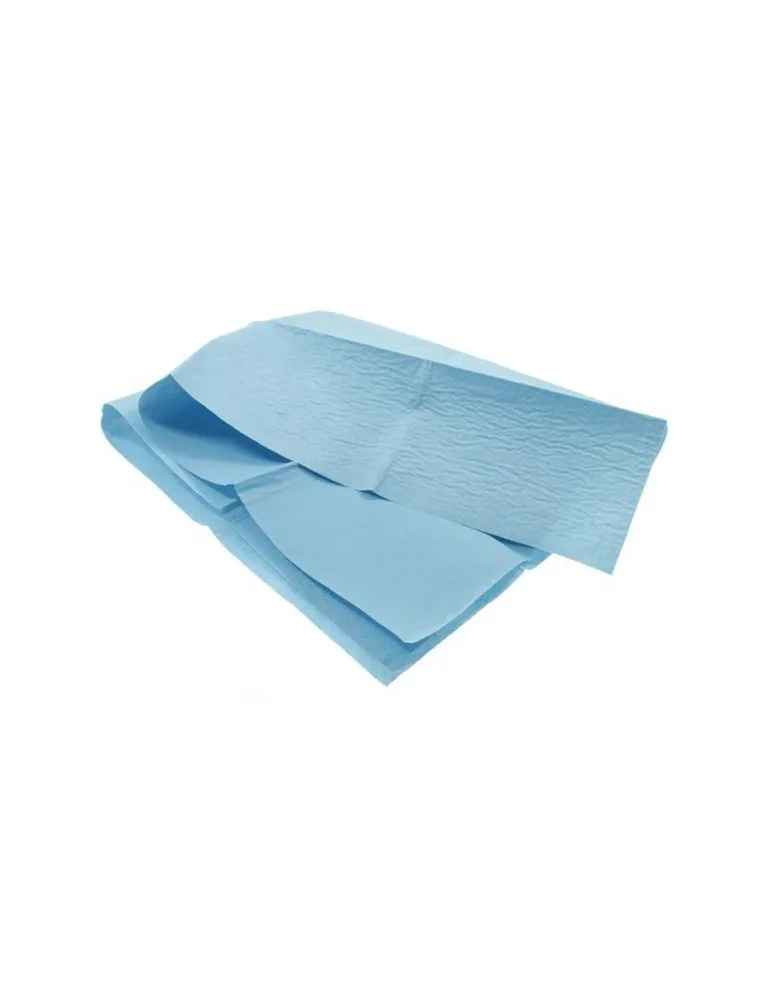
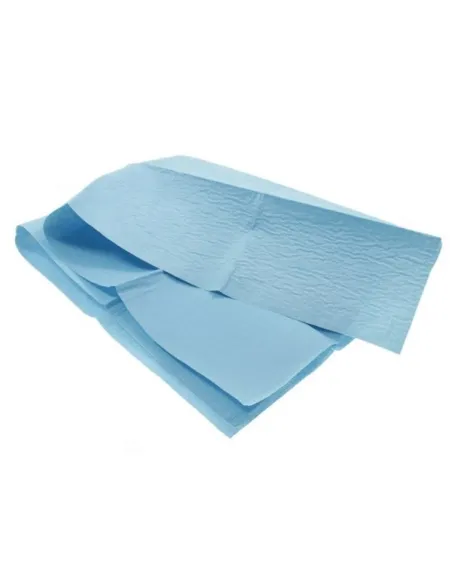


The 50x50 cm double-coupled non-woven sterile drape is designed to guarantee maximum safety and hygiene during surgical operations, medications and any healthcare procedure that requires attention to the prevention of infections. This sheet, made of bi-laminated non-woven fabric (TNT), offers a protective barrier for both the patient and medical staff, effectively reducing the possibility of cross-contamination. Each pack contains 50 pieces, individually packaged to preserve sterility until use. The size of 50x50 cm makes the sheet extremely versatile for various uses, such as covering sterile surfaces, protection during dressings or as a support during small outpatient procedures. The high tear resistance, combined with the softness of the material, guarantees comfort and safety, minimizing the risk of abrasions or skin irritation. The product is intended for both hospital environments and medical practices, clinics, nursing homes or private homes where aseptic management of the environment is necessary.
Therapeutic Indications
The Sterile Non-Woven Bilayer Drape is mainly used for the protection of skin areas or surfaces during invasive or medical procedures that require the use of sterile materials. It is indicated in the dressing of open surgical wounds, in the dressing procedures of ulcers, bedsores and chronic or acute skin lesions that may require a protected environment. Furthermore, the drape can be used as a barrier for medical instruments during outpatient operations and treatments. In minor surgery practices, the product is essential for covering limited areas of the body, preserving the sterility of the operating field. The double-coated TNT also offers protection from contamination thanks to the double stratification of the material which limits the penetration of liquids and microorganisms. Its use is recommended whenever a high standard of hygiene must be guaranteed, such as in the application of drips, in the treatment of stomas, in the management of catheters and drainage or during invasive maneuvers at home.
Composition
Material: Bi-coupled non-woven fabric, made up of high-resistance synthetic polypropylene fibres, designed to combine breathability, softness to the touch and robustness. The bi-coupled structure is formed by the association of two layers: an internal one, softer and more comfortable in direct contact with the skin, and a more compact external one, with a barrier action, which guarantees better resistance to the penetration of contaminants. The absence of latex and other allergenic components makes the sheet suitable even for sensitive subjects. They are completely free of cytotoxic substances, hypoallergenic and made with materials compliant with sterility regulations for medical devices. The sterilization process takes place using gamma rays or ethylene oxide, to ensure the absence of germs, bacteria and viruses. Every single sheet is packaged in sterile packaging, to maintain safety conditions until actual use on the patient or on the work field.
Contraindications
Do not use the sheet in case of proven individual sensitivity or allergy to polypropylene components or any additives used in the production process of the non-woven fabric. Do not use the product if the packaging is damaged or not perfectly intact, as this would compromise the sterility of the cloth. It must not be used on wounds or skin where there are severe allergic reactions to synthetic materials. The drape is not suitable for use as the main absorbent gauze on heavily exuding wounds, nor should it be considered a substitute for advanced protection systems for major surgical operations requiring highly specialized technical materials. If you have any doubts about the suitability of the product, consult qualified personnel beforehand. Avoid reuse or resterilization of the drape, intended for single and disposable use only.
Safety of the drug for the species
The use of the Bi-Coupled Non-Woven Sterile Drape ensures very high safety standards for the human patient, thanks to the total sterility and compliance of the materials with current provisions regarding medical devices. The bi-coupled TNT guarantees the creation of an impenetrable barrier to microorganisms, thus preventing any risk of cross-infection during care practices, both outpatient and at home. Skin tolerability is guaranteed by the softness of the contact surface, which minimizes the risk of irritation even on damaged or fragile skin. Each piece is disposable and must be disposed of according to the regulations in force on medical waste, avoiding the risk of environmental and personal contamination. The sheet does not interfere with other local therapies, does not leave residues on the skin or have negative effects on the instruments in contact. Safety is guaranteed even during prolonged procedures, where the stability of the material prevents structural failure, liquid infiltration and fiber migration.
Precautions
Before use, always check the integrity of the packaging and the expiry date to ensure that the product is still sterile and suitable. Do not use on severely damaged skin without specific medical indication. In case of accidental contact with non-sterile surfaces, the drape must be replaced immediately. Avoid exposing the product to sources of heat, humidity or chemical agents that could alter the characteristics of the non-woven fabric. Dispose of the drape after use, without trying to reuse it, so as not to compromise the safety of the patient and the operator. In cases of use on patients with known hypersensitivity to synthetic materials, monitor compatibility with any other dressings used at the same time. Always adopt standard hygiene precautions when applying, handling and disposing of the sheet. Keep out of reach of children and pets to avoid any misuse.
Method of administration
The Sterile Non-Woven Bilayer Drape must be used exclusively in aseptic conditions, immediately after opening the protective packaging. With clean hands and sterile gloves, gently remove the drape, avoiding any contact with non-sterile surfaces or hands. The sheet must be placed directly on the area to be treated or on surfaces that need to remain sterile, adapting the position to the type of intervention or medication to be carried out. Once positioned, the material adheres well to surfaces, limiting accidental movements, but can be further fixed with sterile plasters or other suitable devices if necessary. It is essential not to reuse the drape after removal and to dispose of it according to the guidelines established for medical waste to ensure the safety of patients and operators.
Treatment program
The use of the sterile drape must be adapted to specific clinical needs: when dressing open wounds, use the drape every time a new dressing is performed, making sure to use a new drape for each procedure on each patient to avoid contamination. In the operating room or clinics, consider using one or more sheets to cover all surfaces that could come into contact with surgical instruments, suture materials or exposed skin areas. The treatment program must include the immediate use of the towel once the single package has been opened and its replacement after each use. This approach ensures maximum reduction in infectious risk for patients and healthcare personnel. In case of home treatments, follow the directives received from healthcare personnel, making sure to dispose of the sheet correctly after each single use.
Target species
Humans