Product Description
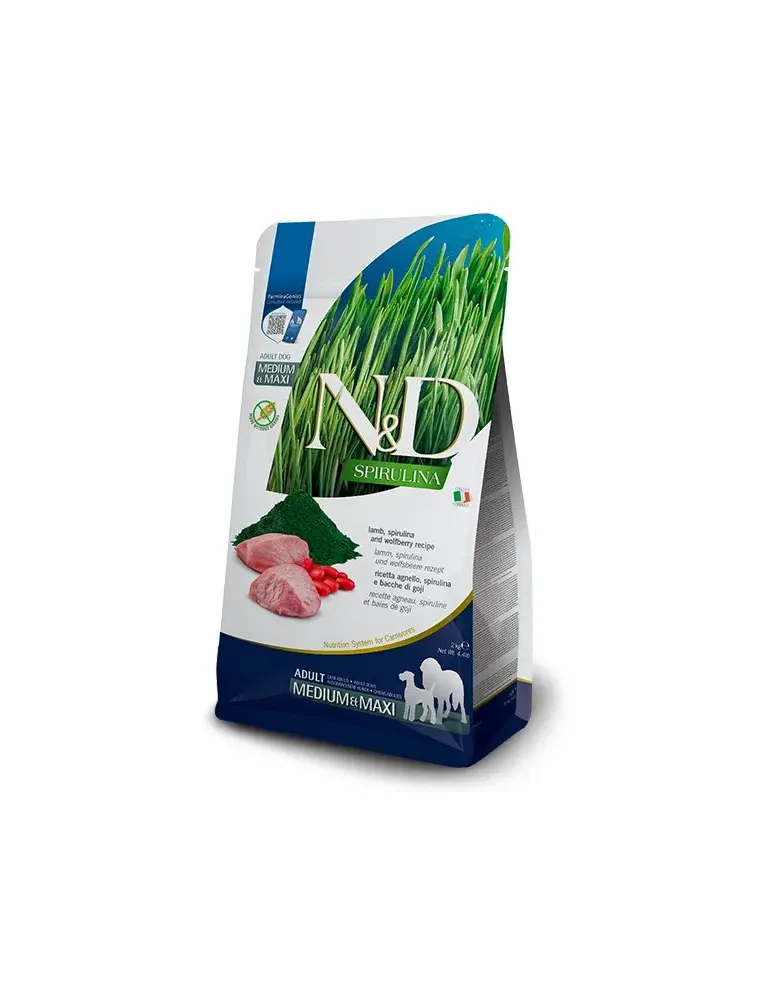
Spirulina, known scientifically as Arthrospira platensis, is a single-celled blue algae that is distinguished by its spiral shape and dark green color. This microalgae is mainly grown in brackish waters of tropical and subtropical regions, where it finds an ideal environment thanks to the alkaline pH of the water. Spirulina is appreciated for its high content of proteins, vitamins, minerals and antioxidants, which make it a food supplement of great nutritional value.
The composition of spirulina is remarkably rich: in addition to proteins, which constitute approximately 60-70% of its dry weight, it contains a wide range of essential amino acids, polyunsaturated fatty acids such as omega-6 and gamma linolenic acid, vitamins including tocopherol and several of group B, and minerals, with the exception of iodine. The presence of chlorophyll and carotenoids gives it powerful antioxidant properties, useful for counteracting the damage caused by free radicals to the body.
Spirulina supplements are very popular among athletes and those looking for natural nutritional support. These supplements come in different forms, such as tablets and powders, and are used to promote overall health, support the immune system, aid in weight loss, and improve blood cholesterol levels.
Benefits and Properties
Spirulina has been studied for its many health benefits. Among these, its ability to act as an antioxidant, support for the immune system and potential reduction of blood pressure stand out. Furthermore, thanks to its high protein content and the presence of vitamins and minerals, spirulina is considered an excellent supplement for those following vegetarian or vegan diets, or for anyone who wishes to increase the intake of essential nutrients in their diet.
Despite the numerous studies attesting to its benefits, it is important to underline that scientific research is still ongoing and that some effects attributed to spirulina require further confirmation through more in-depth and rigorous studies.
Contraindications and Precautions
Although spirulina is generally considered safe for human consumption, there are some contraindications to consider. It is not recommended to take it in case of pathologies such as gout, autoimmune diseases, kidney stones, and during pregnancy, breastfeeding and in the presence of phenylketonuria. Furthermore, it is essential to ensure that the spirulina purchased is not contaminated with toxic substances such as microcystins or anatoxins and that it is free of heavy metals, to avoid health risks.
Before starting a spirulina supplement, it is advisable to consult a doctor, especially if you suffer from pre-existing medical conditions or take medications regularly.
Hiring Method
Spirulina supplements can be taken in several forms, including tablets, capsules, and powders. The method of administration may vary based on the type of product and the manufacturer's instructions. In general, it is recommended to follow the doses suggested on the and to integrate the intake of spirulina with a balanced diet and a healthy lifestyle.
Spirulina can also be added to smoothies, juices or other foods to enrich their nutritional value. Its particular flavour, reminiscent of fish, can be masked when mixed with other ingredients.
Target Species
Spirulina is intended for human consumption and is aimed at a wide range of consumers, including athletes, people following vegetarian or vegan diets, and anyone interested in improving their nutritional intake through natural sources. It is important to note that spirulina is not a substitute for a varied and balanced diet, but it can be a valid complement to enrich the intake of essential nutrients.